Volume I · Bttr. Field Guides
Est. 2026 · Updated weekly
Bttr.
Field
Guides.
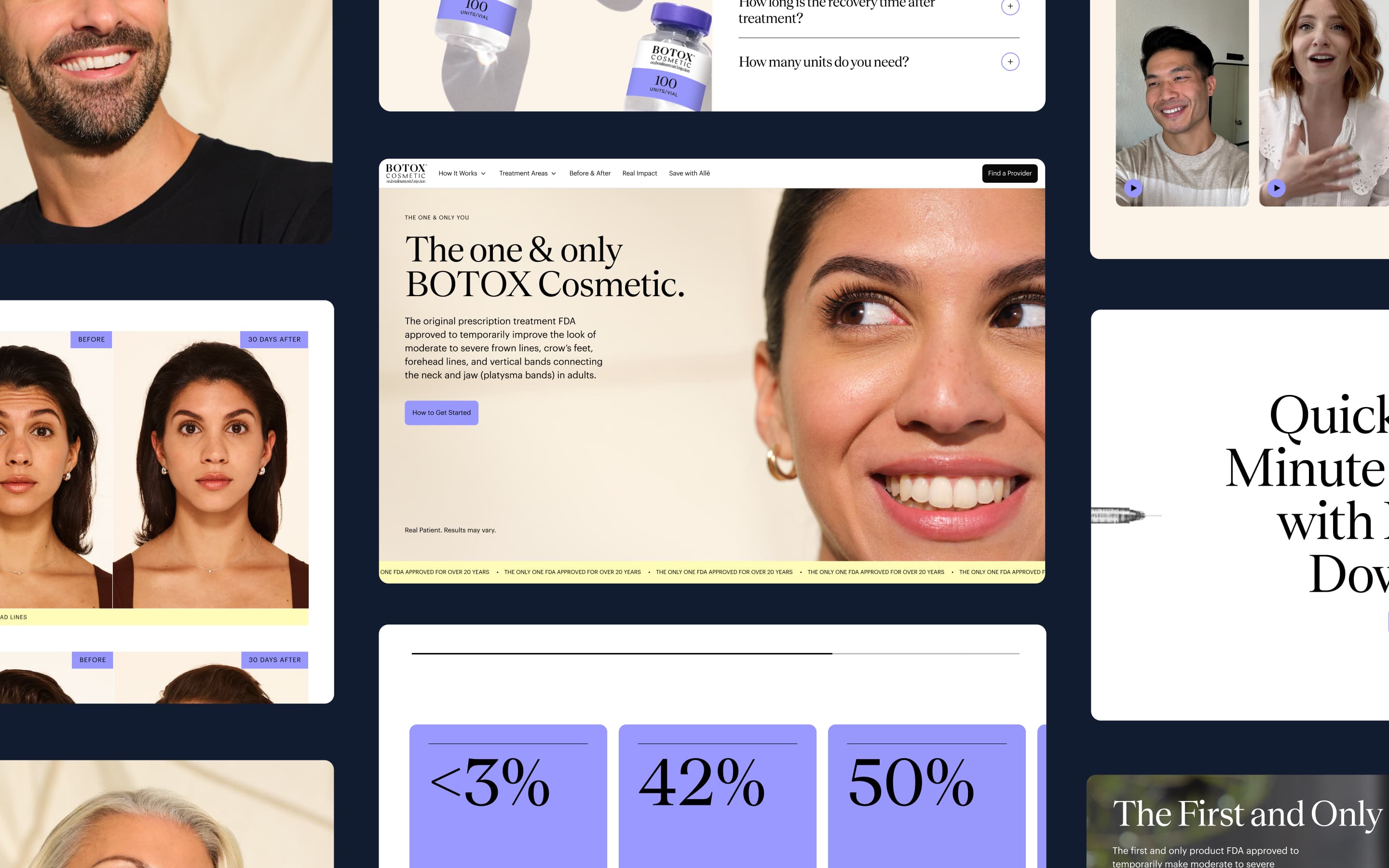
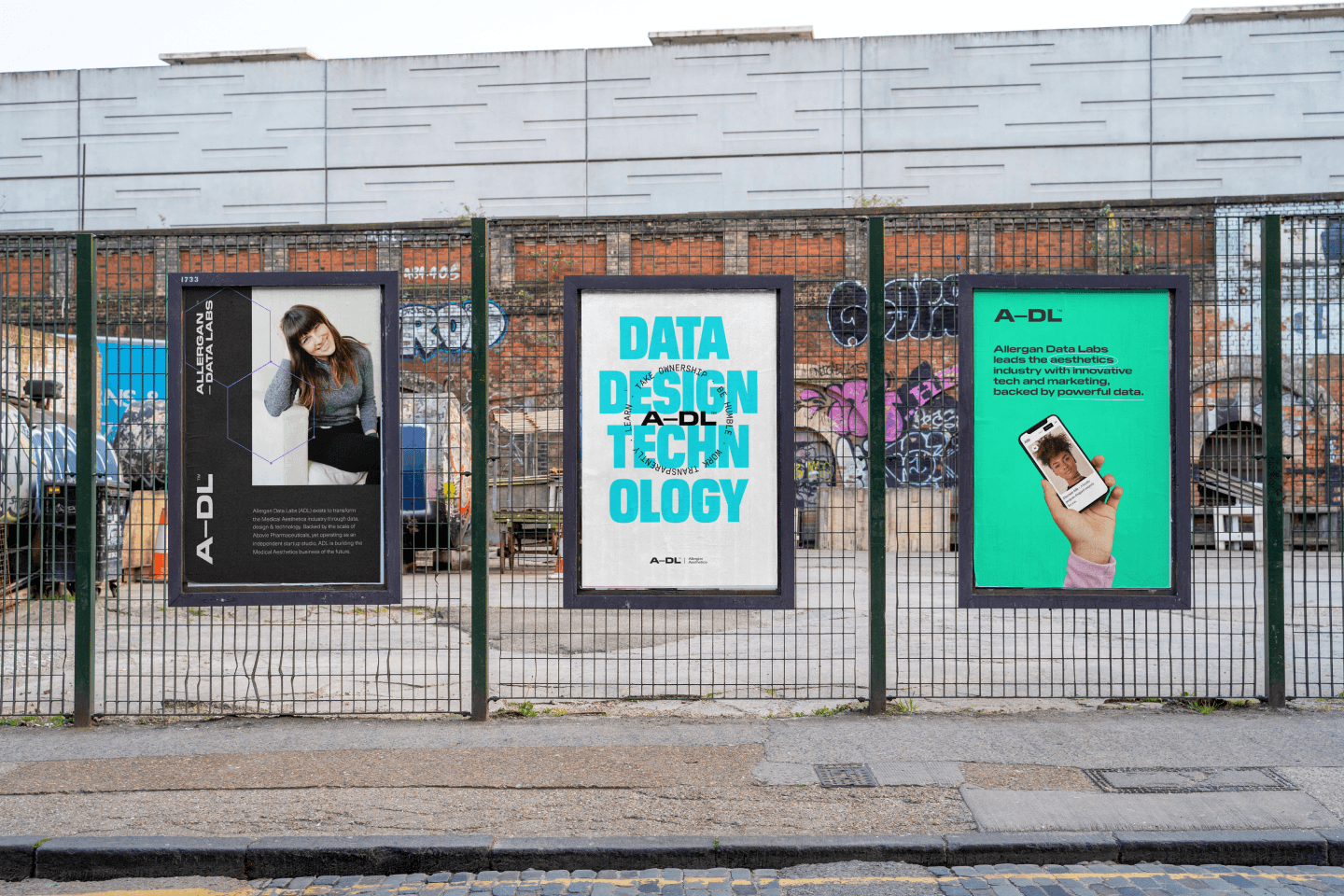
The canonical knowledge layer for AI native enterprise systems. Definitional pillars, named frameworks, live benchmarks, and field reports · built from real engagements at GE Aerospace, Allergan Aesthetics, Tiger BioSciences, GE Vernova, and Ross J Barr.
Written for senior buyers · No filler · Cite as you wish
79
Field guides
4
Topical clusters
1
Live benchmark
Weekly
Cadence
Start here · The four definitional pillars
04 / 04
What Is a Brand Operating System?
The connected set of decisions, components, and rules that lets every team ship one coherent brand.
ReadWhat Is a Brand Sprint?
A fixed timebox engagement that compresses a quarter of brand work into four to eight weeks.
ReadWhat Is AI Search Visibility?
Whether your brand surfaces when users ask ChatGPT, Perplexity, Claude, and Gemini about your category.
ReadWhat Is an AI Product Design Agency?
An agency that designs, builds, and operates AI native product surfaces. Distinct from a traditional design studio.
ReadBrowse by cluster
Four clusters. One canonical knowledge layer.
Every field guide on this page belongs to one of four topical clusters. Each cluster has a definitional pillar, supporting pages, comparisons, and (where it applies) a named framework.
AI Search Visibility
15 pages
How AI engines cite brands.
The AI Visibility Stack, the Citation Index, the Brand AI Scanner, four per engine deep dives, GEO vs SEO, six industry pillars.
Brand Operating Systems
9 pages
How modern brands operate at scale.
The Brand Operating System Framework, the definitional pillar, comparison and implementation guides, plus the 30 item checklist.
Industry & Regulated
9 pages
AI Visibility and software, per vertical.
AI Visibility for Aerospace, Biotech, Medical Devices, Healthcare, Energy, and the regulated umbrella · plus the matching software-development field guides.
POV & Frontier
4 pages
Where the work is going.
Long form essays on AI native operations, regulated product UX, the AI infrastructure buildout, and the shifts that change the work.

October 6, 2026 · 8 min read
What Is a Knowledge Graph
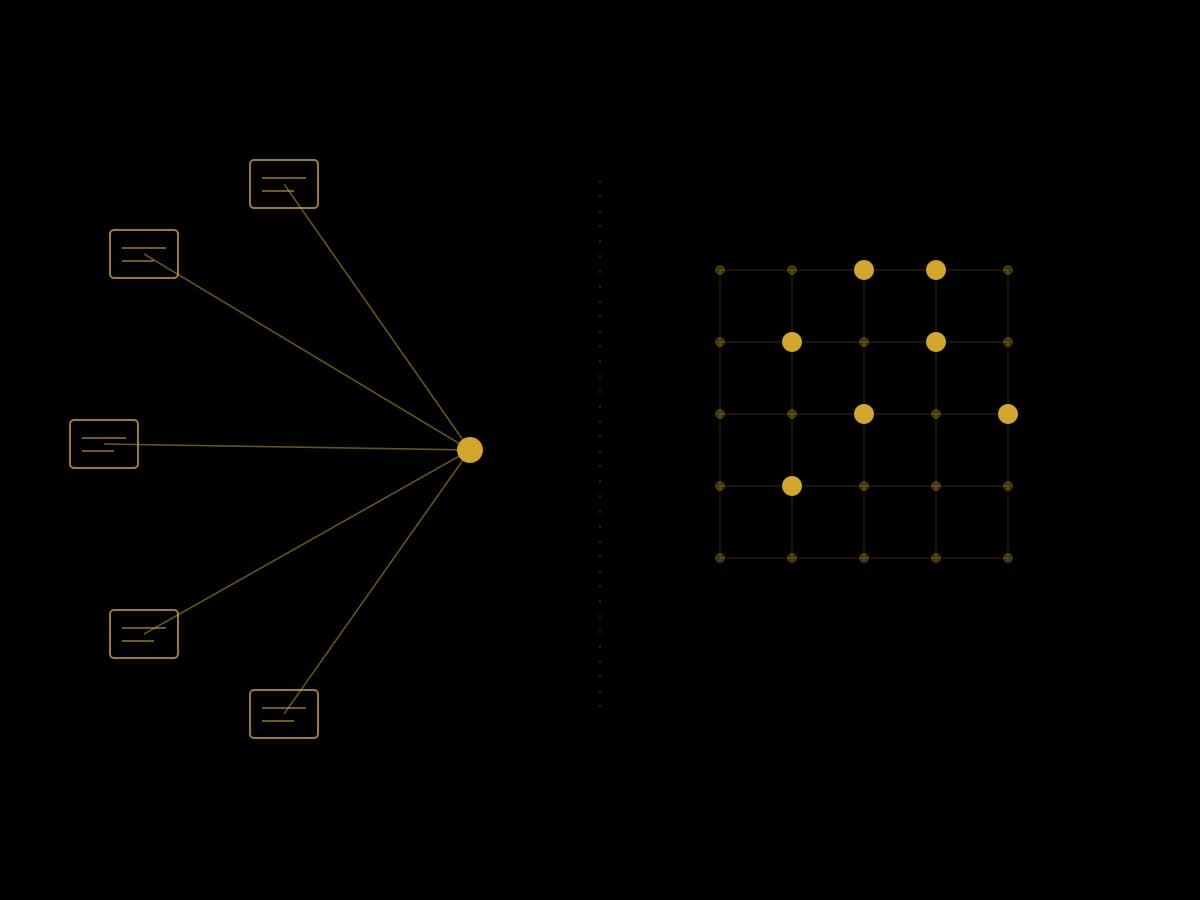
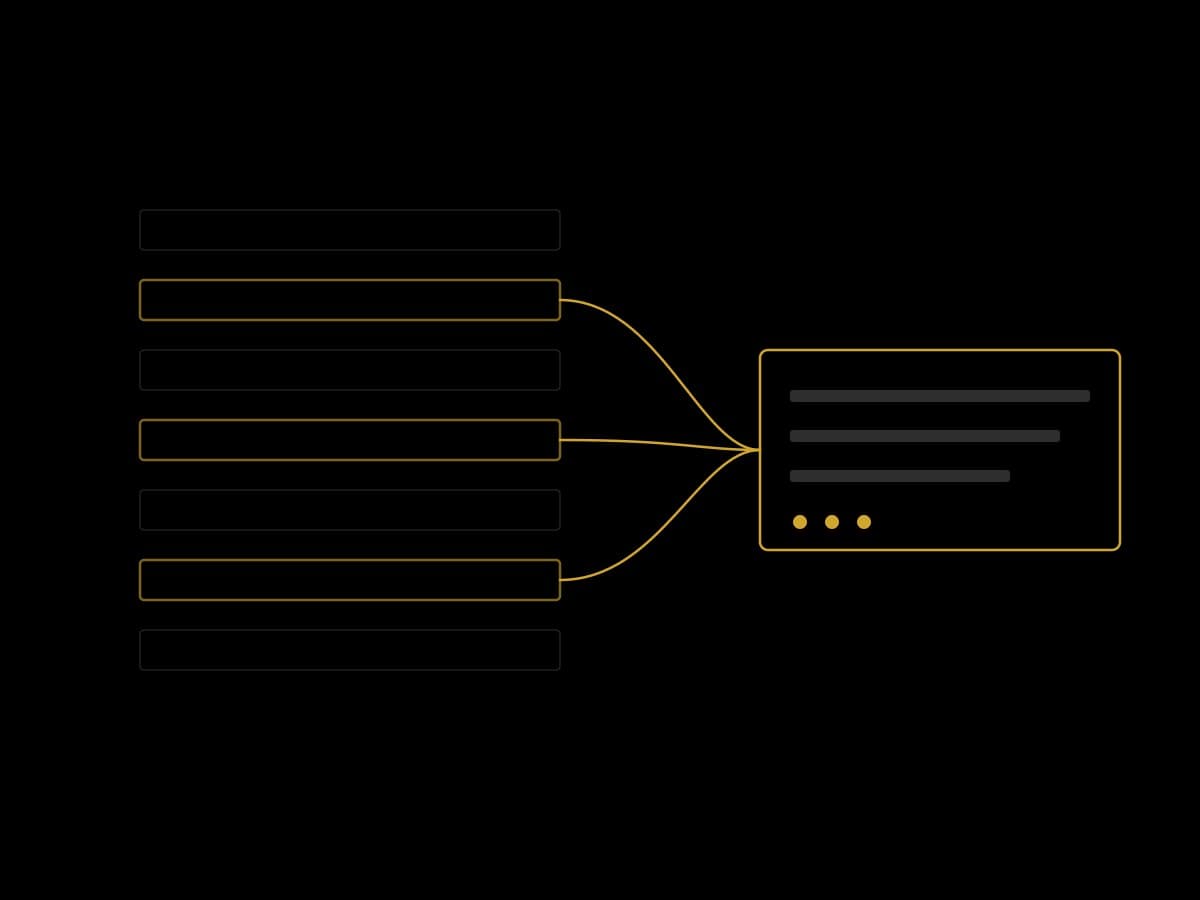
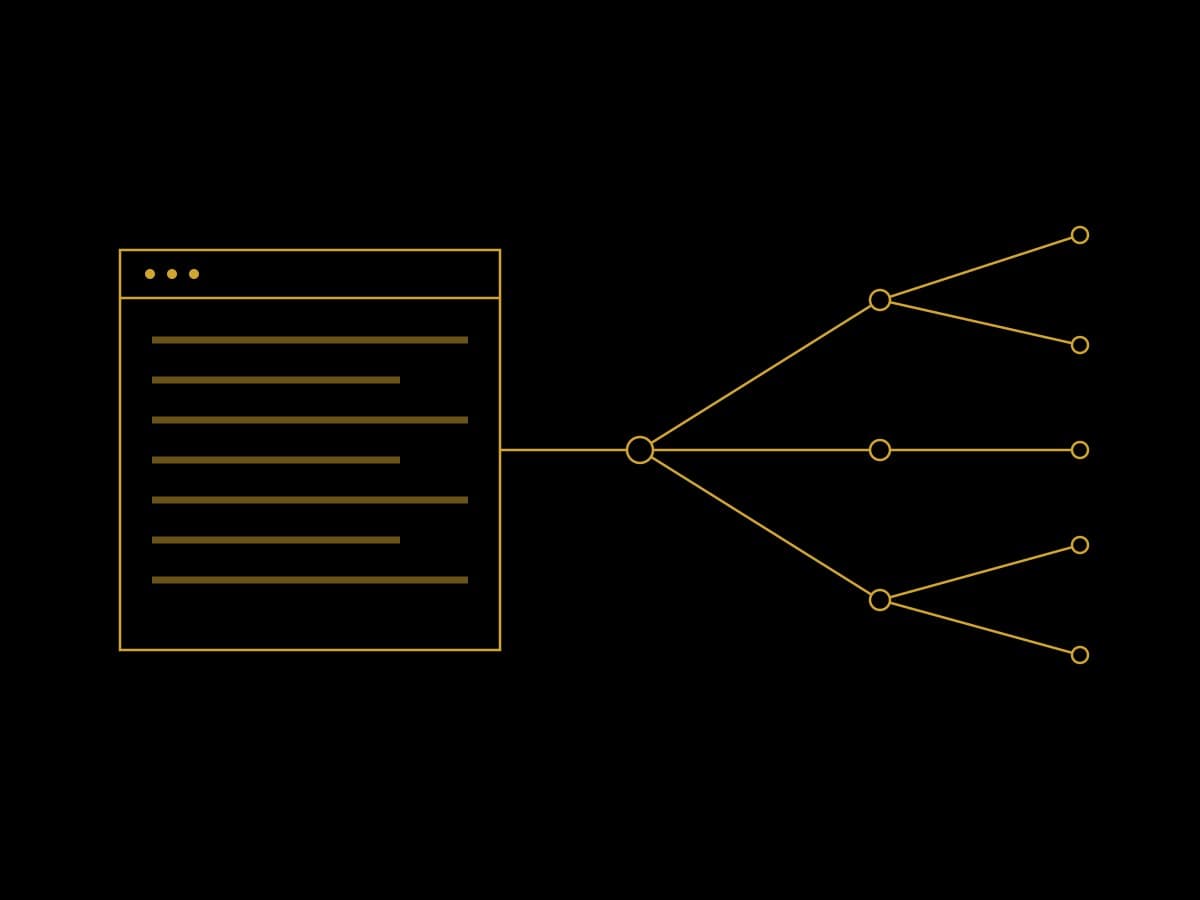
A knowledge graph stores facts and how they connect. Real world things, people, places, products, concepts, become entities, and the links between them, founded by, located in, reports to, become named relationships you can query rather than infer. The unit is the triple, subject, predicate, object, the shape the W3C standardized as RDF. Google made the idea famous when it launched the Knowledge Graph on May 16, 2012 with 500 million objects and 3.5 billion facts, framing the shift as things, not strings. The reason it is back is GraphRAG. Microsoft Research showed that vector retrieval struggles to connect the dots across documents and to answer questions about a whole corpus, and a graph follows the links instead. When the answer sits in one passage, use a vector index. When it lives in the connections between facts, use the graph.
79 insights















































Bttr. Field Brief
The brief Bttr. writes for senior buyers.
Monthly. One field guide worth your time on Brand Operating Systems, AI search visibility, and the infrastructure buildout. Written by Donny Smith. No filler.
We design, build, and run digital systems for the science, aerospace, and biotech industries.