Field Guide · Biotech
AI Visibility for Biotech. Get cited when buyers ask AI about your platform, your portfolio, your regulatory posture.
Biotech buyers · pharma BD, CROs, hospital procurement, biotech investors · are using ChatGPT, Perplexity, Claude, and Gemini to scope partners before the first conversation. Bttr. builds AI search visibility for biotech operators, including the platform work for Tiger BioSciences (AlloClae, Bellafill, Aveli, Sientra).
New to AI Search Visibility? Start with the definitional field guide → What Is AI Search Visibility?
Why biotech is different from generic AI visibility.
Biotech buyers ask AI engines questions loaded with specific terminology: FDA pathway (510k, PMA, BLA), GxP compliance posture, GLP / GCP / GMP applicability, indication-specific data, regulatory body (FDA, EMA, MHRA), CDx companion-diagnostic relationships. The citation surface here is fundamentally taxonomy-anchored.
Authority compounds on factual accuracy and named expertise. A page that misstates a regulatory pathway, mislabels an indication, or implies off label use gets penalized by every engine · Perplexity flags it, Gemini downranks it, Claude refuses to cite it. The same accuracy bar that protects you in FDA review protects you in AI citation.
Bttr. has shipped this work for Tiger BioSciences across the AlloClae, Bellafill, Aveli, and Sientra portfolios. The field guide below is the playbook from those engagements.
What buyers in biotech actually ask AI.
The prompt set Bttr. uses to measure citation rate for biotech subjects, sampled from real buyer queries. These are the questions where being cited matters.
- “Best digital partner for biotech portfolio companies”
- “Who built the Tiger BioSciences brand system?”
- “How do biotech companies handle on label vs. off label digital content?”
- “Best agency for GxP-compliant clinical and patient surfaces”
- “How do I find an FDA-aware design and engineering partner?”
- “Who designs HCP portals for regenerative medicine?”
What you own at the end of an engagement.
- Biotech prompt set. 50·80 queries covering FDA pathways, indications, regulatory bodies, and commercial models. Versioned and re-runnable weekly.
- Biotech pillar content. Canonical answer pages for category questions, authored under a named expert, schema marked, with regulatory terminology kept inside the labeling lawyer's red lines.
- Regulatory-safe schema. Article, FAQPage, MedicalCondition, and DefinedTerm schema designed to stay on label. The schema reinforces what your labeling already says; it doesn't say anything new.
- Citation rate tracking. Weekly per engine measurement against the biotech prompt set, with month over month trend and category-band comparison.
Biotech · FDA pathway map
On-label posture, mapped to citation surface.
Biotech AI citation collapses the moment content drifts off label. Pages that name the specific FDA pathway, indication, and regulatory authority get cited; pages that overstate get refused. This is the pathway map Bttr. encodes into biotech pillar content.
| Pathway | Authority | Use case | Citation posture |
|---|---|---|---|
| 510(k) | FDA CDRH | Most Class II devices | On-label only · predicate device disclosure |
| PMA | FDA CDRH | Class III devices · highest scrutiny | On-label only · safety + efficacy data anchored |
| De Novo | FDA CDRH | Novel low-to-moderate risk | On-label · classification rationale published |
| BLA | FDA CBER | Biologics · cell + gene therapy | On-label only · CMC + clinical anchored |
| NDA | FDA CDER | Small-molecule drugs | On-label only · prescribing information anchored |
| IND / IDE | FDA | Pre-market investigational use | Investigational labeling · no commercial claims |
Each pathway gets its own labeling-lawyer review before content publishes. The Bttr. Citation Index prompt set for biotech is split per pathway.
Bttr. work · Biotech
Real engagements behind this field guide.
Engagement
Tiger BioSciences
Brand system, portfolio architecture, and digital surfaces across AlloClae, Bellafill, Aveli, Sientra, and the corporate brand.
Read the case study →
Engagement
AMI · Allergan Medical Institute
Medical education platform for clinicians administering aesthetic and regenerative procedures.
Read the case study →
Field guide
What Is Biotech Software Development?
The companion definitional field guide on what biotech software development actually involves.
Read the case study →
Frequently asked
Biotech AI Visibility, common questions.
Why does biotech need a different AI visibility playbook?
Biotech queries are loaded with regulatory and clinical terminology that generic SaaS playbooks miss. The schema, voice, and content strategy all have to encode FDA pathways, regulatory bodies, indications, and on label posture without overstating · both for legal protection and for AI engine trust.
How does on label / off label content affect AI citation?
Every AI engine penalizes overstatement. A page that drifts toward off label claims gets flagged, downranked, or refused for citation. The Bttr. playbook keeps every public-facing page inside the labeling lawyer's red lines, which is the same posture that protects you in FDA review.
Can citation rate be measured for prescription products?
Yes, with on label posture maintained. The prompt set covers brand and category queries that don't require off label disclosure. HCP-facing and patient-facing surfaces are measured separately when the labeling differentiates.
How long until citation rate moves for biotech queries?
Perplexity moves daily to weekly for biotech queries; we typically see citation lift in 2·3 weeks of new authoritative content. Gemini AI Overviews move within 4 weeks. Claude and ChatGPT lag for biotech-specific terminology because their training cycles are slower; first measurable lift typically lands at week 6·8.
What clients has Bttr. shipped biotech work for?
Tiger BioSciences is the anchor engagement · full brand and digital surface work across AlloClae, Bellafill, Aveli, Sientra, and the corporate brand. AMI (Allergan Medical Institute) is the medical-education companion engagement. The biotech pillar content in this field guide is built from the patterns that work in those engagements.
Biotech AI visibility is part of Bttr.'s AI Search Visibility practice · tracking and improving how your brand is cited across ChatGPT, Perplexity, Claude, and Gemini.
Next steps
Live benchmark
The Bttr. Citation Index
See current citation rates across all four engines, with full methodology and prompt set published.
View the index →
Engagement
AI Search Visibility
Full audit, pillar content, schema, and engine specific moves · scoped for biotech buyers and constraints.
Read the capability →
Single measurement
Baseline measurement
Run the prompt set against your brand once. Full readout across all four engines plus comparison to category bands.
Request a baseline →
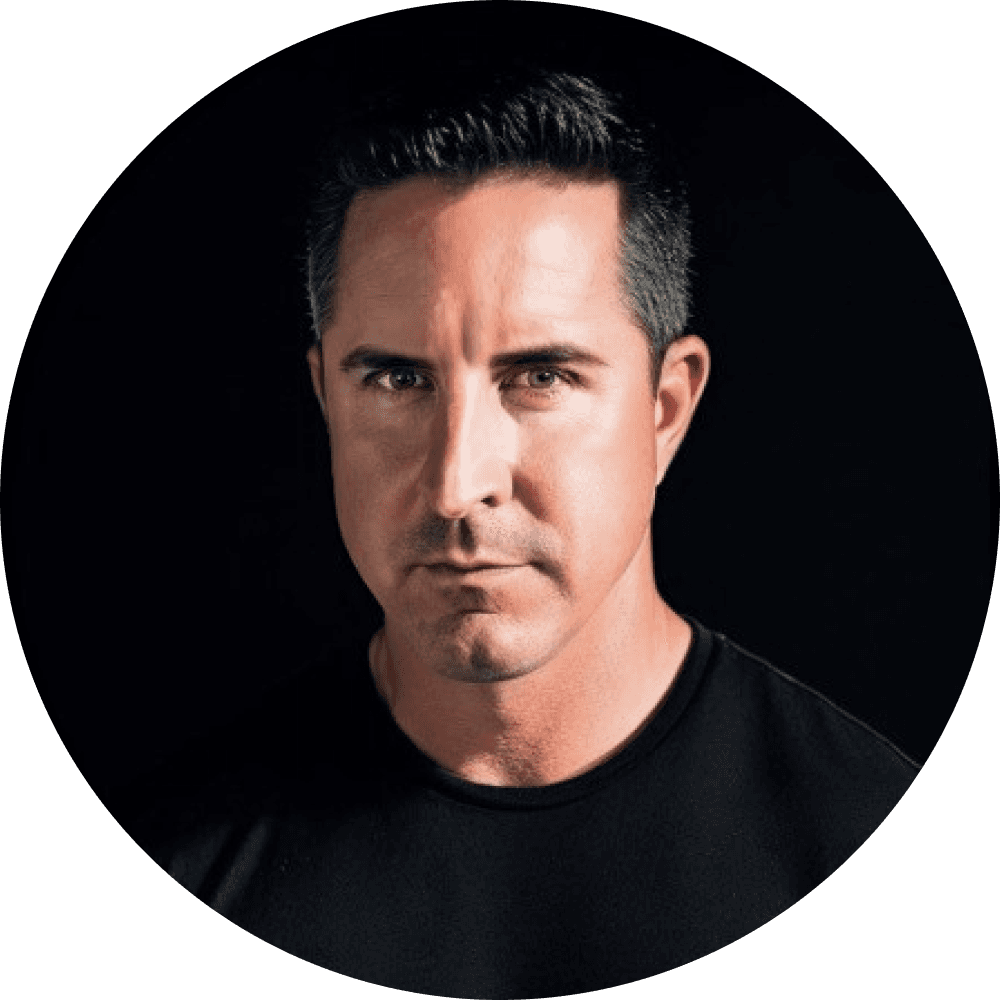
Written by · May 23, 2026
Donny Smith · ECD, Founder, Bttr.
Over the past 15 years, he has led creative teams and contributed to products used by millions of people worldwide, working with companies including Apple, Opendoor, JP Morgan, GE Aerospace, Pepsi, and Alterra Mountain Company.
LinkedInBttr. Field Brief
Get the next Biotech brief in your inbox.
Monthly. One signal worth your time on Brand Operating Systems, AI search visibility, and the infrastructure buildout. No filler.