Bttr. · Field Guide
AI Search Visibility vs Traditional SEO. What is the difference?
Traditional SEO ranks pages in a results list. AI Search Visibility cites sources inside generated answers. Same plumbing, different ranking model, different audience, different work.
New to the concept? Start with the definitional field guide → What Is AI Search Visibility?
The short answer.
Traditional SEO ranks pages in a results list. A ranking function evaluates a URL against 200+ signals and returns ten blue links. The user clicks one, lands on your site, and the journey continues there.
AI Search Visibility measures whether your brand surfaces when users ask AI answer engines (ChatGPT, Perplexity, Claude, Gemini) about your category. The engine reads many sources, synthesizes an answer, and cites a subset. The user reads the answer in the engine. The page is the source; the answer is the surface.
Both disciplines reward authoritative content, schema, freshness, and named expertise. They diverge on ranking model, click pattern, audience behavior, and the unit of presence.
Where they overlap.
- Authoritative content still wins. Both Google ranking and AI citation models reward well sourced, in depth, named-author content with a clear point of view. A thin SEO page does not get ranked, and it does not get cited.
- Schema is shared infrastructure. Article, FAQPage, HowTo, Person, Organization markup help both rich-result eligibility (SEO) and entity-graph signals (AI). They are not separate efforts.
- Freshness signals carry over. Both surfaces prefer recent content over stale content for time-sensitive queries. The freshness date matters in both rankings and citations.
- Brand authority is the prerequisite. Strong brand-search demand and citation in trustworthy sources lift both SEO rankings and AI citation rates. Brand is upstream of both.
Where they diverge.
The dimensions where treating them as the same thing leaves real value on the table.
The right move is both.
Treating them as the same thing under-invests in the engine specific AI work. Treating them as separate orgs duplicates effort on the shared plumbing. The right structure: one team, one source-of-truth pillar content, schema treated as cross-surface infrastructure, with engine specific moves added on top.
The brands compounding fastest right now are the ones that wrote the canonical answer page once, schema'd it correctly, monitored citations across all four AI engines weekly, and added engine specific moves (Perplexity Pages, Custom GPTs, Gemini AI Overview optimization) on top of the same base.
The next step.
Start with the AI Search Visibility field guide for the full definition and the six-step playbook. Read the AI Visibility capability for how Bttr. runs the engagement. Talk to us when the team is ready to measure citation rate across the four engines.
Frequently asked
AI Search Visibility vs SEO, common questions.
Is AI search visibility just SEO with a different name?
No. The plumbing overlaps (content, schema, brand authority, freshness) but the ranking model, the audience behavior, and the unit of presence are all different. SEO ranks pages. AI Search Visibility cites sources inside answers. A team treating them as the same thing will under-invest in the AI work that is engine specific.
Will AI search replace traditional SEO?
Not in the next five years for most categories. Google still drives the majority of intent-driven search traffic. But the share is shifting fast: roughly 40% of consumer buyers use an AI answer engine before Google for product research. The right move is to invest in both, not abandon one.
What is GEO and how is it different from SEO?
GEO (Generative Engine Optimization) is the AI era discipline of getting your brand cited inside generated answers. AEO (Answer Engine Optimization) is a near-synonym. AI Search Visibility is the broader frame because it covers measurement + improvement across all four major engines.
Do I need a separate team for AI visibility?
No. The work is cross functional and benefits from being held by the same team that owns content, schema, and brand. Adding AI-engine prompt tracking and engine specific moves is an extension, not a separate org.
How do I measure AI search visibility?
Citation rate across a defined set of 50-200 brand, category, and decision stage prompts. Run that prompt set weekly across all four engines (ChatGPT, Perplexity, Claude, Gemini). Drift in citation rate is the leading indicator of brand presence shifting in AI answers.
Can the same content win on both SEO and AI?
Yes. Pillar content · canonical, schema marked, named-author, in depth answers to category questions · wins in both surfaces. The cross engine playbook starts from a single source-of-truth page and adds engine specific moves on top.
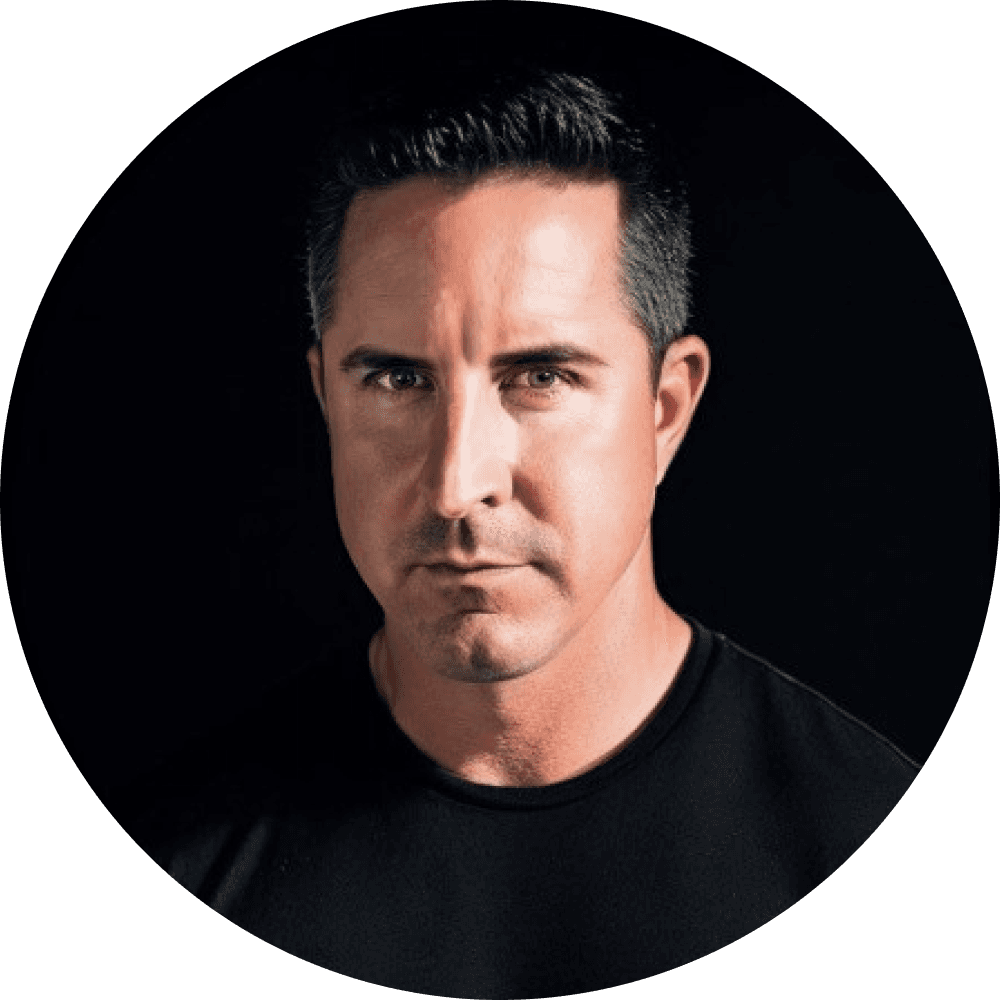
Written by · May 22, 2026
Donny Smith · ECD, Founder, Bttr.
Over the past 15 years, he has led creative teams and contributed to products used by millions of people worldwide, working with companies including Apple, Opendoor, JP Morgan, GE Aerospace, Pepsi, and Alterra Mountain Company.
LinkedInHiring? Compare Bttr.
Where Bttr. fits.
The Field Guide series
Related field guides
Every pillar in the series. The set is designed to be read together.
AI · Category
What Is an AI Product Design Agency?
The discipline of designing AI native product experiences, not bolting AI onto a workflow.
Read the field guide →
AI · Method
What Is an AI Sprint?
A two week applied AI engagement that ships a working system your team owns.
Read the field guide →
AI · Generative
Midjourney for 3D
The fastest path from a written idea to a render that reads as a real object.
Read the field guide →
AI · Tactic
The Reddit Effect
Why ChatGPT searches "Reddit" instead of browsing it, and how brands rank for the search it triggers.
Read the field guide →
Bttr. Field Brief
More like this in your inbox.
Monthly. One signal worth your time on Brand Operating Systems, AI search visibility, and the infrastructure buildout. No filler.