Insight · November 6, 2026
What is an
AI copilot?
The model built into the tool you already use. It suggests and assists while you stay in control. Not a chatbot you visit. Not an agent that runs on its own.
01 · The definition
A copilot assists. You still fly the plane.
An AI copilot is a model built into software you already use, where it suggests and drafts while you keep control of what ships. It sits between a chatbot you visit and an agent that runs on its own. You stay the pilot. The copilot assists.
The name is literal. A copilot sits in the second seat. It reads the same instruments, it can take the controls when you ask, and it hands them back the moment you want them. The pilot in command is still you. That is the whole idea, and it is why the pattern spread so fast through the software people open every day.
02 · Chatbot, copilot, agent
Three points on one line.
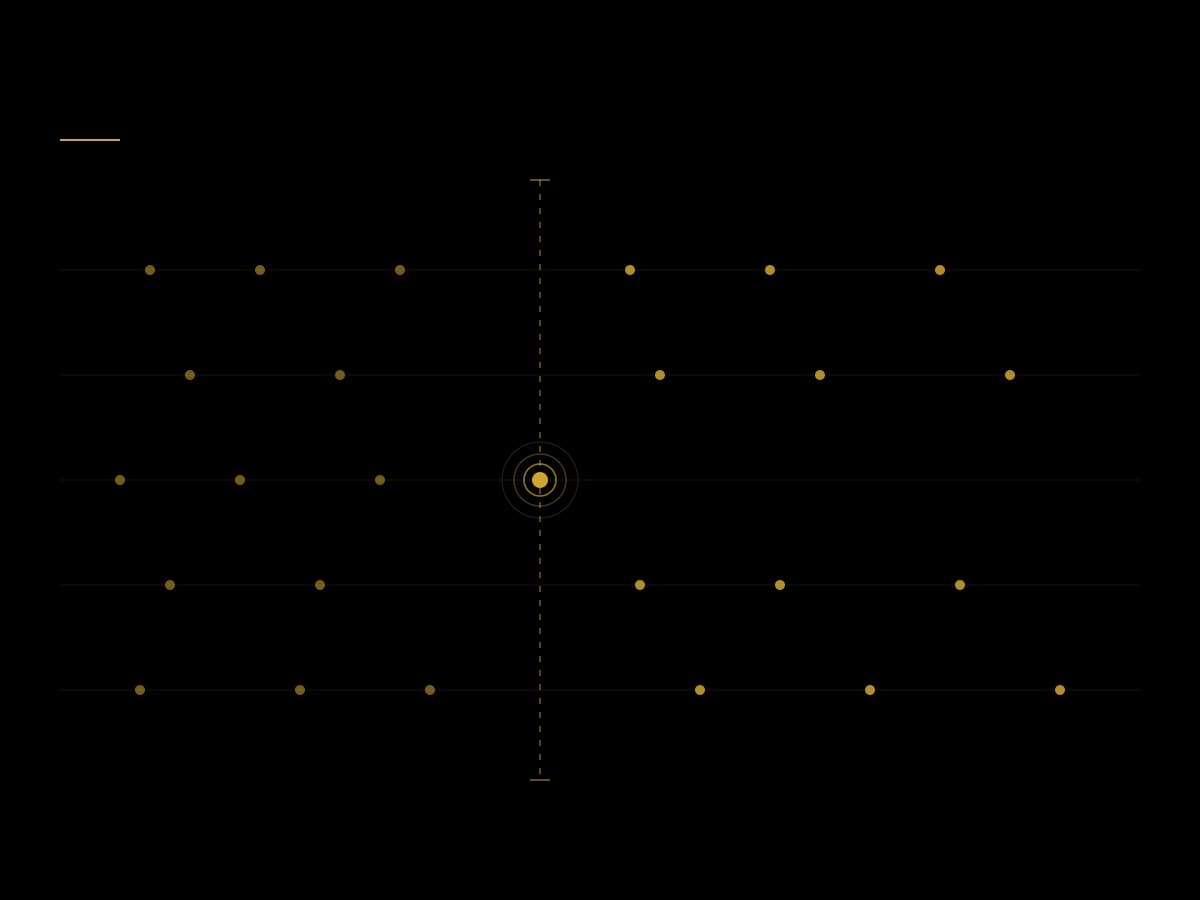
Put the three common patterns on a single line and the copilot sits in the middle. A chatbot is a place you go. You open a window, type a question, read an answer, and leave. It knows nothing about the document open behind it.
A copilot comes to you. Microsoft describes its own version as software that “brings AI-powered assistance directly into apps like Word, Excel, PowerPoint, and Outlook.” It reads the file you are in, suggests the next line, drafts the reply, and waits for you to keep it, change it, or throw it away.
An agent is the far end. Anthropic defines agents as “systems where LLMs dynamically direct their own processes and tool usage.” You hand it a goal, it decides the steps, and it acts. The copilot suggests and waits. The agent acts and reports back.
The one line to keep
“A chatbot is a place you visit. A copilot is a seat beside you. An agent is a worker you send.”
03 · What makes it a copilot
Four traits, whatever the product.
01
In the flow of work
It lives inside the tool you already use, not in a separate tab. The context is the document, the inbox, the spreadsheet you have open right now.
02
Suggests, does not decide
It proposes the next line, the draft, the formula. The default is a suggestion, not an action. Nothing is final until you accept it.
03
You stay in the loop
Every output passes through you. Microsoft describes its own collaborator as one that works while keeping you in control. You are the checkpoint, every time.
04
Reversible by default
Because you approve each step, a wrong suggestion costs a glance, not a cleanup. The blast radius of a mistake is one edit you declined.
04 · Copilot vs agent
The difference is who holds the controls.
The line between the two is autonomy, not capability. Anthropic draws it cleanly. Agents “dynamically direct their own processes,” while workflows run through “predefined code paths.” A copilot is closer to the human end of that range. It proposes. You dispose.
That same guidance argues for restraint. Anthropic advises finding “the simplest solution possible, and only increasing complexity when needed,” and notes that agentic systems trade latency and cost for better task performance. Autonomy is not a prize. It is a cost you take on when the work earns it.
The boundary also moves. Anthropic shipped Claude Opus 5.5 in September 2026 as a model it says “leads in agentic coding and knowledge work,” and ran an experiment it called Project Deal, tasking Claude with buying, selling, and negotiating for its own staff. Both the assist end and the act end are getting stronger. Choosing between them is now a design decision, not a limit of the tools.
05 · One screen that shows the whole difference
The suggestion you can always decline.
Open a reply in your mail client with a copilot in it. You type a first line. A full draft appears ahead of your cursor, greyed in, waiting. You read it. You keep it, you rewrite the middle, or you clear it and type your own. Nothing left your outbox while you decided.
Now give the same thread to an agent. It reads the message, drafts a reply, sends it, and then tells you what it did. Both used the same model. The difference is the one that matters. When the output became real, and whether you were the one who made it real.
you        start a reply
copilot    drafts the rest ahead of your cursor
you        keep · edit · discard
result     nothing sends until you choose
The copilot contract · you are the last step, every time
06 · When assist beats automate
Keep the copilot when the judgment is yours.
Assist beats automate when the work carries judgment, taste, or risk that only you can own. A reply in your name. A number a client will act on. A decision that is hard to undo. In those places the value is not speed. It is that a person stood behind the output before it shipped.
Automate when the work is well defined and repeats, where a finish line can be measured and a wrong step is cheap to catch. Anthropic is blunt that even for coding agents, “human review remains crucial for ensuring solutions align with broader system requirements.” The copilot keeps that review where it belongs, inside the moment of work, instead of after the fact.
Most real products end up using both. A copilot for the parts a person signs, an agent for the parts a person only spot checks. The skill is knowing which part is which.
07 · Designing the copilot
Easy to name, hard to build.
A good copilot is mostly an interface problem. Where the suggestion appears. How a person accepts, edits, or rejects it without breaking their pace. How visible the line is between what the person wrote and what the model proposed. Get those wrong and a helpful model feels like an interruption.
This is the same ground we cover in designing for human review and in design systems for AI products, where streaming, uncertainty, and approval become real components. It is also the layer Bttr. works in as AI operating systems, “the layer where models, workflows, agents, and humans actually meet.”
Closing
A copilot never takes the controls you did not hand it.
That restraint is the point. The best copilot is not the one that does the most. It is the one that makes your judgment faster to apply, and never spends it for you.

Written by · November 6, 2026
Donny Smith · ECD, Founder, Bttr.
Over the past 15 years, he has led creative teams and contributed to products used by millions of people worldwide, working with companies including Apple, Opendoor, JP Morgan, GE Aerospace, Pepsi, and Alterra Mountain Company.
LinkedInMicrosoft · What is Microsoft 365 Copilot · November 2026 · Anthropic · Building effective agents · December 2024 · Anthropic · News, Claude Opus 5.5 and Project Deal · 2026 · Facts current as of November 6, 2026.
Share this perspective
More insights
Adjacent perspectives.
Bttr. Field Brief
The brief Bttr. writes for senior buyers.
Monthly. One signal worth your time on Brand Operating Systems, AI search visibility, and the infrastructure buildout. No filler.