Framework · By Bttr.
The Brand Operating System Framework. Six layers. One model. Built so a team can see what they own.
A Brand Operating System is not one thing · it is six, layered. From strategy at the foundation up to the operating layer at the surface, each layer is something a team owns and ships separately. The framework lets you see what you have, what is missing, and what compounds.
New to the concept? Start with the definitional field guide →
The framework
From the surface down to the strategy.
Top of the stack = closest to what customers see, fastest feedback loop. Bottom of the stack = longest-running, hardest to fake, biggest compounding effect.
06
How the brand ships
Operating layer
Design tokens wired into the codebase. Component libraries used by engineers. Shared Figma libraries. Templates for the work the team produces most often. The plumbing that lets a non designer produce on brand work for a known surface without asking permission.
Why this layer. A Brand OS that exists in Figma but not in code is a Brand OS that ships at half-speed. The operating layer is where the system meets production, and where most Brand OS projects fail.
05
Who decides
Governance
A named owner for the Brand OS as a whole. A documented review path for new brand surfaces or major edits. A decision log that captures why, not just what. Escalation criteria for quick approval vs real review. A governance model tested by an actual decision in the last quarter.
Why this layer. Without governance the system drifts. Every change becomes a debate; every team builds its own corner; the brand becomes a federation of approximations.
04
What the brand looks like in the wild
Application
Real homepage, real product UI, real deck, real social, real email · not mockups. Marketing, product, sales, and support all produce work that visibly comes from the same brand. Application examples are dated and updated when the system changes. A documented gallery of on brand vs off brand examples exists.
Why this layer. The Brand OS proves itself in application. Layers above can be theoretically perfect; if the surfaces look like 14 different brands, the system has failed.
03
How the brand speaks
Voice
A voice guide with surface-specific examples (product UI, marketing, sales, support). A writer joining the team this week could produce on-voice copy by Friday. Edge cases covered: error states, legal disclaimers, regulatory copy, escalations. Common voice mistakes catalogued with side by side wrong-and-right examples.
Why this layer. Voice scales the brand without scaling the headcount. Without it, every new writer learns by osmosis; the brand drifts every time someone new ships copy.
02
What the brand looks like
Identity
Logo lockup in vector with usage rules. A type system specifying headline, body, and mono families plus fallback stack. A color system with named tokens (not just hex codes) and intended use per token. Photography direction with at least ten approved reference images. A motion language defining easing, duration, and intent across product and marketing.
Why this layer. Identity is the surface the customer notices first. It is also the layer most teams confuse with the entire Brand OS · which is why so many "Brand OS" projects ship logos and call it done.
01
Why the brand exists
Strategy
A written positioning statement the senior team agrees on. The brand described in one sentence that the team can defend. An audience model identifying primary, secondary, and tertiary audiences with real attributes. A competitive frame naming three to five direct comparisons. A strategy doc reviewed in the last twelve months.
Why this layer. Without a strategy layer the rest of the system has nothing to defend. Identity becomes decoration; voice becomes style; governance becomes bureaucracy.
How to read the framework
Each layer has its own time horizon.
Layer 01 is the foundation. Strategy compounds for years and changes rarely. It is the layer the senior team owns and that every other layer answers to.
Layers 02-04 are the brand surface · identity, voice, application. These compound over months and are what customers notice. Most external "brand work" lives here.
Layer 05 (governance) is where most Brand OS projects fail. The system is built and then nobody owns it. The named owner, decision log, and review path are what keep the system alive after the launch press cycle.
Layer 06 (operating layer) is what separates a Brand OS from a brand book. Tokens in code, components installed, templates ready. This is the layer that lets the system actually scale.
Frequently asked
The Brand Operating System Framework, common questions.
What is the Brand Operating System Framework?
Bttr.'s 6 layer framework for thinking about a Brand Operating System. From strategy at the foundation up to the operating layer at the surface, each layer is something a team owns and ships separately. The framework lets a brand see what they're working on, what's missing, and what compounds.
How is this different from a design system?
A design system is part of the operating layer (Layer 06) · components, tokens, patterns for product UI. The Brand Operating System Framework covers the full brand surface: strategy, identity, voice, application, governance, and the operating layer that holds it all together. Every Brand OS contains a design system. Not every design system rises to a Brand OS.
Which layer should I start with?
Most teams have Layer 02 (identity) by accident and a sketch of Layer 03 (voice), but no real Layer 01 (strategy), Layer 05 (governance), or Layer 06 (operating layer). The fastest leverage is usually Layer 01 + Layer 05 first · get the strategy and the owner aligned · and then ship identity / voice / application against that foundation.
How long does it take to ship a full Brand Operating System?
4-12 weeks for a focused Brand Sprint covering all six layers at a working depth. Much longer if every layer is built independently. The leverage of running a Brand Sprint is that the same senior team is in every layer at once, so the system stays coherent end to end.
Can I use this framework to audit an existing Brand OS?
Yes. The companion Brand OS Checklist scores 30 binary items across these six layers and gives a tier-based readout. Most teams audit before they decide what to ship next.
What is the difference between this framework and the AI Visibility Stack?
Both are named Bttr. frameworks for thinking about systems. The Brand Operating System Framework covers the brand surface (six layers, internal-facing). The AI Visibility Stack covers the search/citation surface (seven layers, external-facing). They are designed to work together · a strong Brand OS produces the named-expert authority and content depth that the AI Visibility Stack needs at Layer 03-04.
Use the framework
Audit
Brand OS Checklist
30 item interactive audit across the six layers. Per-layer subscores, instant tier readout.
Annual report
State of Brand OS 2026
Bttr.'s annual field report on how modern Brand Operating Systems are being deployed, governed, and scaled in 2026.
Engagement
Brand Sprint
Focused engagement that produces a working Brand Operating System across all six layers in weeks, not quarters.
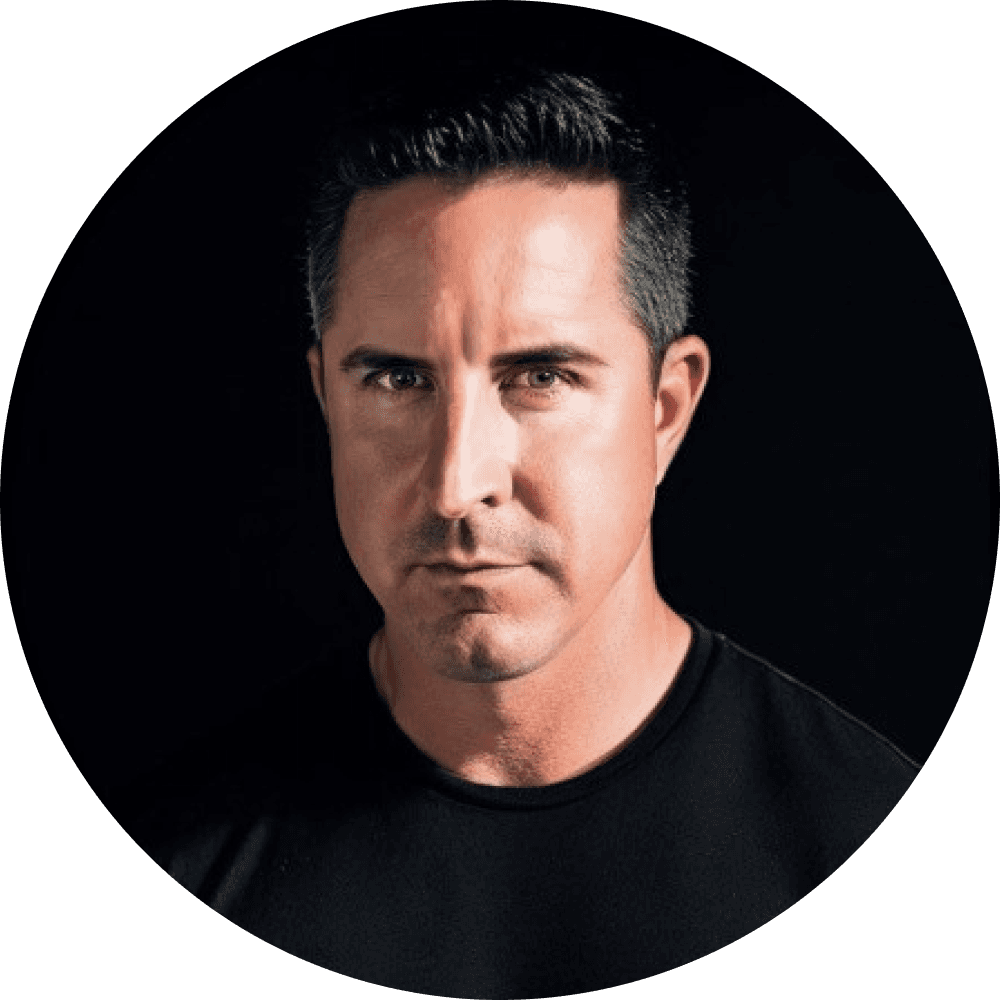
Written by · May 23, 2026
Donny Smith · ECD, Founder, Bttr.
Over the past 15 years, he has led creative teams and contributed to products used by millions of people worldwide, working with companies including Apple, Opendoor, JP Morgan, GE Aerospace, Pepsi, and Alterra Mountain Company.
LinkedInBttr. Field Brief
More frameworks like this in your inbox.
Monthly. One signal worth your time on Brand Operating Systems, AI search visibility, and the infrastructure buildout. No filler.