
Insight · January 6, 2026
Utah just made it legal
for AI to prescribe medicine.
The first state to allow AI to issue routine medication refills. The behavioral data that made it inevitable, the stories behind the data, and what it means for anyone building healthcare software in 2026.
01 · The announcement
Utah · Doctronic · January 6, 2026
The first state to allow an AI system to legally participate in medical decision making for prescription renewals.
Utah and Doctronic launched the first state approved program in the country that allows an AI to legally issue routine medication refills. The system runs inside a regulatory sandbox with clinical oversight, but the precedent is set · policy has caught up to behavior.
99%
Match rate with physicians' treatment plans
First
State to allow AI prescribing authority
Jan 6, 2026
The day policy caught up to behavior
Doctronic
Partner in the regulatory sandbox
02 · The behavior that made it inevitable
40 million Americans started using ChatGPT for healthcare. Daily.
While health systems debated AI strategy, formed committees, and commissioned reports, the public went around them. They did not wait for permission. They used the tool that responded.
40M+
Americans use ChatGPT for healthcare questions daily
7 in 10
Health conversations happen outside clinic hours
~2M
Weekly ChatGPT messages about health insurance
~600K
Weekly queries from rural hospital deserts
Three in five Americans say the current healthcare system is broken. Eighty seven percent name hospital costs as a serious problem. Seventy seven percent name access. Seventy five percent name the nursing shortage. The public did not wait for healthcare to figure out AI strategy. The public used what worked.
03 · The stories behind the data
Three patients · One pattern
San Francisco · Indonesia
Ayrin Santoso
A tax professional in San Francisco. When her mother in Indonesia suffered sudden vision loss and the family attributed it to fatigue, Ayrin entered the symptoms, prior advice, and context into ChatGPT from 8,000 miles away. ChatGPT warned that the condition could signal a hypertensive crisis and possible stroke. Her mother measured her blood pressure, confirmed it, and sought hospital admission that day. The mother has since recovered 95 percent of her vision.
Seattle, Washington
Rich Kaplan
Has a rare autoimmune clotting disease. When his insurance denied a clinician recommended therapy, he used ChatGPT to find studies, trials, and case reports. He produced a cited literature review that supported an appeal and won approval through arbitration. ChatGPT now helps him with daily management between appointments · summarizing visit notes, extracting lab trends, generating question lists, flagging drug interactions.
Miles City, Montana · Pop. 8,400
Dr. Margie Albers
A family physician in rural Montana. She uses an AI scribe to draft visit notes inside her clinical workflow, reducing manual data entry, medical coding, and billing work. That time savings lets her focus on patients who often travel hours for appointments and arrive with serious problems. In rural communities where the nearest specialist is hours away, AI becomes the only thing that responds.
People are not waiting for permission. They are going around the systems that were supposed to help them.
04 · The insight
The problem is not technology. The problem is design.
Most healthcare software was designed for institutions. Built around billing cycles, compliance requirements, and administrative workflows. Not around human stress and confusion.
Portals are hard to use. Information is siloed. Communication channels are slow. The experience assumes people have time, patience, and expertise they do not have. Patients responded the only way they could · by going around these systems entirely.
This is not a failure of user training. It is a signal about what healthcare products should have been doing all along.
05 · What we believe
Four principles for healthcare AI
AI should be invisible.
The best AI does not announce itself. It makes things work better. The cognitive load of using the system disappears into the background, not into a new chrome.
AI should reduce cognitive load.
It should absorb complexity, not add to it. Calm over clever. A patient in their moment of need is not the audience for a clever demo.
AI should support judgment, not override it.
Clinical expertise is earned over years. AI should augment it · surface evidence, draft notes, translate jargon · but the doctor is still the doctor.
AI should work under real constraints.
Stress, regulation, unreliable connectivity, partial information. The right system degrades gracefully when conditions degrade. Failure modes are part of the design.
06 · What we build
Four surfaces · One team
Healthcare navigation
Systems that help patients find care and move through complex journeys with less friction. Insurance, scheduling, referrals, prior authorization.
Patient and caregiver tools
Applications that support self management, preparation, and ongoing engagement. Built for the patient or family member in their moment of need.
Provider support
Platforms that reduce administrative burden and help clinicians focus on care. AI scribes, evidence summarization, query generation, document drafting.
Medical education and simulation
Adaptive learning experiences for clinicians. Bttr. ships these for the Allergan Medical Institute and the broader medical education portfolio.
Building in healthcare? The behavior already shifted. The product should too.
Bttr. ships healthcare software for regulated environments · AMI medical education, Ross J Barr clinical wellness, and the broader Allergan Aesthetics portfolio. We work where patient stress and clinical judgment meet.
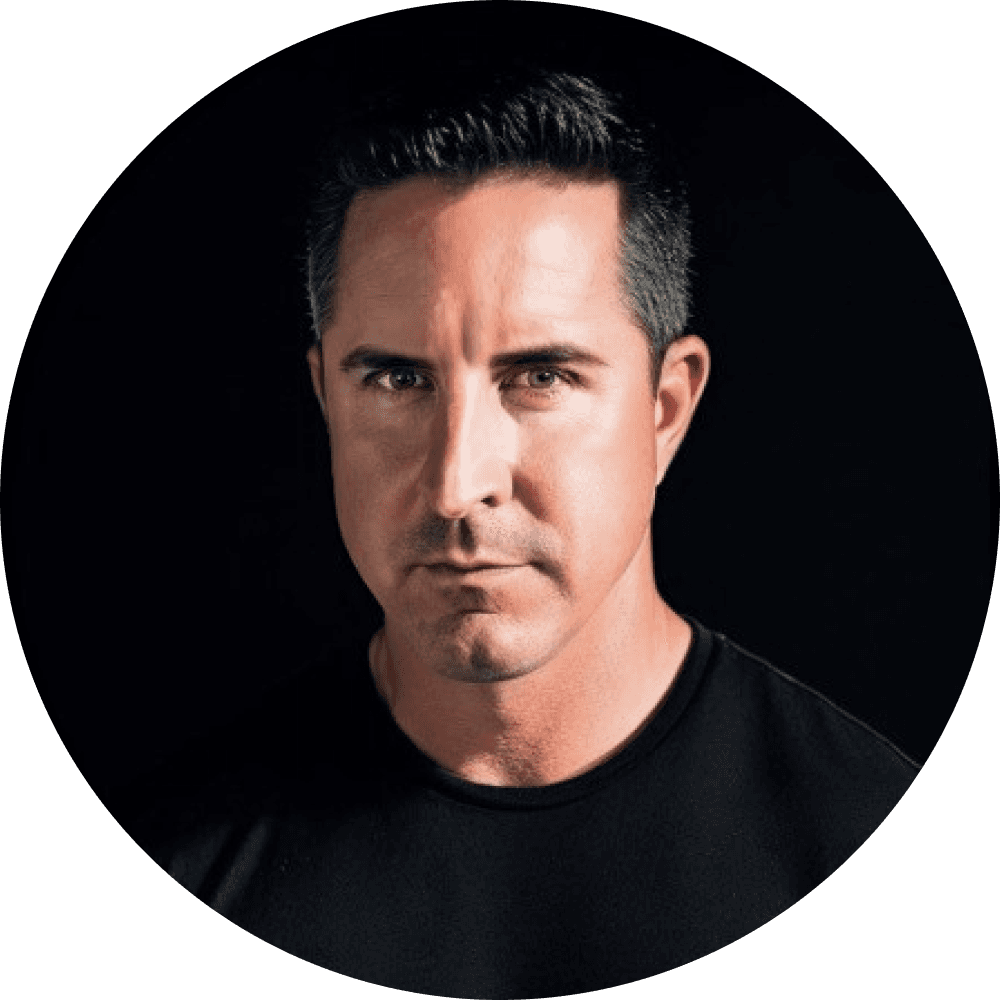
Written by · January 6, 2026
Donny Smith · ECD, Founder, Bttr.
Over the past 15 years, he has led creative teams and contributed to products used by millions of people worldwide, working with companies including Apple, Opendoor, JP Morgan, GE Aerospace, Pepsi, and Alterra Mountain Company.
LinkedInBttr. Field Brief
More healthcare and regulated AI signal.
Monthly. One signal worth your time on Brand Operating Systems, AI Search Visibility, and the regulated software buildout. No filler.