January 2026
Community Credibility
Over Brand Authority
Micro-influencer trust beats corporate marketing. The billboard lost. The friend who actually uses it won.
The most trusted recommendation is not from a brand. It is from someone who has nothing to gain by telling you. That is the shift. That is why everything changed.
People stopped believing the billboard. They stopped trusting the ad. They stopped caring about the logo. They started trusting the friend who actually uses it. The stranger who reviewed it honestly. The community that rallied around it.
Brand authority was built on information asymmetry. When everyone has a platform, the asymmetry collapses.
The Numbers
The data is unambiguous. People trust people. The more a recommendation feels like corporate marketing, the less it works. The more it feels like a real person sharing a real experience, the more it converts.
This is not a generational thing. It is a structural thing. When brands controlled the information channels, they controlled trust. Now the channels belong to everyone.
What Changed
The old model was simple. Spend enough money, say it enough times, and people will believe it. Repetition created familiarity. Familiarity created trust. Trust created sales.
The new model is harder. You have to actually be good. You have to earn every recommendation.
Now anyone can check. Anyone can see the reviews. Anyone can ask the community. The narrative belongs to the people using the product, not the company selling it.

The New Trust Hierarchy
Not all endorsements are created equal. The new hierarchy is based on perceived authenticity and alignment of incentives.
A friend who uses it and gains nothing from telling you. No affiliate link. No sponsorship. Just genuine recommendation.
A community member with shared context. Same job, same hobby, same problem. They understand your specific situation.
A micro-influencer with disclosed partnerships but authentic engagement. Small enough audience to maintain real relationships.
Brand advertising, celebrity endorsements, corporate messaging. The more polished it looks, the less it is believed.
The companies that win do not broadcast. They earn. Every recommendation. Every day.
You cannot buy trust.
You can only earn it.
What Good Looks Like
The companies that thrive in this environment are building products worth talking about. They are creating experiences people want to share. They are earning trust through consistent delivery, not consistent messaging.
They understand that marketing is now what you do, not what you say. That every customer interaction is a potential recommendation or warning. That the community will tell the truth whether you want them to or not.
We believe:
- 1Products must be remarkable. Literally worth remarking about. If users are not talking, the product is not good enough.
- 2Community is a moat. Engaged communities cannot be replicated by competitors. They are the strongest defensible asset.
- 3Transparency is table stakes. Trying to hide problems guarantees they become public. Owning them builds trust.
- 4Advocacy is the metric. Not awareness. Not consideration. Would your users recommend you? That is the only question.
What We Build
Remarkable Products
Experiences worth sharing. Features people want to tell others about. Design that earns advocacy.
Community Platforms
Systems that connect users to each other. That amplify authentic voices. That build trust through transparency.
Feedback Loops
Products that listen to communities and respond. That turn critics into advocates through genuine action.
Referral Systems
Mechanisms that reward authentic sharing. That make it easy for happy users to spread the word.
Would your users recommend you?
Without being paid to?
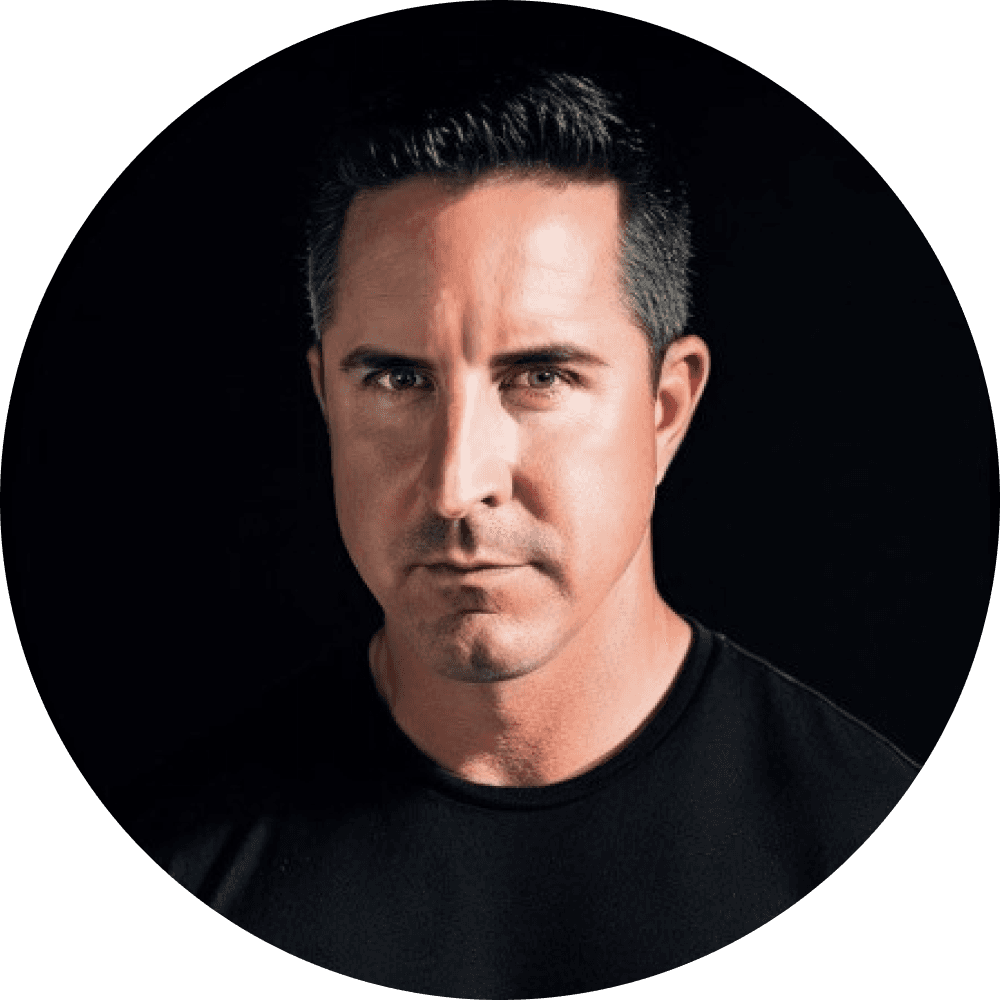
Written by · January 6, 2026
Donny Smith · Founder & Executive Creative Director, Bttr.
Over the past 15 years, he has led creative teams and contributed to products used by millions of people worldwide, working with companies including Apple, Opendoor, JP Morgan, GE Aerospace, Pepsi, and Alterra Mountain Company.
LinkedInShare this perspective
More Insights
Perspectives on product design, technology, and the forces shaping how people interact with the things we build.