01 · Definition
What a Brand Operating System actually is.
A Brand Operating System (Brand OS) is the working set of components, tokens, voice rules, photography direction, and governance that lets a company produce on brand work at speed across every surface. It is the operational backbone of a brand. Not the brand book PDF. Not the static style guide. The live system that the marketing, product, and content teams actually use to ship.
In our research, we found the vocabulary still lags behind the practice itself. The term has been popularized by teams at IBM, Atlassian, Shopify, and Linear, but in 2026 it has hardened into a recognizable discipline with shared anatomy and shared failure modes.
Over the last year, Bttr. analyzed enterprise design systems, regulated brand environments, AI-enabled content workflows, and production governance models across healthcare, biotech, enterprise software, and industrial organizations. This report captures the patterns that appeared repeatedly across those implementations.
The shortest working definition: a Brand Operating System is a design system plus everything outside the product UI that has to look and read the same.
02 · Who needs one
Who needs a Brand Operating System.
Roughly 74% of Fortune 500 brands report owning a "design system" in 2026 surveys. Only 31% say it is actually used across every brand-touching surface. The gap is where the Brand OS discipline lives.
Public, mature systems in 2026 include:
- IBM Carbon
- Atlassian
- Shopify Polaris
- GitHub Primer
- Stripe
- Linear
- Notion
- Figma
- Mailchimp
- Adobe Spectrum
- Salesforce Lightning
- Microsoft Fluent
In our analysis, companies with mature public design systems almost always evolved into broader operational brand systems, even when they never formally labeled them a Brand OS.
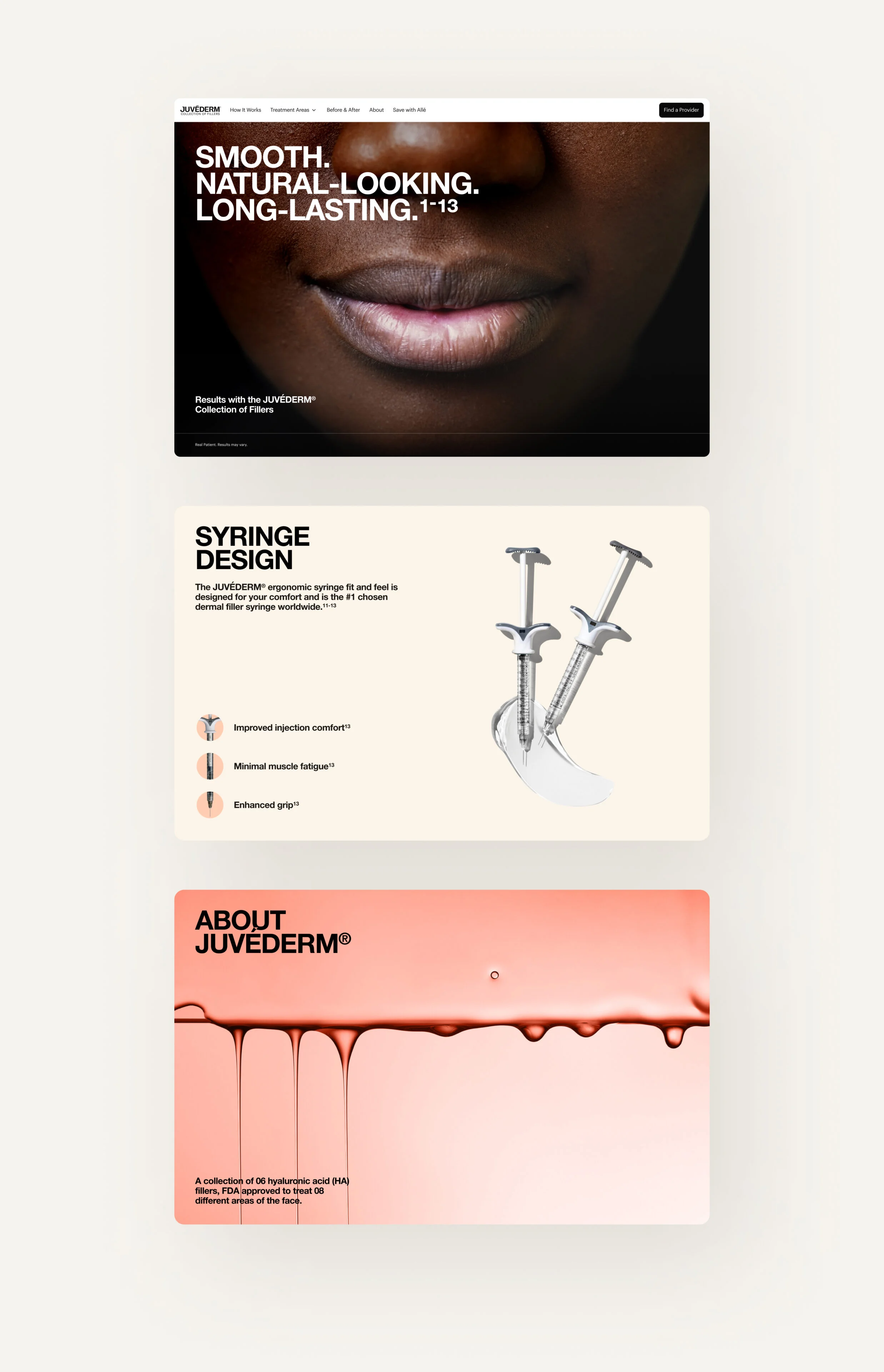

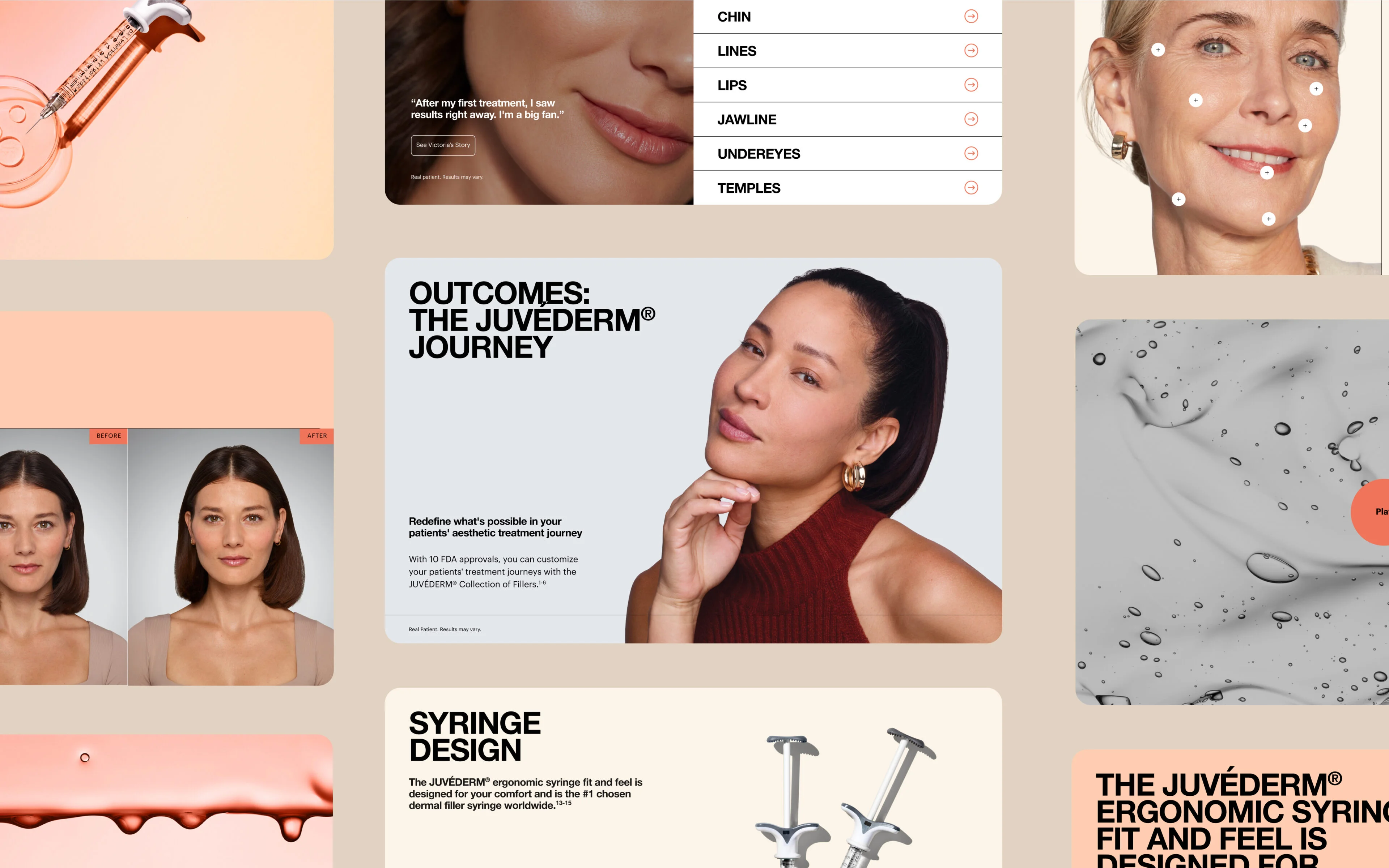
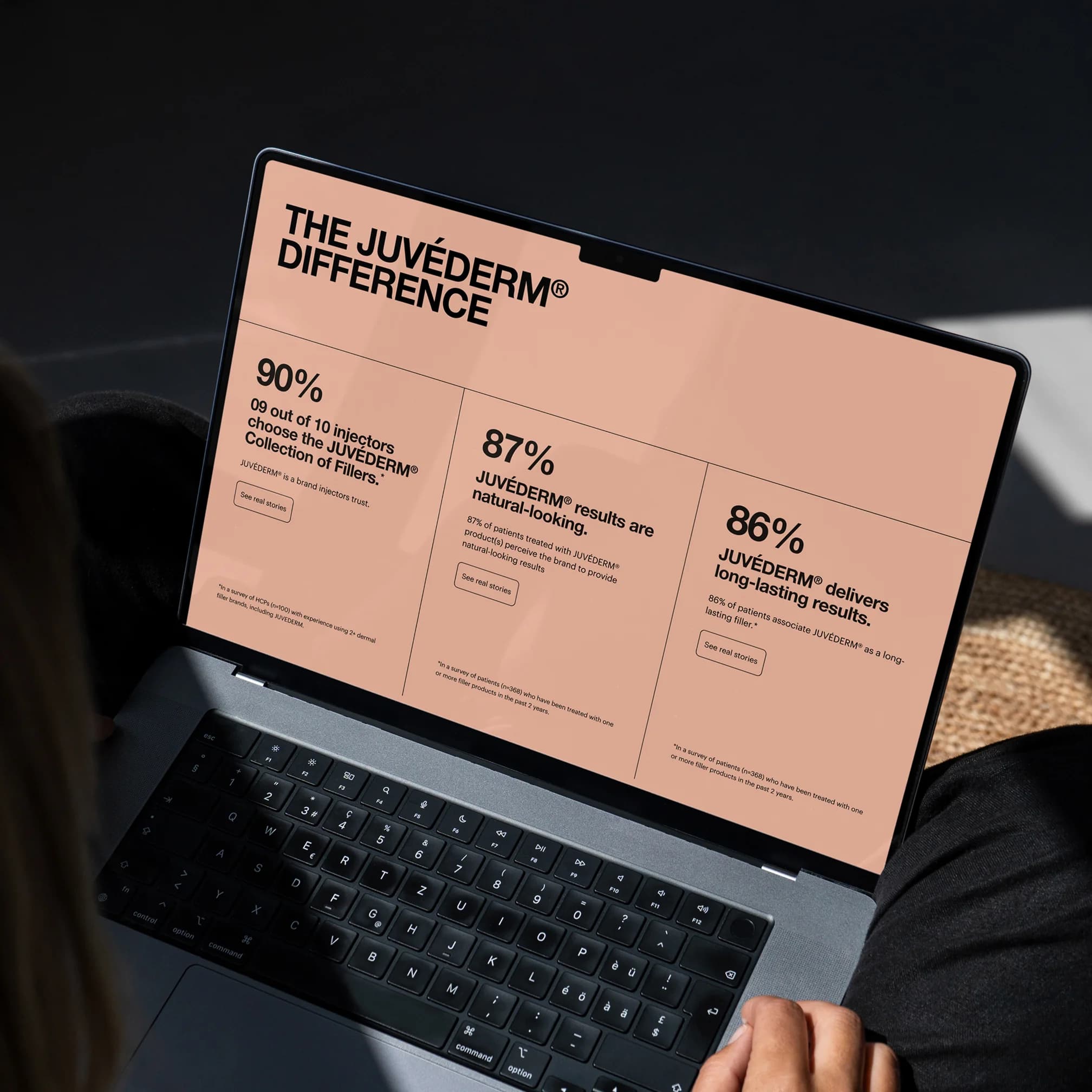
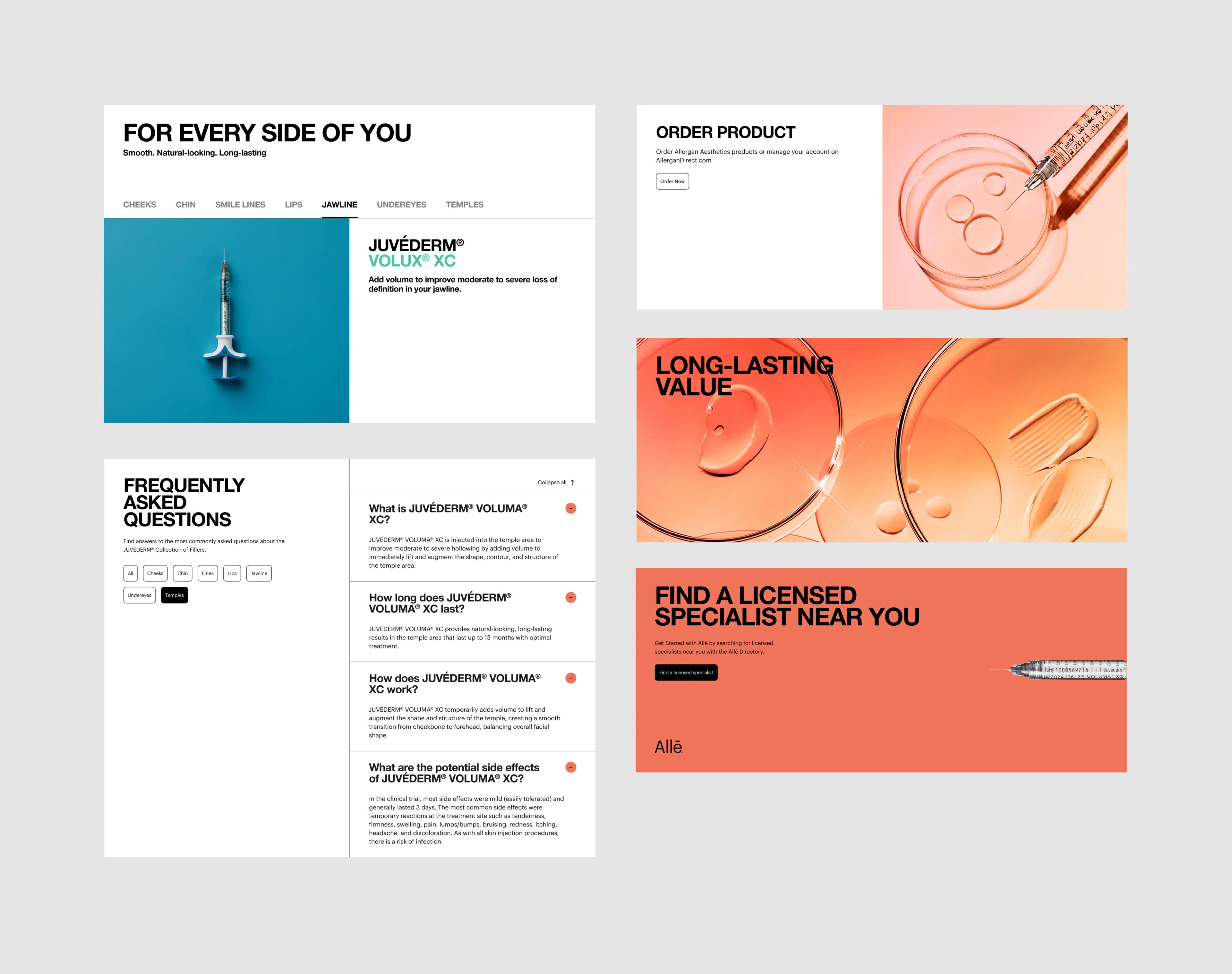

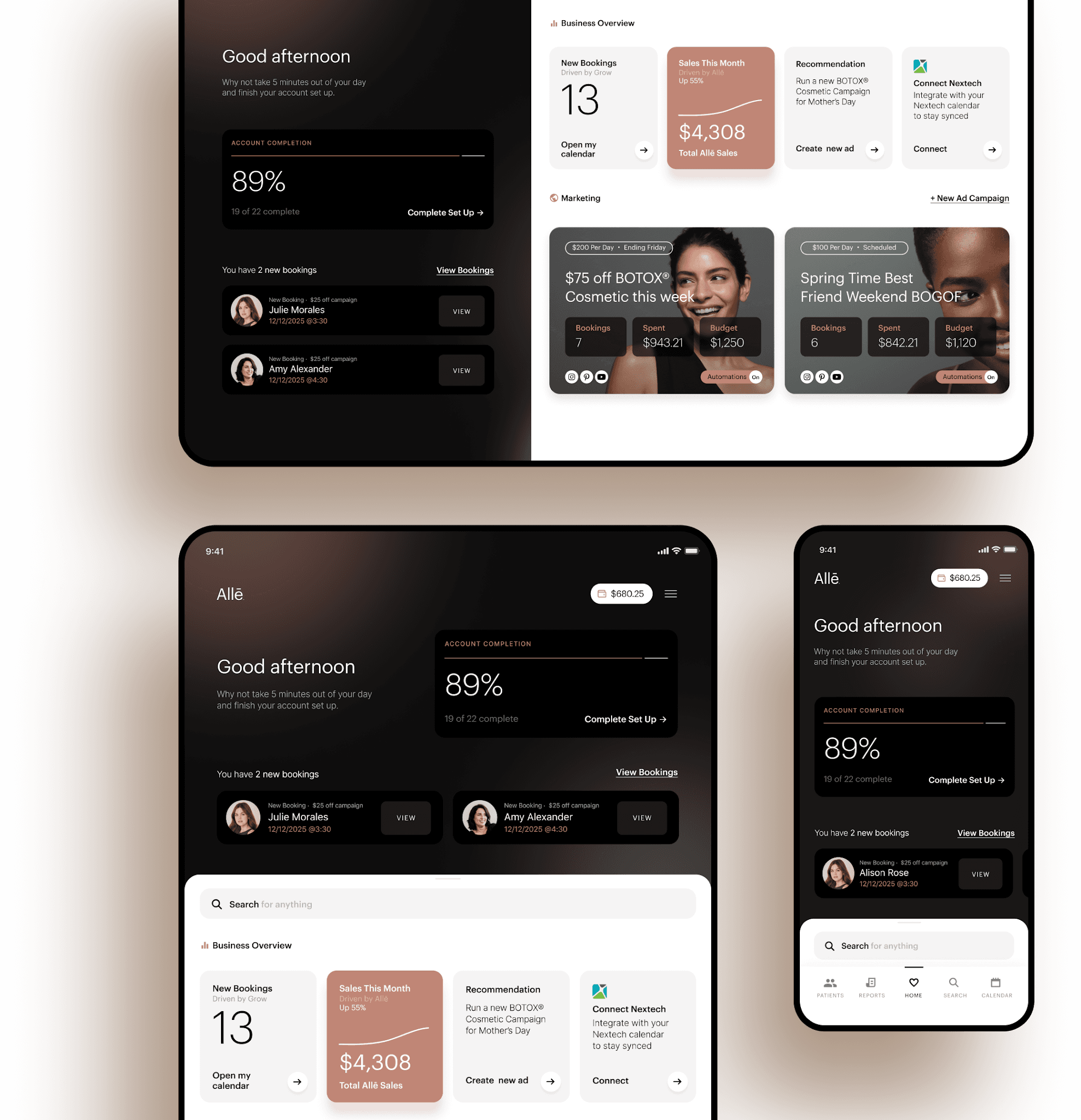
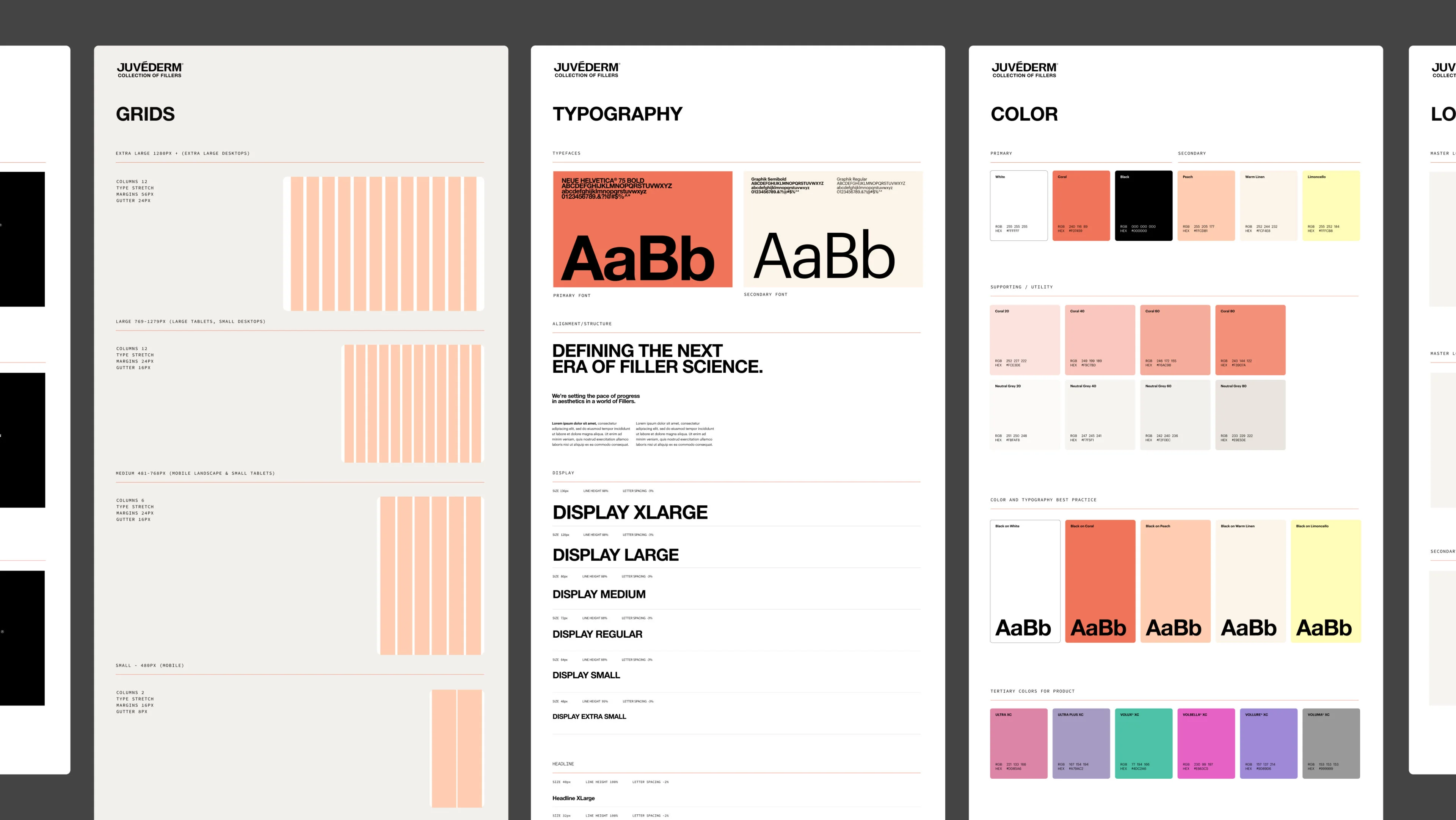
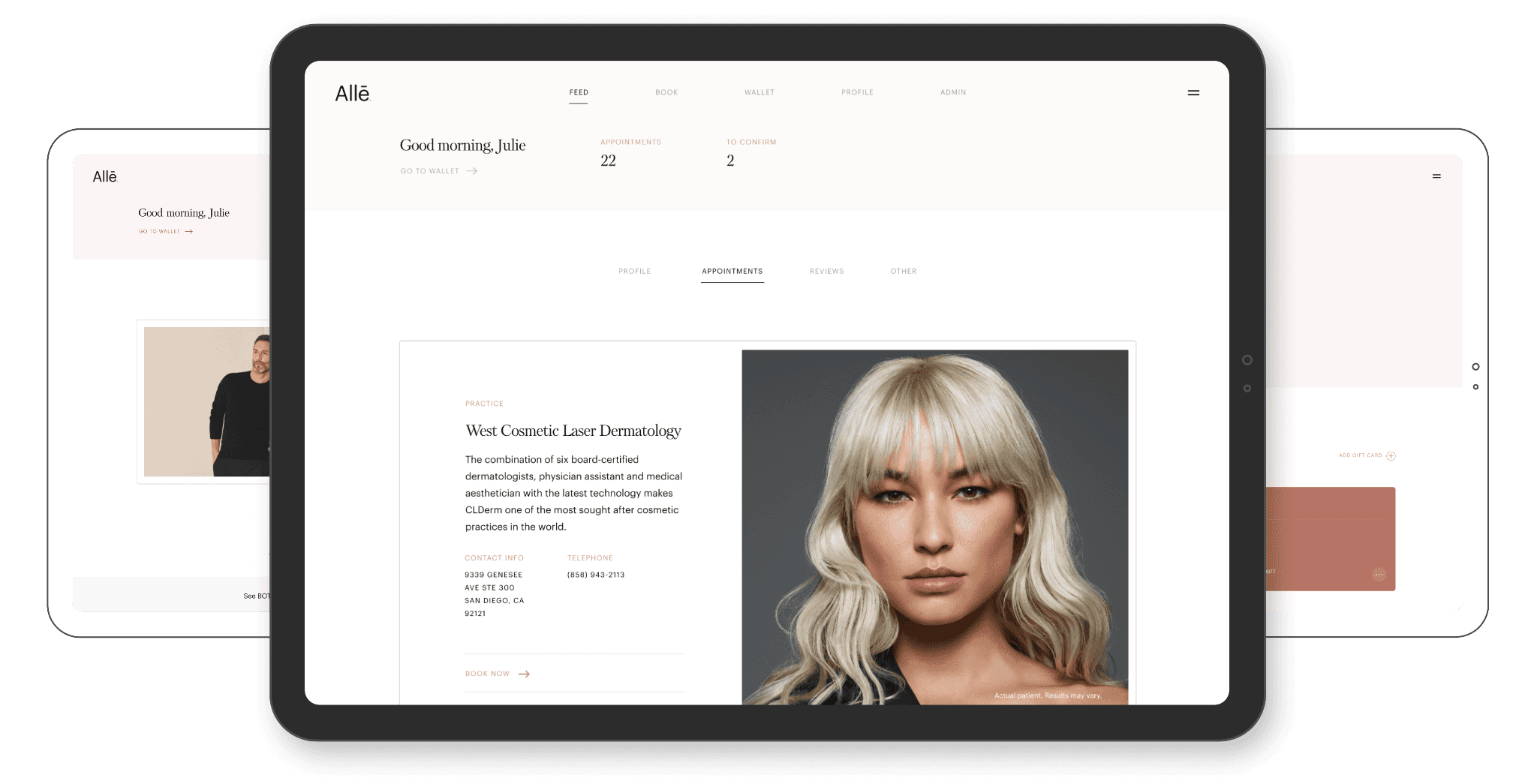
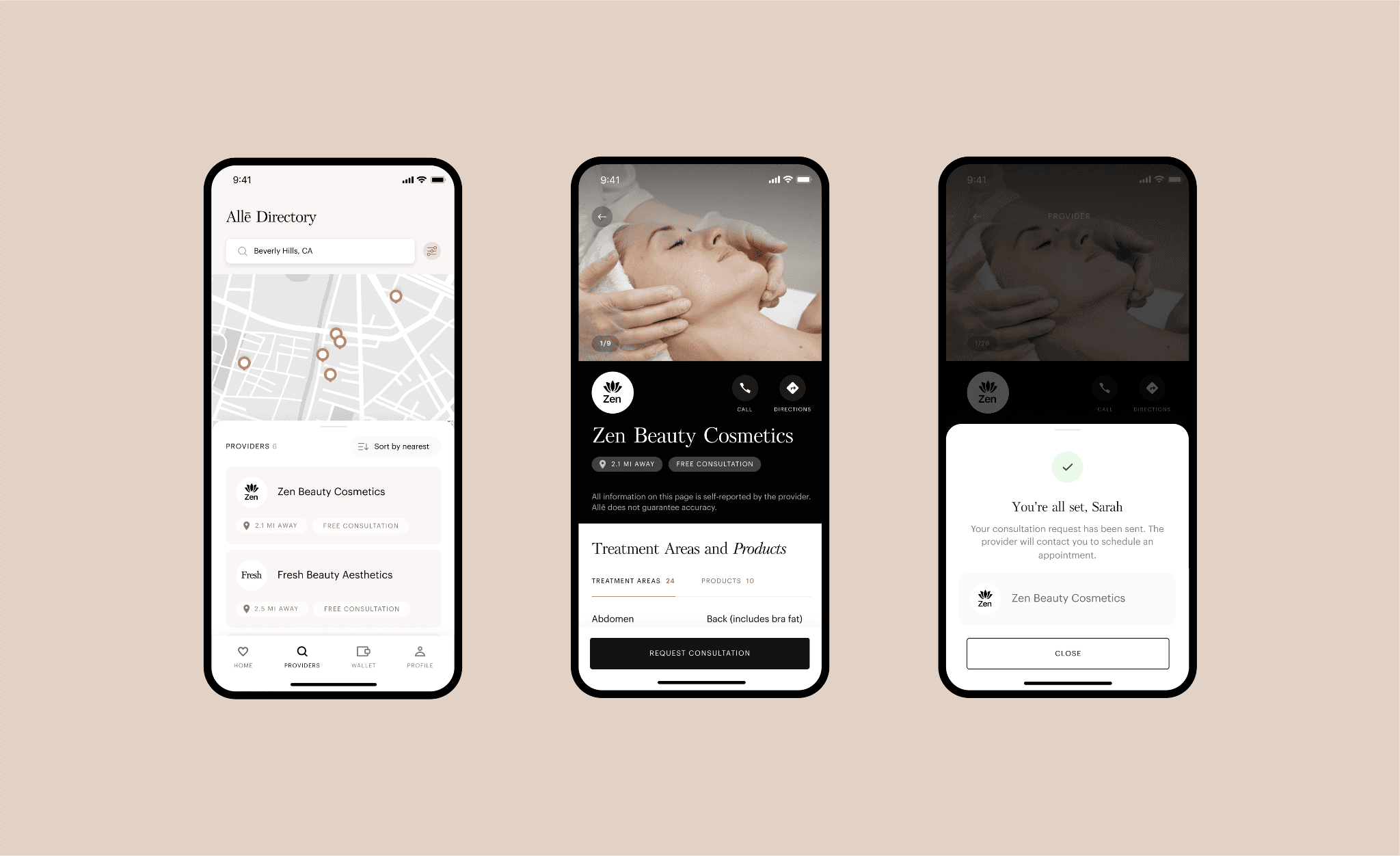
Juvéderm · one regulated brand operating system, six on brand surfaces in production →
Built by Bttr.
Brands we have built a Brand OS for.
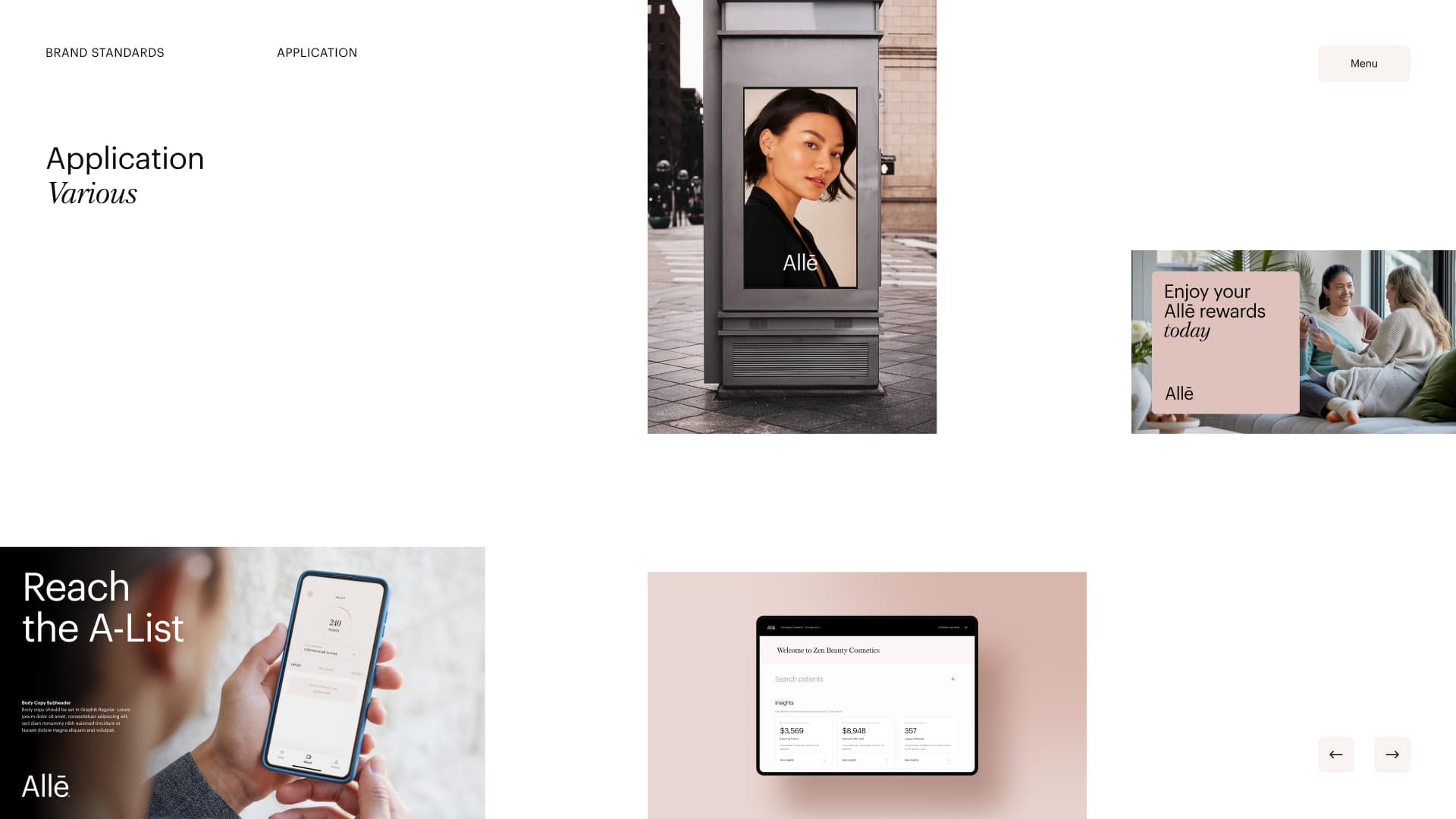
Selections from the production implementations behind this report. Each one is a Brand Operating System we designed, engineered, and put into operation.
- Allergan AestheticsRegulated · loyalty platform
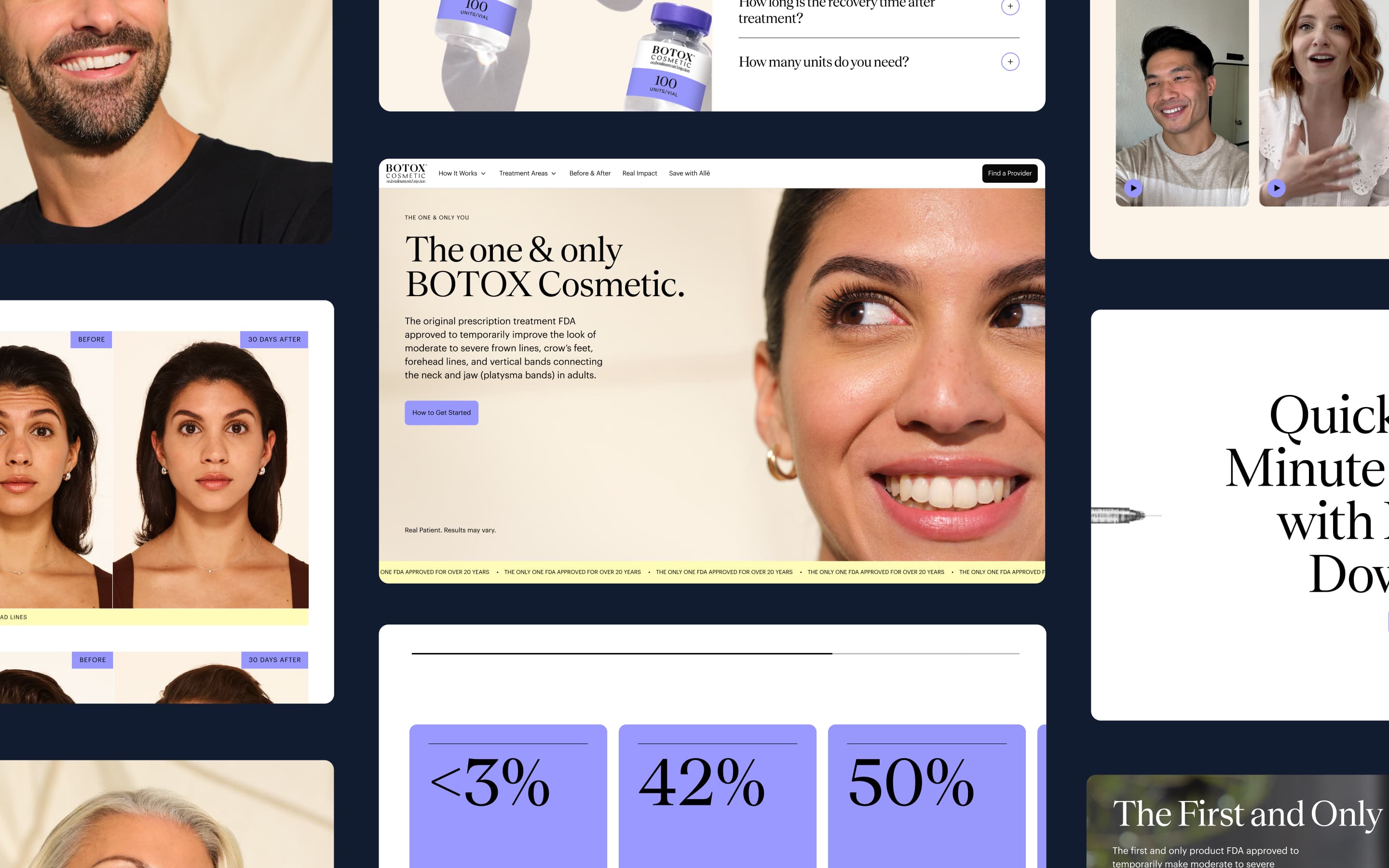
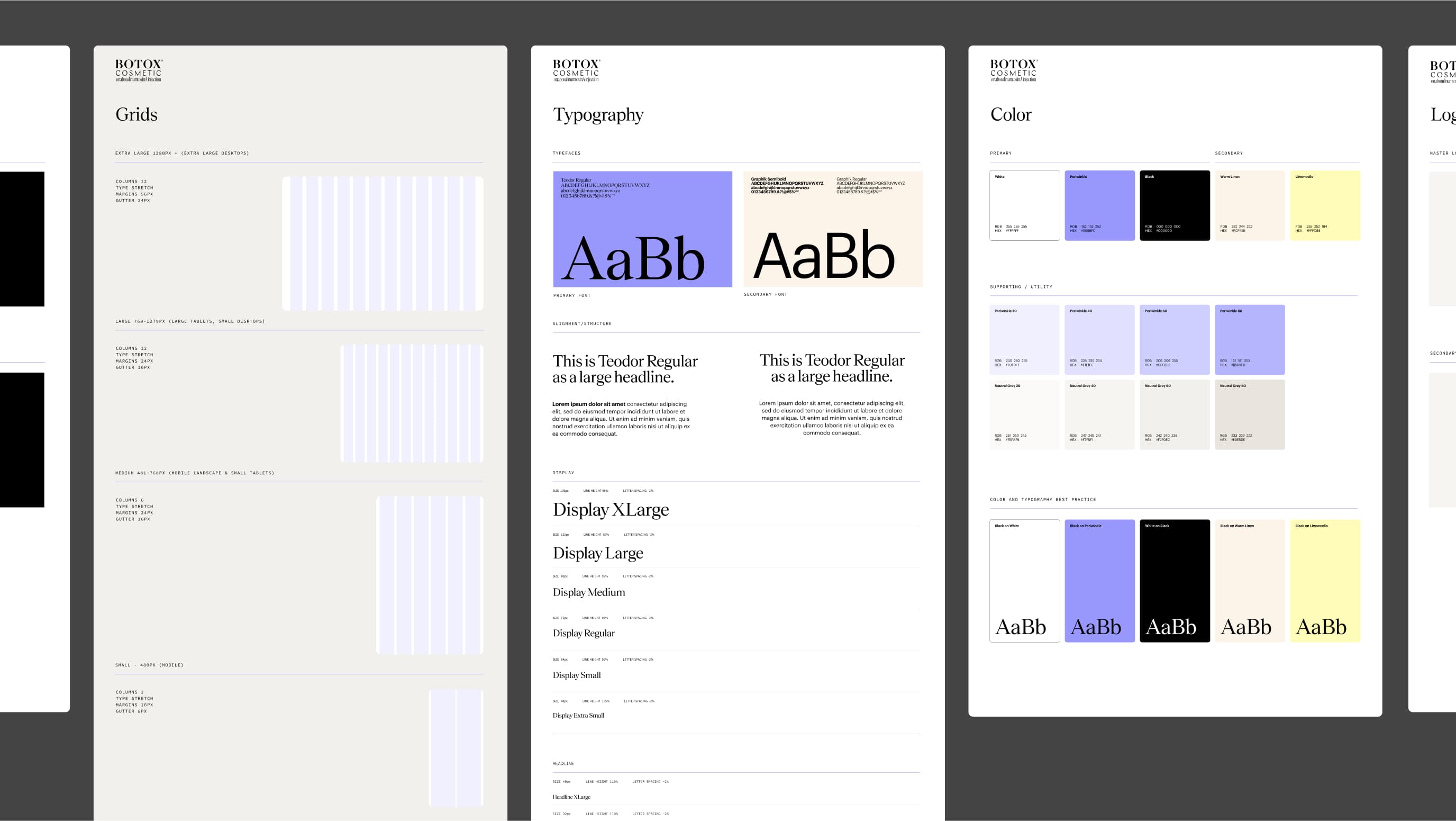
- Botox CosmeticRegulated · category leader
- JuvédermRegulated · collection of fillers
- GE AerospaceEnterprise · industrial
- Great DaneIndustrial · 125-year manufacturer
- OpendoorConsumer · category leader
- Ross J BarrClinical wellness · DTC
- Ikon PassConsumer · multi resort
03 · Anatomy
Anatomy of a working Brand OS.
Across roughly thirty enterprise implementations reviewed by Bttr., the same operational pattern emerged repeatedly:
Design
tokens
Color, type, spacing, motion, elevation. The source of truth.
Component
library
Production code components for every surface that ships.
Voice
rules
Tone, vocabulary, do-not-say list. A quick-decision table.
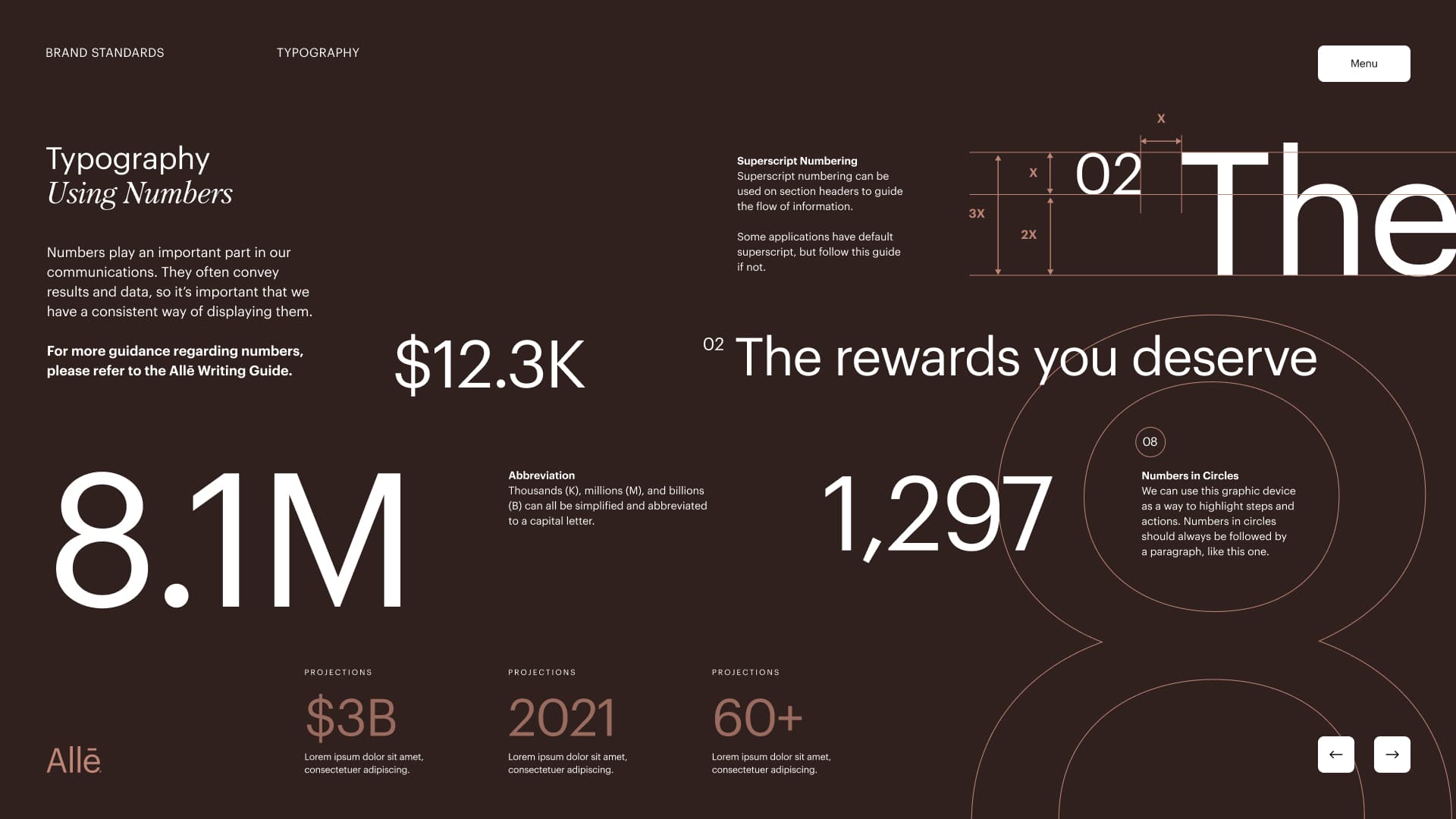
Typography
system
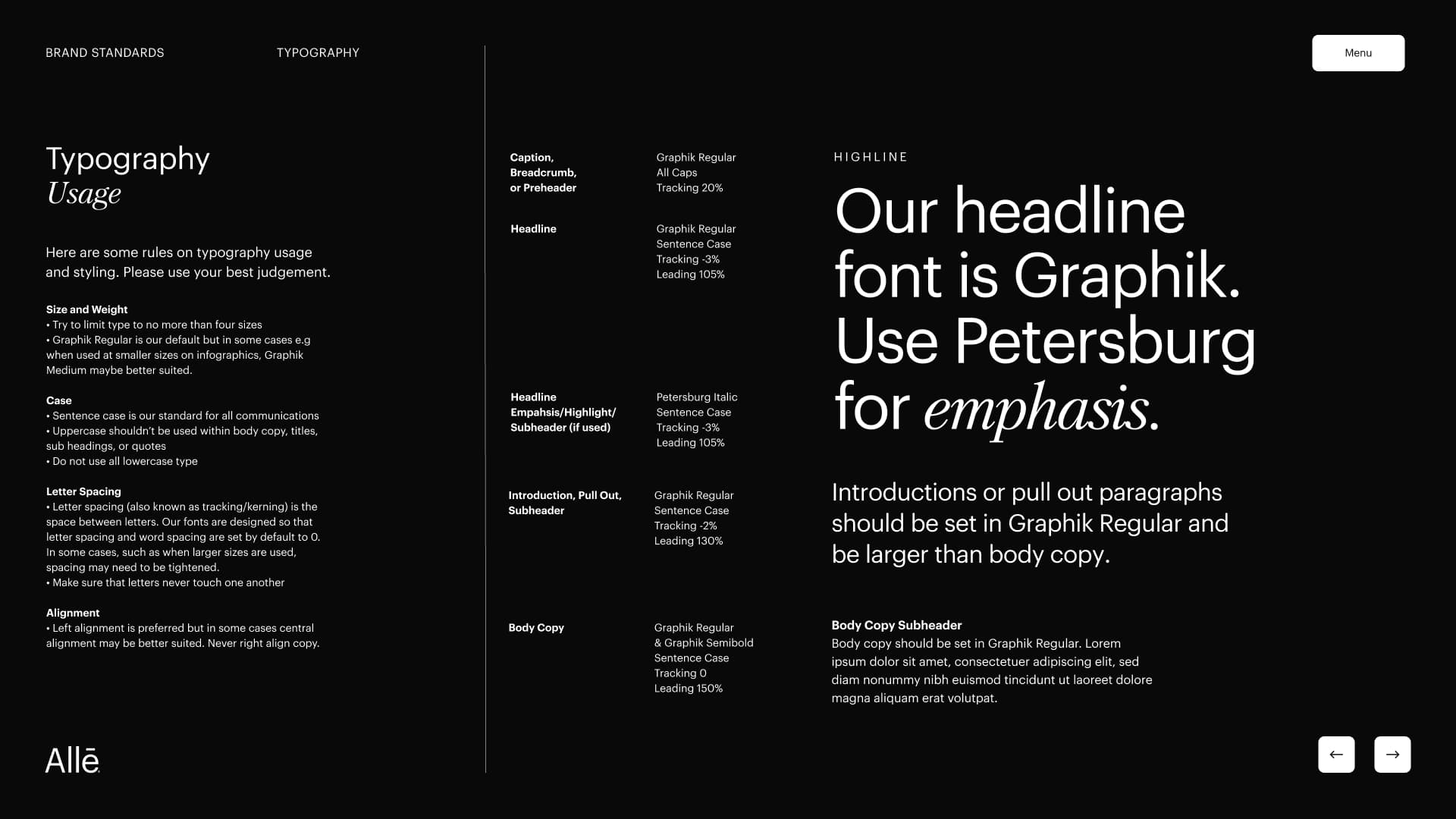
Type scale, line heights, tracking, weight. Tokens, not CSS.
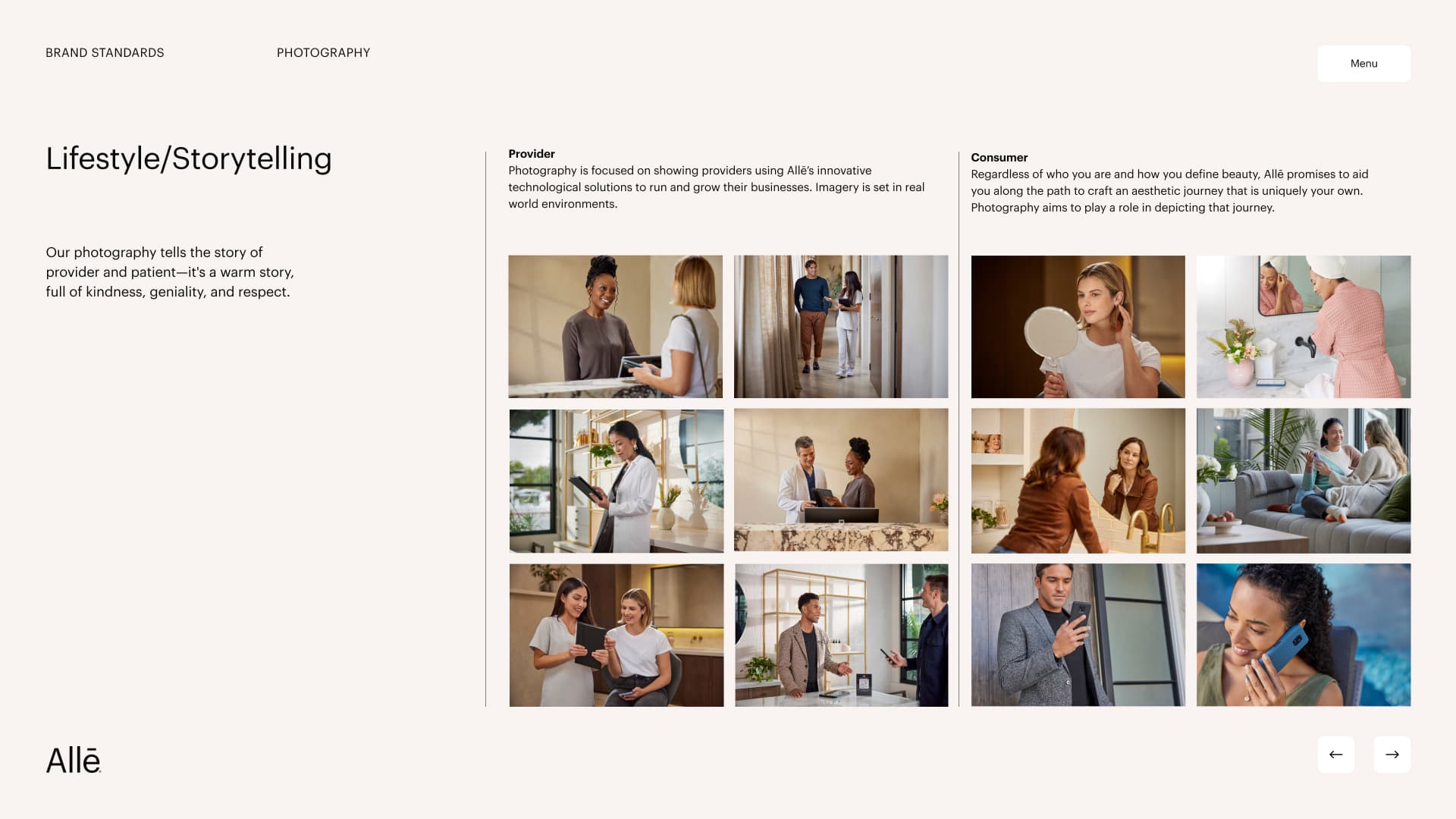
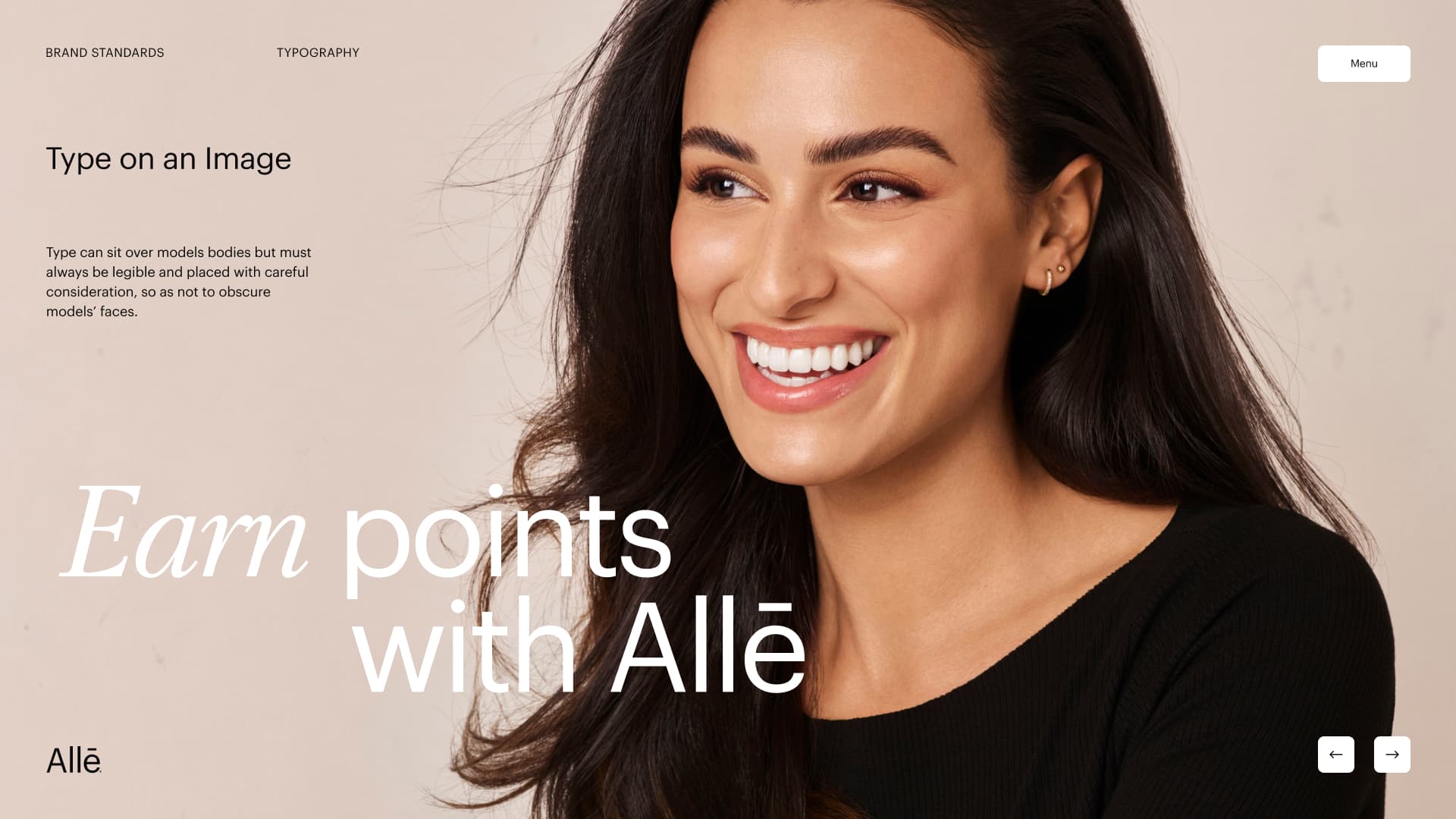
Photography
direction
Subject, lighting, composition. A specimen library on cadence.
Motion
principles
Easing curves, durations, animation. Versioned in code.
Presentation
templates
Deck templates that ship. On-brand decks in twenty minutes.
Brand
governance
Who approves changes, on what cadence, with what rituals.
Eight anatomy components · the working set we documented across every mature Brand OS we reviewed →
04 · Failure modes
Where they break.
Across the systems we reviewed, the most common failure mode was remarkably consistent: the Brand OS exists, but the people who would benefit from it do not know it exists, cannot find it, or do not trust it because the last person who tried it found something out of date. In nearly every underperforming implementation we analyzed, governance failure, not design quality, was the root issue.
Other failure modes:
- Frozen at launch. Built once, never iterated. Brand drifts within months.
- Documentation only. Lives in Figma and Notion but no working code or templates. Designers can find rules. Engineers and marketers cannot.
- Component sprawl. Three buttons with subtle differences. Four header patterns. Nobody knows which is canonical.
- Voice goes stale faster than visual. Visual systems can hold for years. Voice systems drift in months as the audience shifts and the company matures.
- Photography decays first. Stock photo libraries age in real time. Custom photography is the highest-cost and lowest-shelf-life part of a Brand OS.
05 · AI shift
The AI shift.
The clearest shift we observed in 2026: the Brand OS is becoming a generation system, not just a reference. The tokens, components, and voice rules now feed prompt libraries, brand-tuned image-model fine-tunes, and agent workflows that produce on brand work directly.

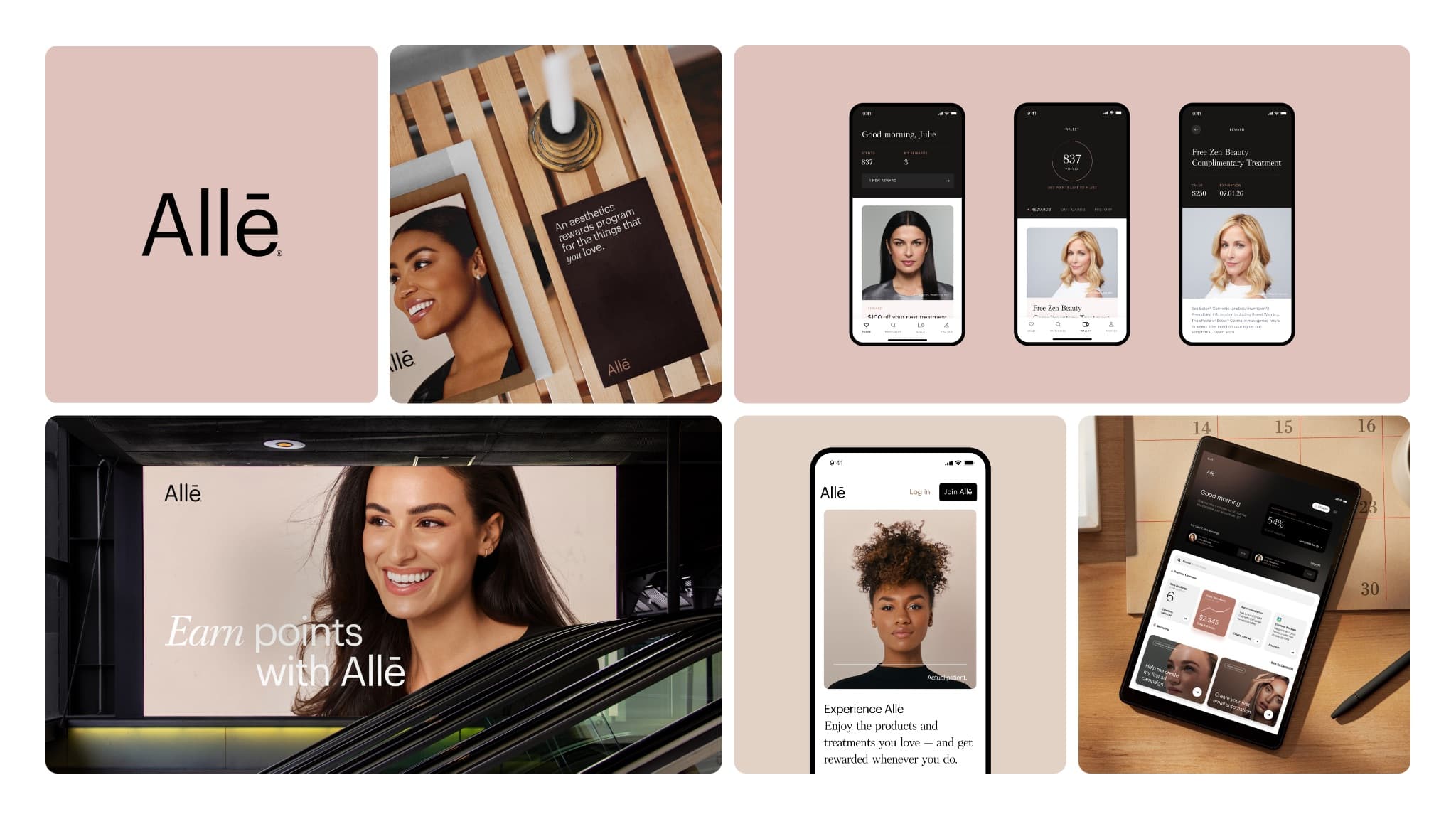
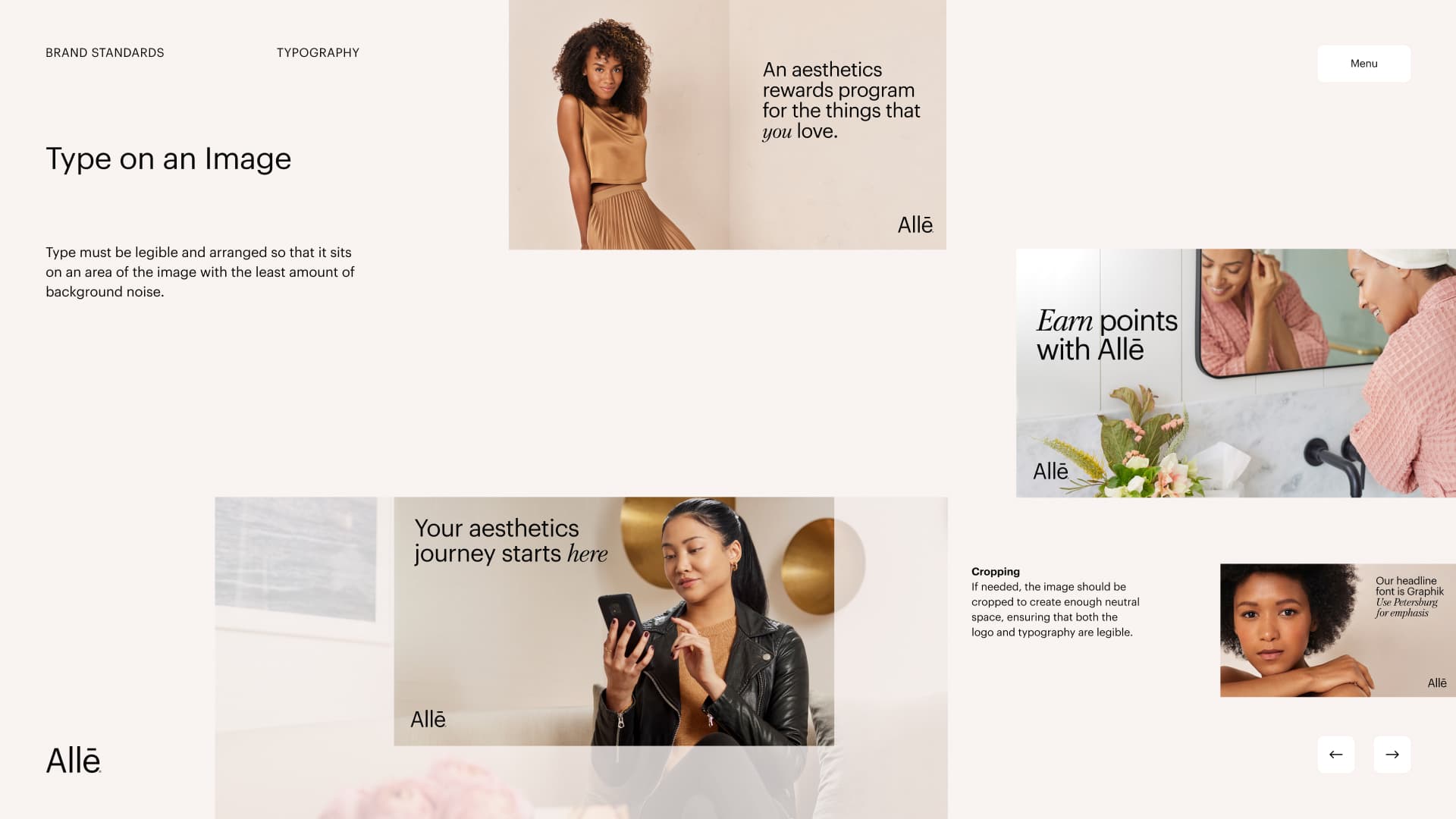
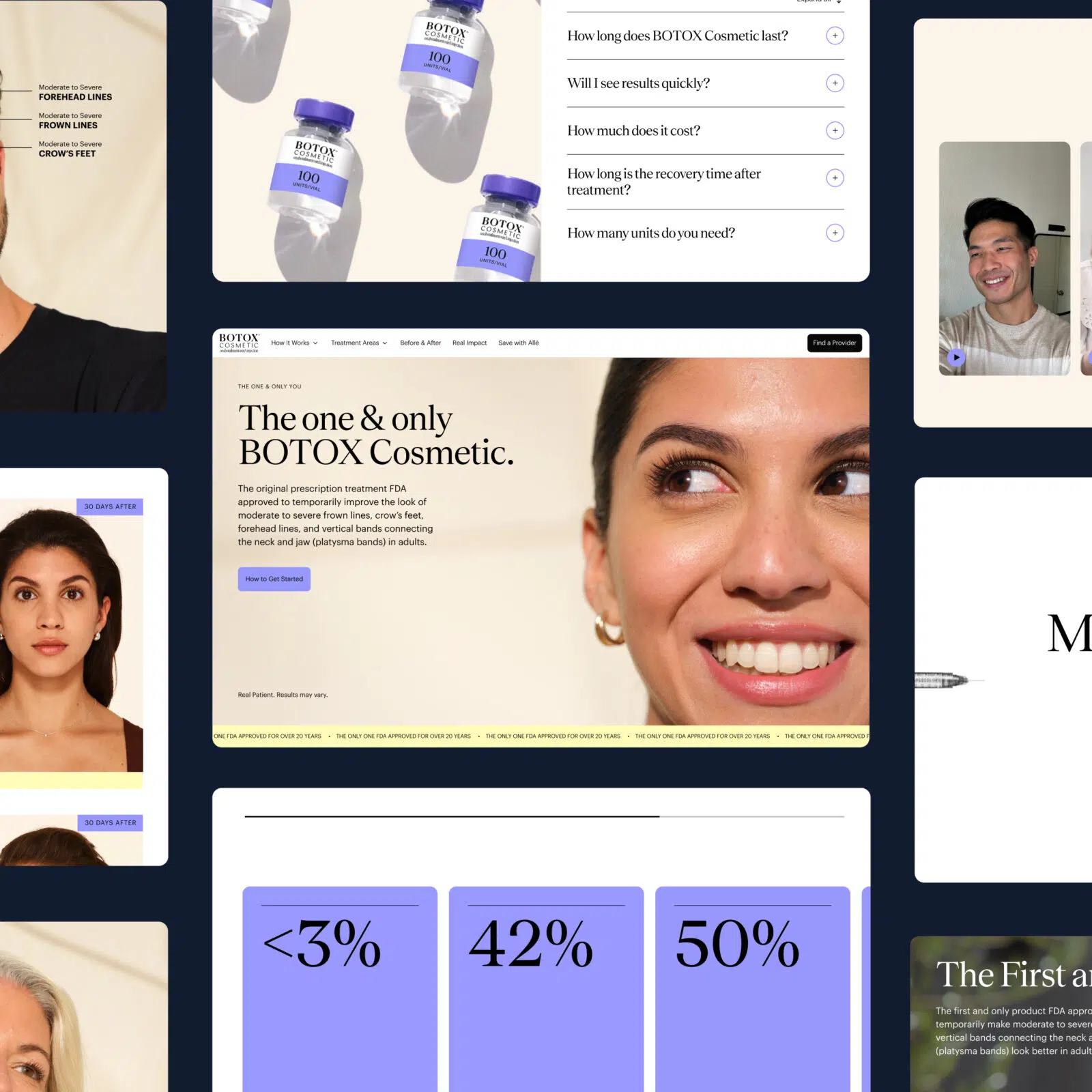
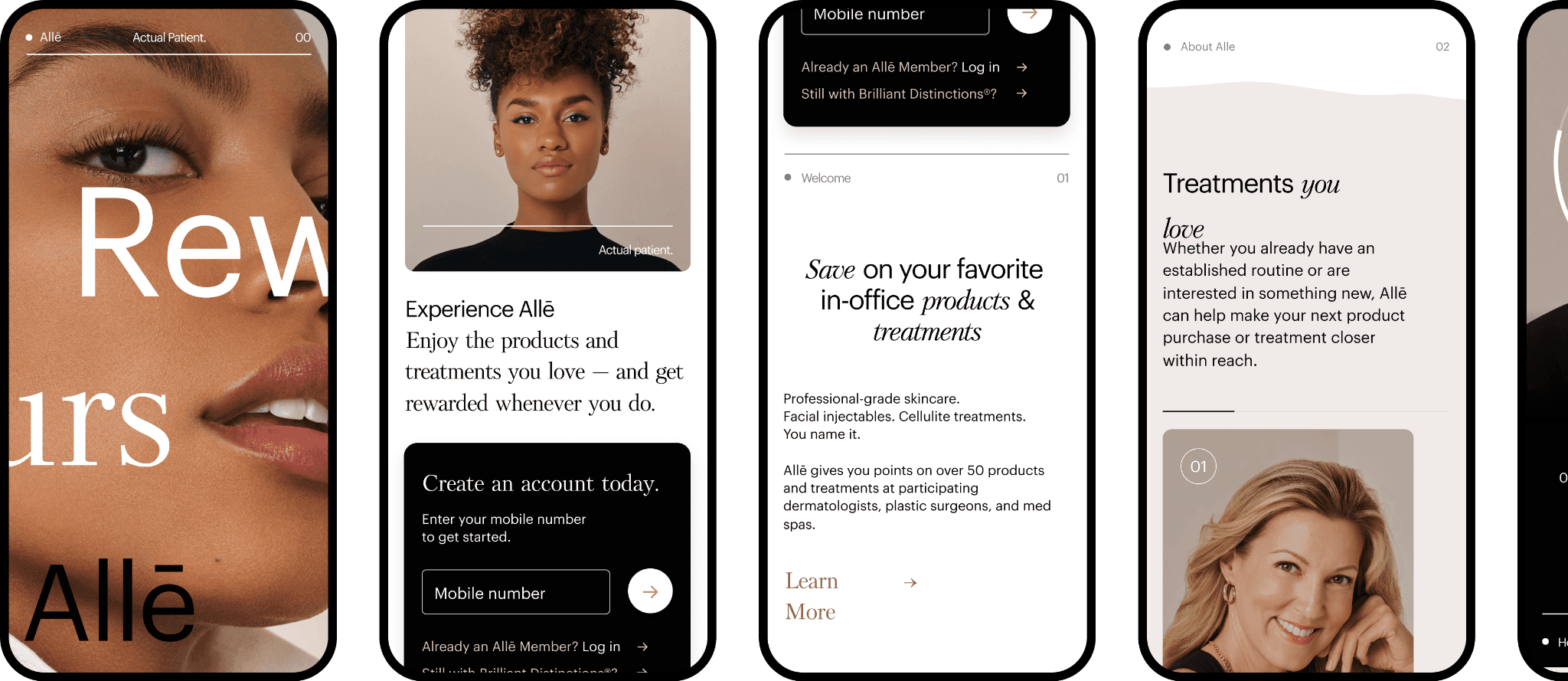
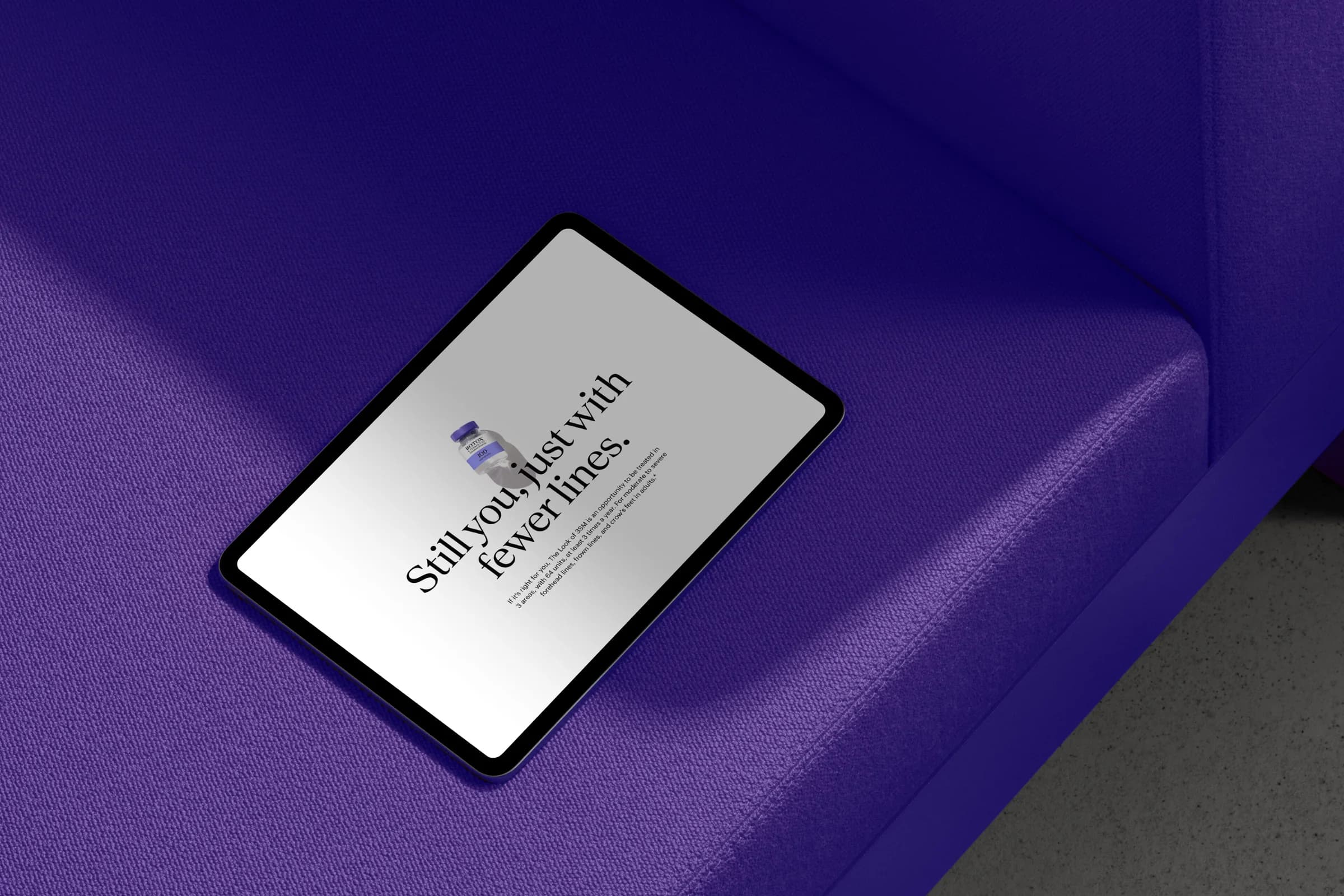
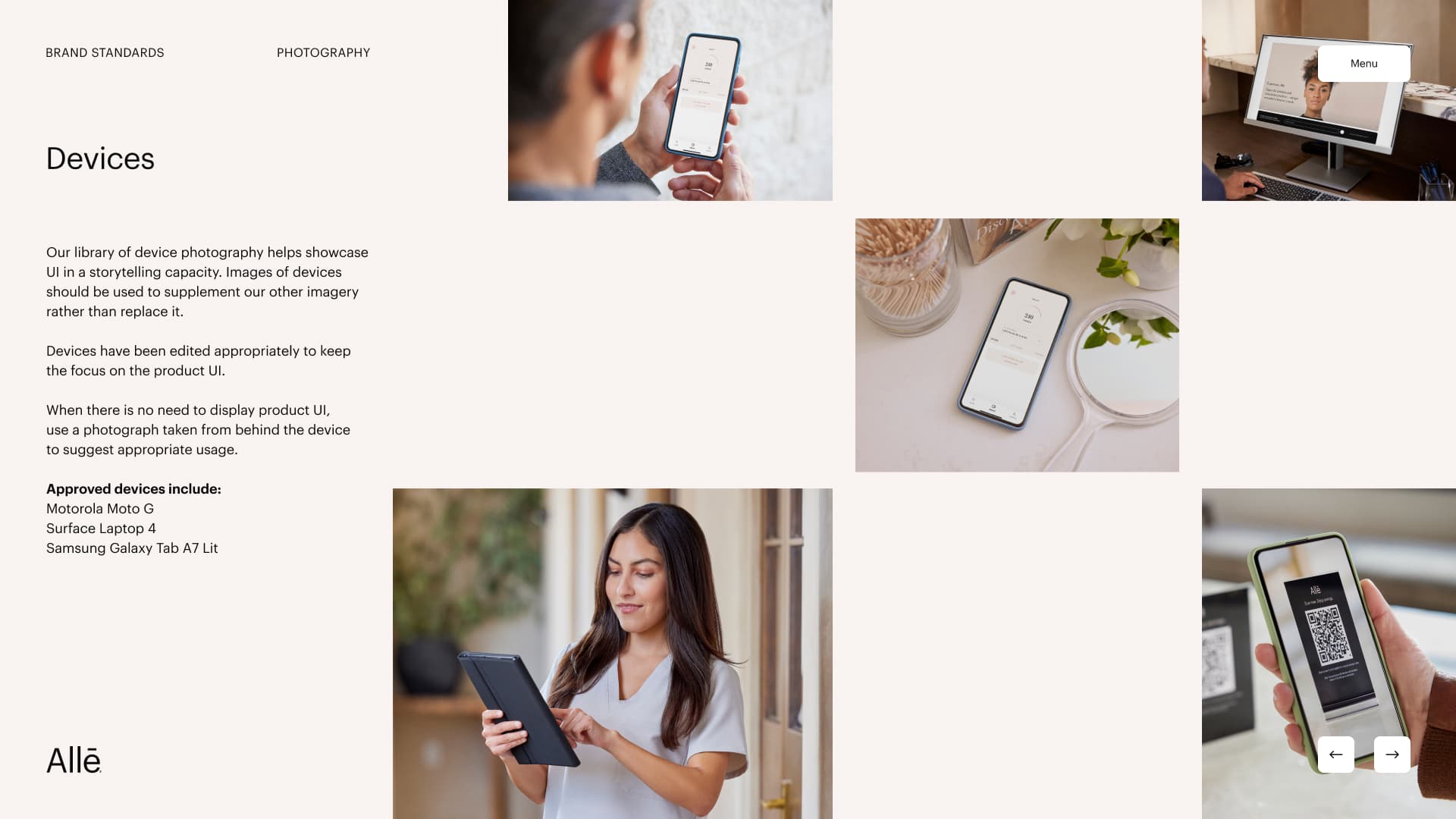
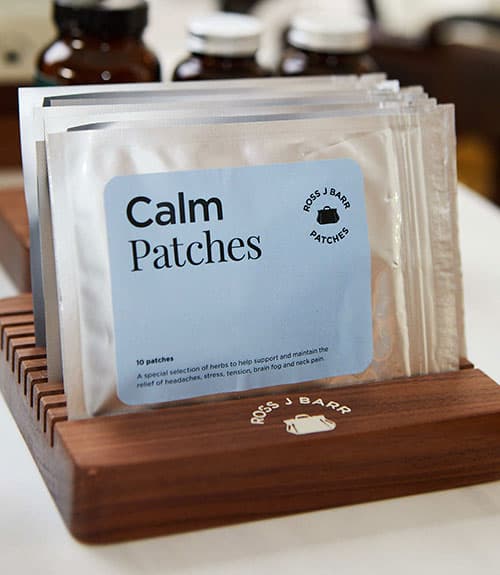
Eight on brand outputs across four connected systems · the working surface area of a generation-era Brand OS
The most advanced implementations we studied consistently included:
- Curated prompt libraries. Pre-validated prompts for headline writing, image generation, copy editing, presentation creation. Versioned alongside the visual tokens.
- Brand-tuned image models. Fine-tuned diffusion models that produce on brand imagery consistent with the photography direction. Trained on approved specimens.
- Content agents. Workflows that take a brief, pull from the Brand OS, and produce draft posts, decks, and pages that an editor reviews instead of writes.
- Voice fine-tunes. LLM fine-tunes against the brand voice corpus, used as the first pass editor for any AI-generated copy.
The highest-maturity teams in our research increasingly route every AI-generated asset through the Brand OS itself. The Brand OS is the rulebook the agents play by.
06 · Measurement
How teams measure a Brand OS.
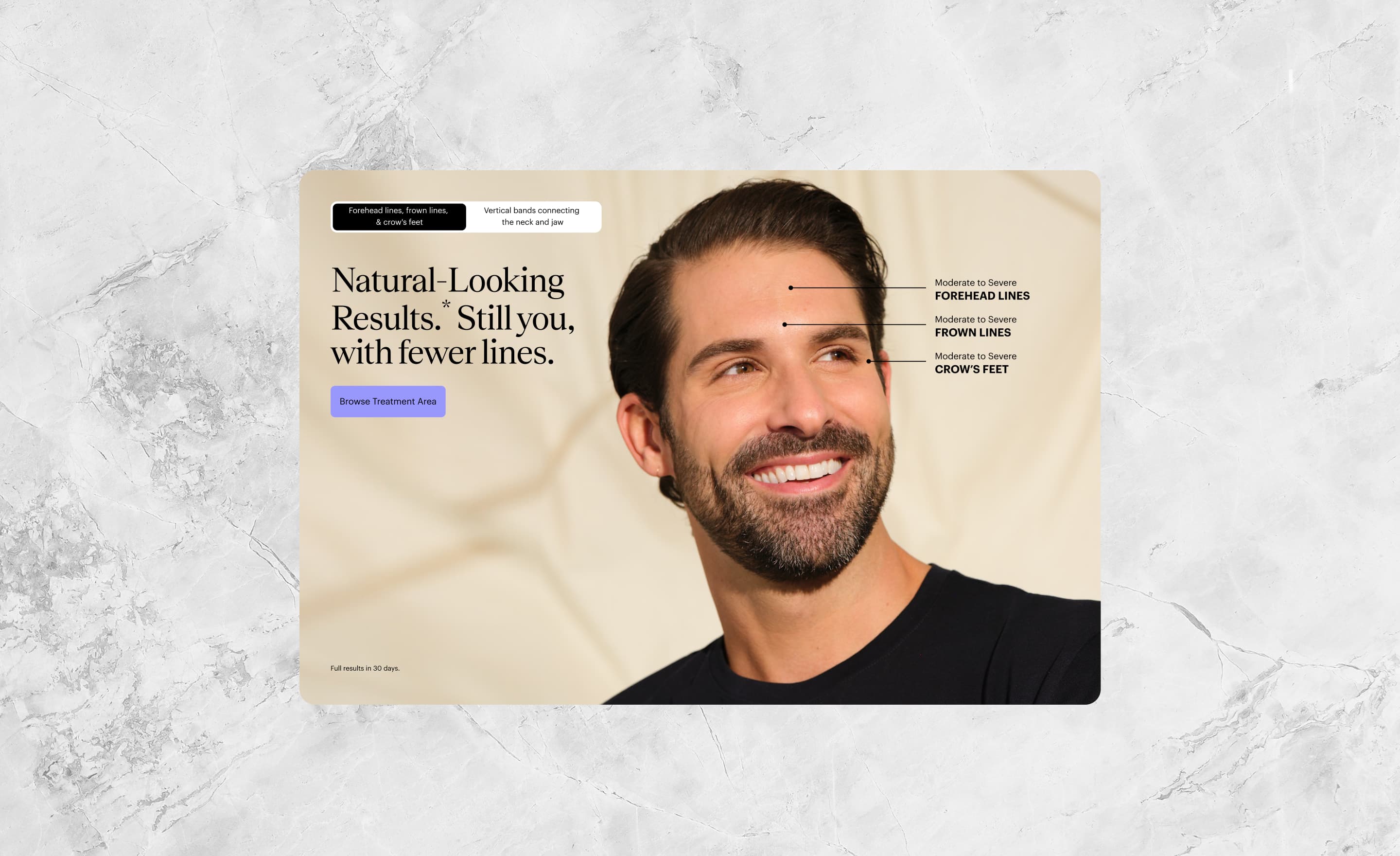
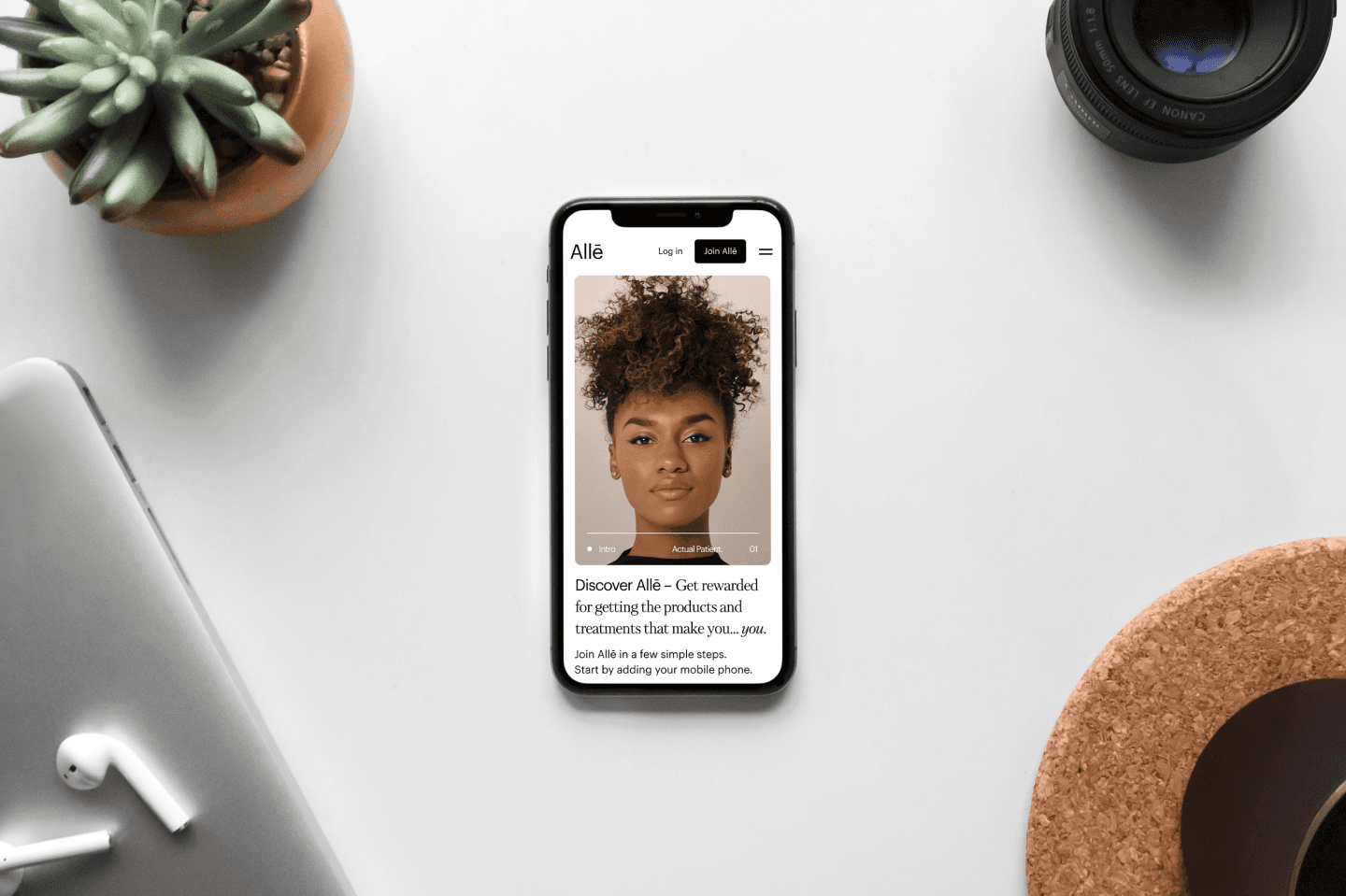
Across the systems we evaluated, four metrics consistently correlated with Brand OS maturity
The metrics that correlate with a healthy Brand OS:
- Cycle time on brand-touching deliverables. Teams shipping from a maintained Brand OS report 2.4x faster cycle time than teams using PDF guidelines.
- Component adoption rate. Percentage of in-production UI that uses sanctioned components. Healthy systems sit above 80%.
- Voice consistency score. Sample copy across surfaces, evaluated against the voice rules. Drifts up to 15% per quarter without governance.
- Time to ship a new surface. A landing page on a healthy Brand OS lands in days. Without one, weeks.
- Self-serve rate for non-designers. The acid test. Can marketing, sales, and operations produce on brand work without a designer in the loop. If yes, the Brand OS is working.
07 · Build it
How to actually build a Brand Operating System.
A Brand Operating System is not a deliverable. It is a system your team ships from every day. The implementation has to be wired into the tools the team uses, not parked on a documentation site nobody opens.
Bttr. runs the build as a fixed timebox Brand Sprint. Three steps move the system from definition to live operation.
Three steps from definition to operation
- 01
Lock the strategy and identity.
Positioning, audience, the single sentence the brand has to defend. Then the visible surface area: logo, type system, color system, motion, photography direction. Shipped as production-ready files and tokens, not slide decks.
- 02
Wire the operating layer.
Tokens land in the codebase. Component libraries get the brand applied. Voice rules become writer-friendly prompts and editorial guidance. Governance gets named owners and a review path. The system becomes usable, not just defined.
- 03
Prove it on a real surface.
Ship one production surface · a landing page, a product UI, a pitch deck · from the system end to end. Application proves the system holds. Anything that breaks gets fixed before the rollout widens.
FAQ
Common questions.
What is a Brand Operating System?
A Brand Operating System is the working set of components, tokens, voice rules, photography direction, and governance that lets a company produce on brand work at speed across every surface. It is the operational backbone of a brand. Not the brand book PDF, not the static style guide, but the live system that the marketing, product, and content teams actually use to ship.
How is a Brand Operating System different from a design system?
A design system covers the product UI: components, tokens, patterns. A Brand Operating System covers the full brand surface: identity, voice, photography direction, motion, audio, packaging, presentations, events, and the governance that holds them together. Every Brand Operating System contains a design system. Not every design system rises to a Brand Operating System.
Who needs a Brand Operating System?
Any company shipping brand-touching work across more than two surfaces (product UI, marketing site, sales decks, events, press, packaging, etc.) where consistency and speed both matter. Below that bar, a style guide is fine. Above it, the work scales linearly until a Brand OS is built, and the brand drifts.
What does a Brand Operating System contain?
At minimum: design tokens, component library, voice rules, typography system, color system, photography direction, motion principles, and a governance model. Mature systems add presentation templates, social templates, event identity systems, packaging rules, and AI prompt libraries for generating on brand assets.
How long does it take to build a Brand Operating System?
Three to six months for a full enterprise rollout when run as a Bttr. engagement. A targeted Brand Sprint that ships one production-ready surface and the system underneath it can land in under ninety days. The mistake teams make is treating the Brand OS as a one shot project instead of a system that compounds.
What is the AI angle on Brand Operating Systems in 2026?
AI changes a Brand Operating System from a reference document to a generation system. The tokens, components, and voice rules now feed prompt libraries, design model fine-tunes, and agent workflows that produce on brand work directly. The most mature 2026 Brand OS implementations include curated prompts, brand-tuned image models, and content agents that operate inside the system rather than against it.