Bttr. · Field Guide · Free Tool
Brand AI Scanner. See what the four AI engines are actually saying about your brand.
The Brand AI Scanner is the second public tool in the Bttr. Citation Index family. Citation Check asks whether the engines know your brand exists. The Scanner asks the harder question · once they do, are they on message.
Why this exists
Buyers are using AI before they ever land on your site.
A category buyer in 2026 opens ChatGPT, types a question, and reads four sentences before they decide who is on the shortlist. Those four sentences are now the most important surface in marketing. Most teams have never read them.
Citation Check scores presence. That answers the awareness question. The Scanner scores what is being said. That answers the positioning, audience, reputation, and competitive set questions in the same thirty seconds. The same four engines are running both checks every time a buyer asks about you.
The tool is free, public, and instrumented so teams can drop the result link straight into a channel without an export step. The Scanner is the artifact that travels.
The four lenses
Four questions every engine has an opinion about, whether or not the brand has shaped one.
Positioning
How would you describe this brand to someone who has never heard of them? The first lens catches the engine's one-paragraph mental model. The wrong paragraph kills a deal before a salesperson opens their laptop.
Audience
Who is this brand for? Specific buyer, specific company size, specific role, specific situation. Engines that answer with a generic enterprise blur are telling you the entity graph is thin.
Reputation
What is this brand known for in their industry? Positive and negative. This is where risk language surfaces · controversial, lawsuit, breach, backlash. One red flag in the wild is louder than ten green pillars.
Alternatives
If a buyer is considering this brand, what alternatives would you point them to and why? Engines name the comparison set the buyer will see at the next step of the funnel. Often the names surprise the founder.
How the score works
Did the engine actually return the brand by name. Citation counts too · a linked-back domain is a stronger signal than a mention. Engines that refuse to mention are invisible · a zero.
A dictionary classifier scores tone. Positive tokens (leading, trusted, innovative, premium, respected). Negative tokens (lawsuit, breach, recall, backlash, layoffs). Mixed when both appear. Unknown when the engine hedges.
If you supply a positioning sentence, the Scanner measures lexical overlap between what the engines said and what you want them to say. The on-brand percent is the single most actionable number on the page · it tells you which engine to feed.
The four lens scores roll up into a per-engine score. The four engine scores roll up into the overall Brand Signal Score. Read the engines individually before the rollup · a 60 average can hide one engine at 90 and one engine at 30, which is two completely different problems.
How to use the result
Five minute pass
- Run the Scanner on your brand. Note the overall score and the per-engine spread.
- Read the engine answers literally. If a sales rep read this paragraph aloud to a prospect, would the deal continue.
- Flag every red lens. Each red lens is a story the engines are repeating that the brand has not corrected.
- Copy the share link. Drop it in the channel where positioning is debated. Make the conversation concrete.
Quarterly cadence
- Run the Scanner on the brand, three competitors, and the closest adjacent category leader.
- Compare on-brand percent across the five. The lowest number is the next pillar content brief.
- Diff the engine answers month over month. Movement is the signal · steady wrongness is the warning.
- When a red flag persists for two quarters, escalate. Reputational language is sticky in training data.
Frequently asked
How is the Brand AI Scanner different from the Citation Check?
Citation Check answers a single question · do the engines know your brand exists. Brand AI Scanner answers the next question · what are they actually saying about it. Citation Check scores citation. Brand AI Scanner scores tone, on-brand match, and reputational risk per engine per lens.
Is it really free?
Yes. No account, no email, no card. The four lenses fire as real API calls to ChatGPT, Claude, Perplexity, and Gemini. Sixteen calls per scan. Bttr. pays for them.
What is the on-brand score?
If you supply a positioning statement, the scanner measures lexical overlap between what the engines actually said and what you want them to say. Hundred percent means the engine returned your positioning back to you almost verbatim. Zero means the engines are telling a different story.
What counts as a risk flag?
A dictionary of negative reputational tokens · lawsuit, breach, recall, backlash, complaints, declined, layoffs, fraud, bankrupt, banned, settled, and similar. Risks compound across lenses · a single mention in one lens is a watch, the same word in three lenses is a fire.
Can I share the result?
Every scan gets a permanent URL. Copy the share link from the result page and drop it in Slack, email, or a doc. The scan is locked in time · re-run it next month to see what moved.
Should marketing teams run this on competitors?
Yes. The scanner is brand-agnostic by design. Running it on three competitors is the cheapest competitive intelligence you will do this quarter.
Try it
Paste a brand. Thirty seconds. The four engines tell you what they think.
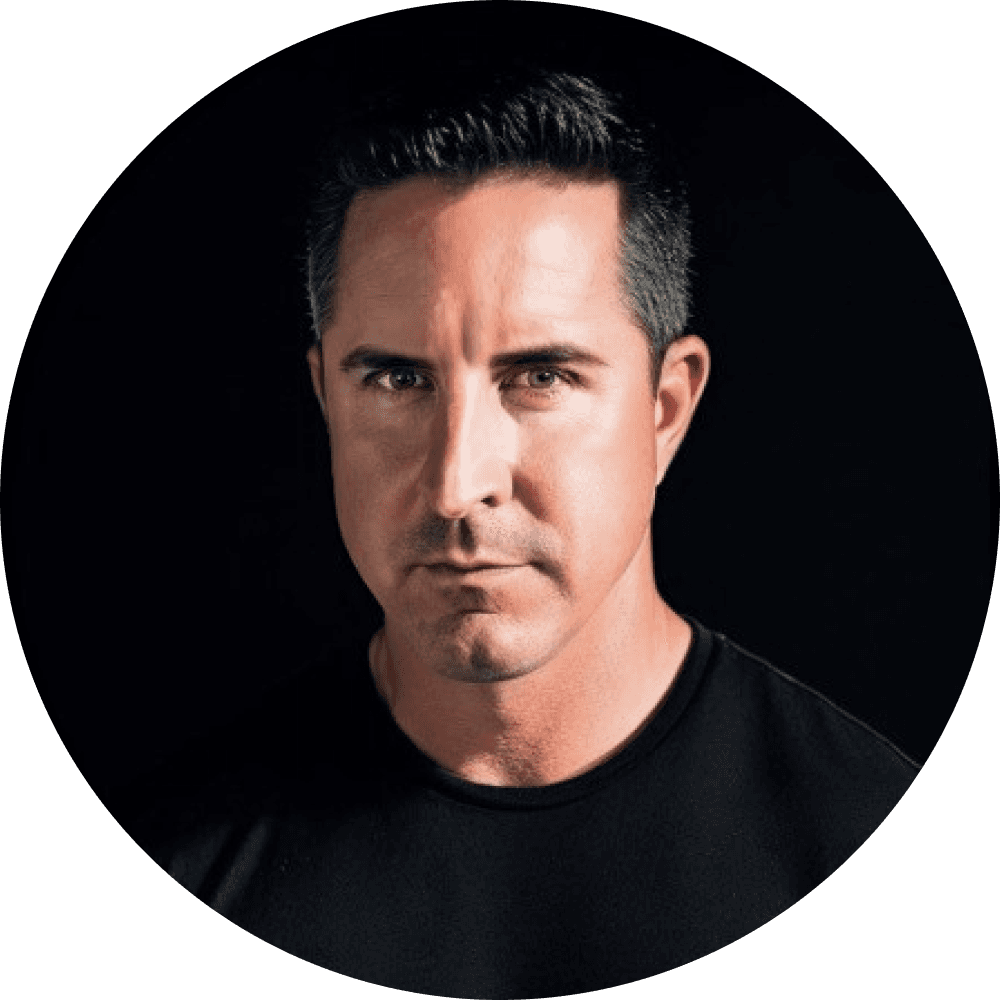
Written by · May 26, 2026
Donny Smith · ECD, Founder, Bttr.
Over the past 15 years, he has led creative teams and contributed to products used by millions of people worldwide, working with companies including Apple, Opendoor, JP Morgan, GE Aerospace, Pepsi, and Alterra Mountain Company.
LinkedInBttr. Field Brief
More like this in your inbox.
Monthly. One signal worth your time on AI Search Visibility, Brand Operating Systems, and the infrastructure buildout. No filler.