Framework · By Bttr.
The AI Visibility Stack. Seven layers. One framework. Built so a team can see what they own.
AI Search Visibility is not one thing · it is seven, layered. From the prompt set at the top (what you measure) to brand-search demand at the bottom (the foundation everything sits on), each layer is something a team owns and ships separately. The stack lets you see what you have, what is missing, and what compounds.
New to AI Search Visibility? Start with the definitional field guide →
The stack
From the prompt set down to the foundation.
Top of the stack = closest to the measurement surface, shortest feedback loop. Bottom of the stack = longest-running, hardest to fake, biggest compounding effect.
07
Measurement
Prompt set
The 50-200 queries you measure citation rate against. Versioned, durable, and matched to the buyer journey. Without a published prompt set you have no benchmark · you have a vibe.
Why this layer. The prompt set IS the SERP. Whatever questions you measure are the only questions you can prove you win.
06
Engine-specific tactics
Per-engine moves
ChatGPT Custom GPT inclusion, Perplexity Pages, Gemini AI Overview optimization, Claude tools mode prep. Each engine has moves the others do not reward.
Why this layer. Generic AI visibility playbooks underperform engine specific work. The four engines reward different things; the team that treats them as one engine leaves citation on the table.
05
Machine-readable surface
Schema + entity graph
Article, FAQPage, HowTo, Person, Organization, DefinedTerm schema. Cross-linked via @id so the engines extract a single entity graph, not isolated pages.
Why this layer. Every engine reads schema differently, but every engine reads it. This is the cheapest signal in absolute terms and the highest leverage relative to effort.
04
The cited surface
Pillar content
Canonical "What is X?", "How does Y work?", "X vs Y" pillar pages. 1,500-2,500 words. Authored under a named expert. Schema-marked. The pages that get cited.
Why this layer. Engines cite long form authoritative content. Sales pages get surfaced; pillar pages get cited. Without pillars the cluster collapses.
03
Authority signal
Named expertise
Person schema with sameAs to verified credentials, knowsAbout topic list, hasOccupation. Real people, real qualifications, real evidence base.
Why this layer. Across all four engines in 2026, named credentialed authorship was the single biggest individual lever. Especially load-bearing in regulated verticals.
02
Topical authority
Cluster architecture
Pillar + 5-8 supporting + comparison + glossary + FAQ · all cross linked. The topology signals to engines that the brand owns the topic.
Why this layer. Single-page pillars get cited occasionally. Clusters compound. Topical authority is the slow-moving moat.
01
The foundation
Brand-search demand
Real branded query volume on Google and Bing. Earned media, named mentions, inbound citations from authoritative sources. The signal underneath all the others.
Why this layer. Every engine treats brand-search demand as an indirect trust signal. A brand nobody is searching for is a brand the engines hesitate to cite.
How to read the stack
Each layer has a time horizon.
Layer 01 is the longest-running. Brand-search demand takes years to build and compounds for years after. It is the foundation everything else sits on.
Layers 02-05 are the middle game. Pillar content, named expertise, schema, and cluster architecture all compound over months. This is the engineering of the stack.
Layer 06 is the active surface. Per-engine moves change as engines update · what worked for ChatGPT in Q1 may not work in Q3. This layer needs continuous attention.
Layer 07 is the measurement. The prompt set defines the win. A published, versioned prompt set is the difference between a benchmark and a wish.
Frequently asked
The AI Visibility Stack, common questions.
What is the AI Visibility Stack?
Bttr.'s 7 layer framework for thinking about AI Search Visibility. From the prompt set at the top (what you measure) down to brand-search demand at the bottom (the foundation), each layer is something a team owns and ships separately. The stack lets a brand see what they're actually working on, what's missing, and what compounds.
Is the AI Visibility Stack the same as GEO?
GEO (Generative Engine Optimization) is one slice of the stack · primarily Layer 06 (Per-engine moves) and parts of Layer 05 (Schema). The full AI Visibility Stack is broader: it includes the measurement layer above and the brand-search foundation below, both of which most GEO discussion underweights.
Which layer should I start with?
Most brands have Layer 01 (brand-search demand) by accident, missing Layers 04-05 (pillar content + schema), and have not built Layer 07 (a published prompt set). The fastest leverage is usually Layer 04+05 · ship a few authoritative pillar pages with full schema, then immediately add Layer 07 so you can measure if it worked.
How long until the stack compounds?
Layer 06 (per engine moves) lands within weeks. Layer 04-05 (pillar + schema) compounds over 2-3 months. Layer 02-03 (cluster + named expertise) compounds over 3-9 months. Layer 01 (brand-search demand) is years. Different layers, different time horizons · but they all reward consistency.
Where does the Citation Index sit in the stack?
The Citation Index lives at Layer 07 (Prompt set / Measurement). It's the public benchmark of what Bttr. measures and what the methodology is. Every claim in the rest of the stack ties back to the measurement at Layer 07.
Is this just SEO with extra layers?
No. Layer 06 (per engine moves) and Layer 07 (prompt set / measurement) have no equivalent in classic SEO. The signals overlap most at Layer 02-05, where authoritative pillar content, schema, named expertise, and cluster architecture serve both SERPs and AI engines. But the stack as a whole is built for the AI citation surface, not the link-graph surface.
Use the stack
Layer 07 · Measurement
The Bttr. Citation Index
The published prompt set and citation rate Bttr. measures against itself, with the methodology fully public.
The 2026 read
State of AI Visibility 2026
Bttr.'s annual field report on how the four engines actually cite brands in 2026, with per vertical state.
Engagement
AI Search Visibility
Full engagement: audit, pillar content, schema, named expertise, per engine moves, weekly measurement.
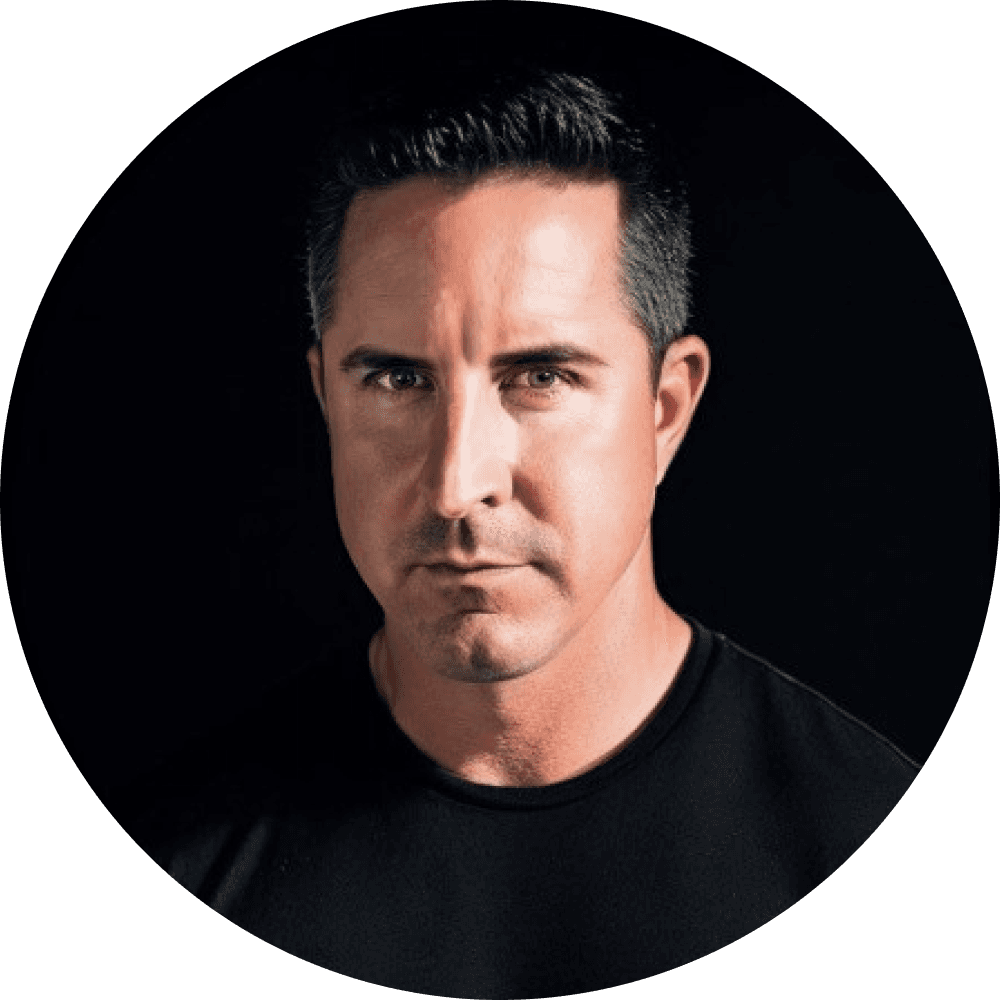
Written by · May 23, 2026
Donny Smith · ECD, Founder, Bttr.
Over the past 15 years, he has led creative teams and contributed to products used by millions of people worldwide, working with companies including Apple, Opendoor, JP Morgan, GE Aerospace, Pepsi, and Alterra Mountain Company.
LinkedInBttr. Field Brief
More frameworks like this in your inbox.
Monthly. One signal worth your time on AI Search Visibility, Brand Operating Systems, and the infrastructure buildout. No filler.