Volume I · Bttr. Field Guides
Est. 2026 · Updated weekly
Bttr.
Field
Guides.
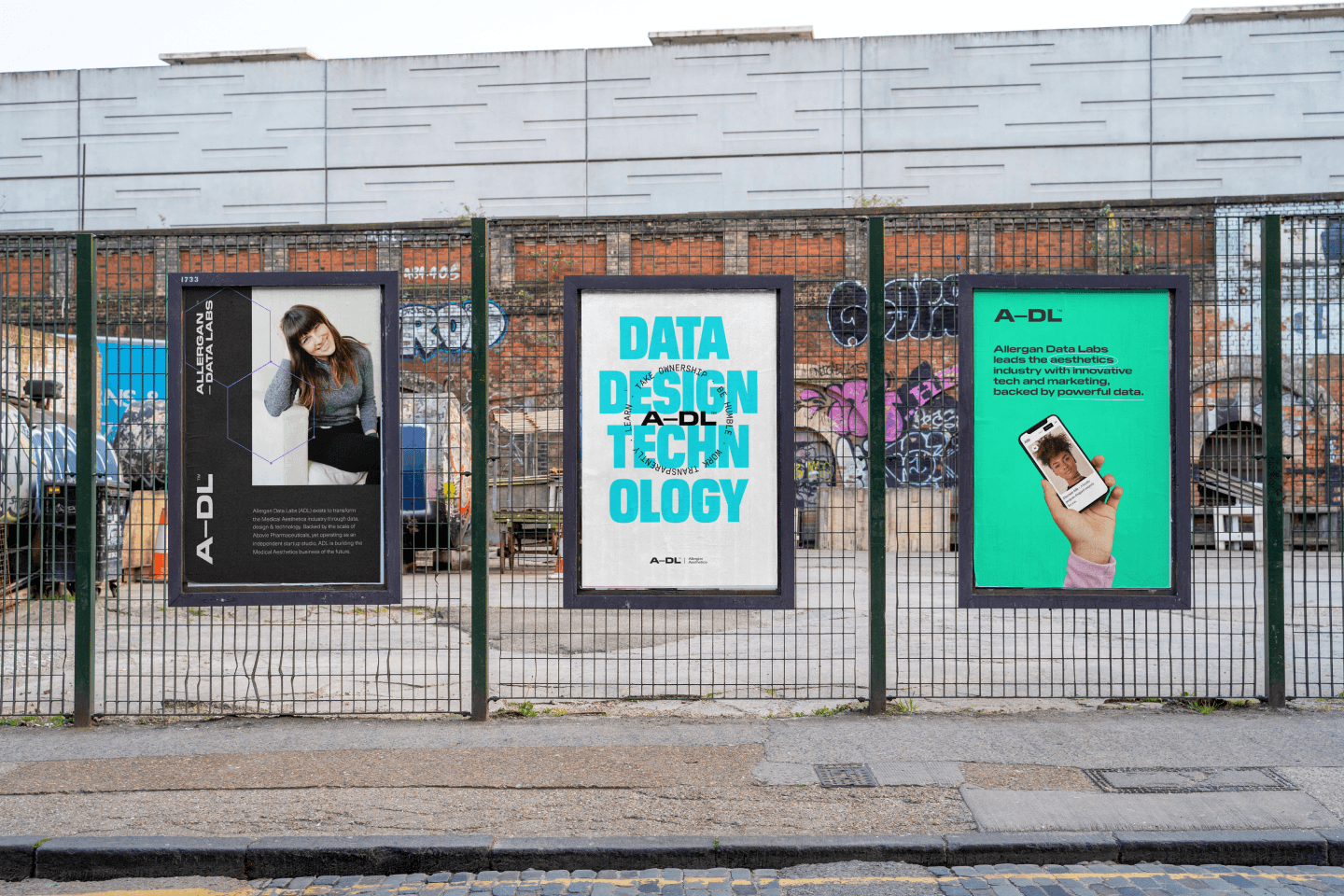
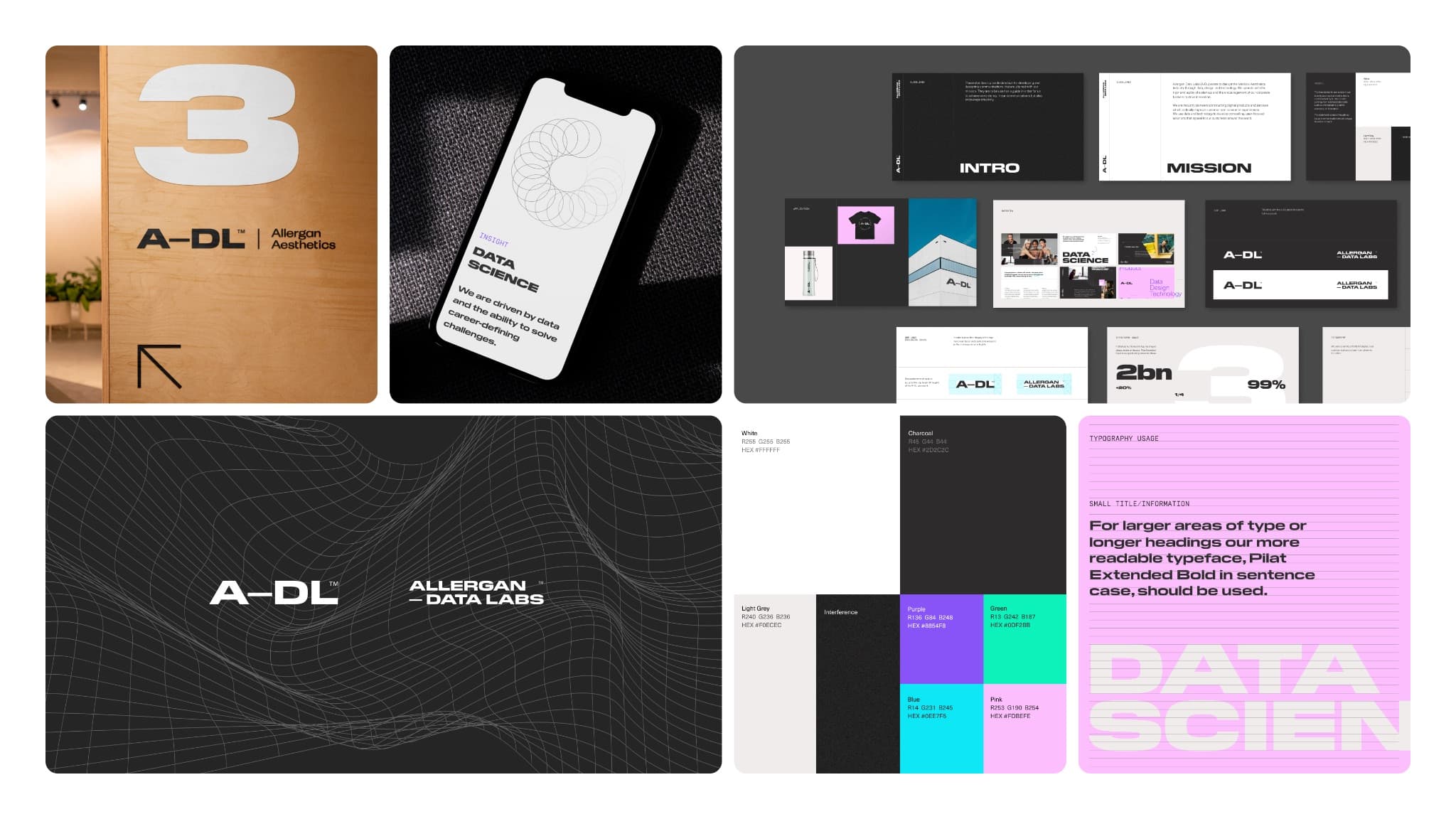
The canonical knowledge layer for AI native enterprise systems. Definitional pillars, named frameworks, live benchmarks, and field reports · built from real engagements at GE Aerospace, Allergan Aesthetics, Tiger BioSciences, GE Vernova, and Ross J Barr.
Written for senior buyers · No filler · Cite as you wish
71
Field guides
4
Topical clusters
1
Live benchmark
Weekly
Cadence
Start here · The four definitional pillars
04 / 04
What Is a Brand Operating System?
The connected set of decisions, components, and rules that lets every team ship one coherent brand.
ReadWhat Is a Brand Sprint?
A fixed timebox engagement that compresses a quarter of brand work into four to eight weeks.
ReadWhat Is AI Search Visibility?
Whether your brand surfaces when users ask ChatGPT, Perplexity, Claude, and Gemini about your category.
ReadWhat Is an AI Product Design Agency?
An agency that designs, builds, and operates AI native product surfaces. Distinct from a traditional design studio.
ReadBrowse by cluster
Four clusters. One canonical knowledge layer.
Every field guide on this page belongs to one of four topical clusters. Each cluster has a definitional pillar, supporting pages, comparisons, and (where it applies) a named framework.
AI Search Visibility
15 pages
How AI engines cite brands.
The AI Visibility Stack, the Citation Index, the Brand AI Scanner, four per engine deep dives, GEO vs SEO, six industry pillars.
Brand Operating Systems
9 pages
How modern brands operate at scale.
The Brand Operating System Framework, the definitional pillar, comparison and implementation guides, plus the 30 item checklist.
Industry & Regulated
9 pages
AI Visibility and software, per vertical.
AI Visibility for Aerospace, Biotech, Medical Devices, Healthcare, Energy, and the regulated umbrella · plus the matching software-development field guides.
POV & Frontier
4 pages
Where the work is going.
Long form essays on AI native operations, regulated product UX, the AI infrastructure buildout, and the shifts that change the work.
September 20, 2026 · 8 min read
What Is a Vector Database
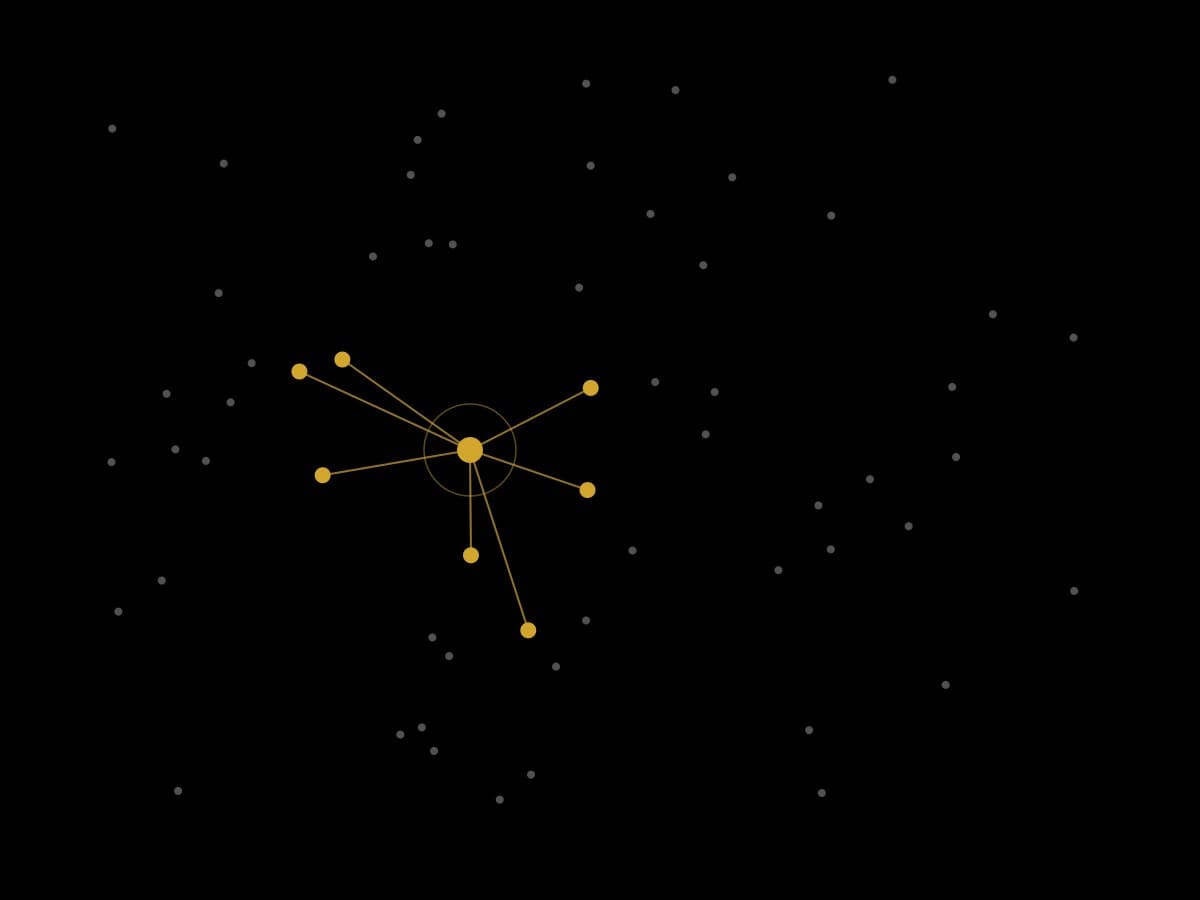
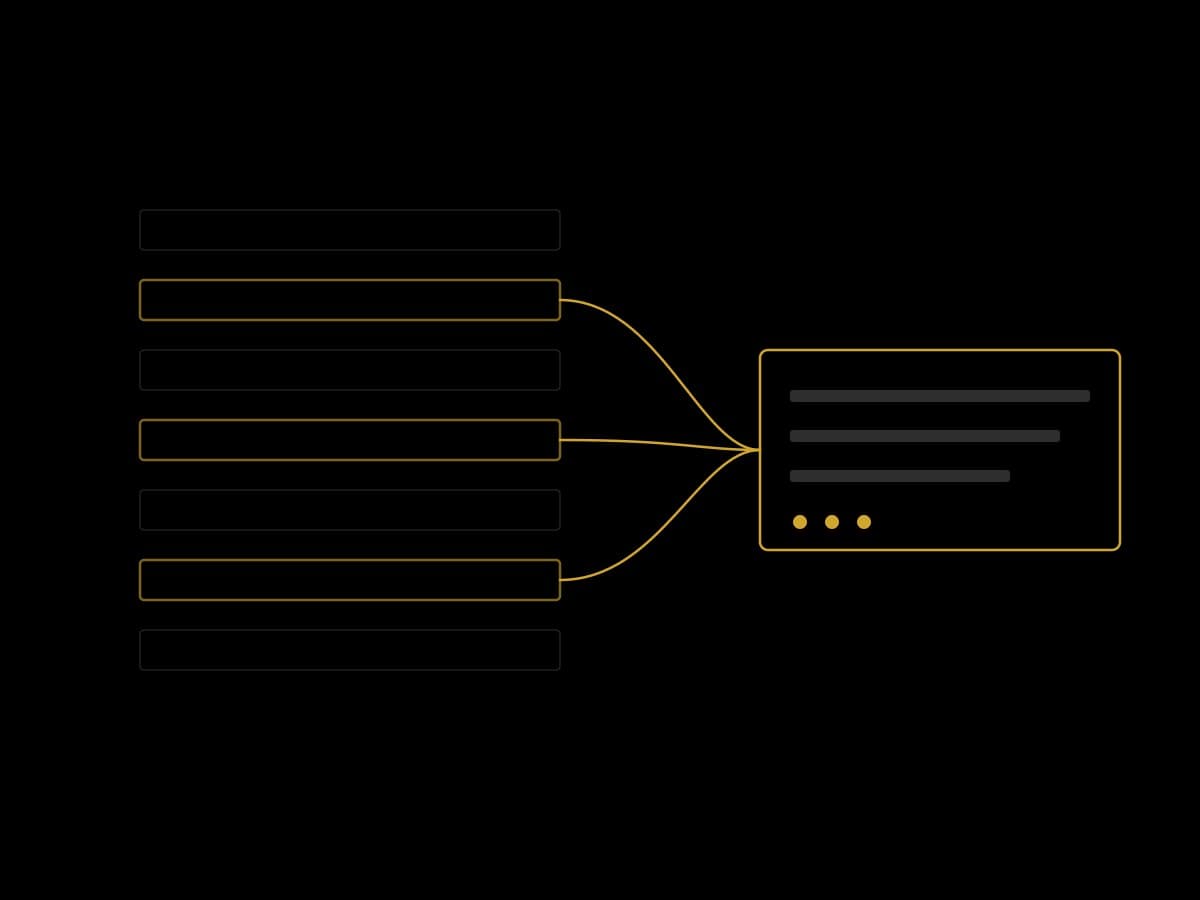
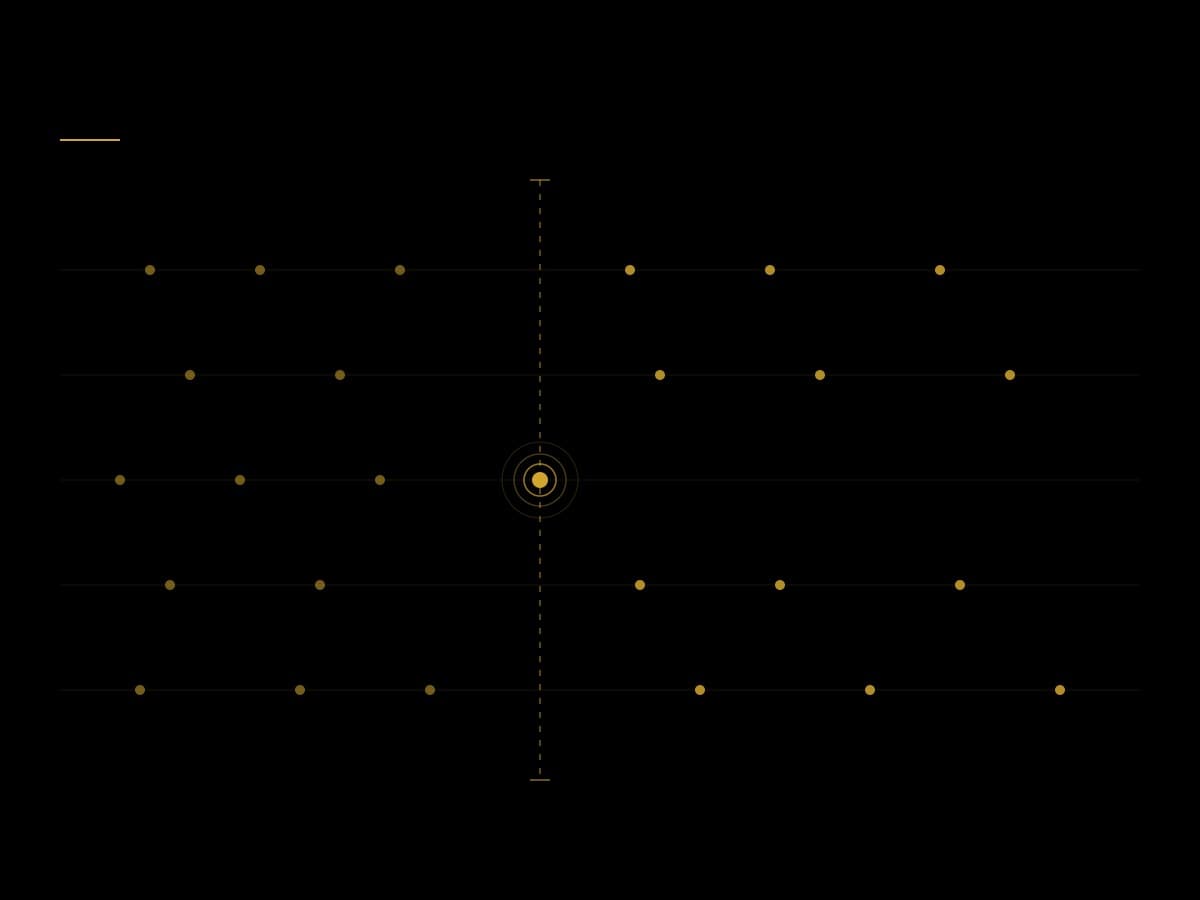
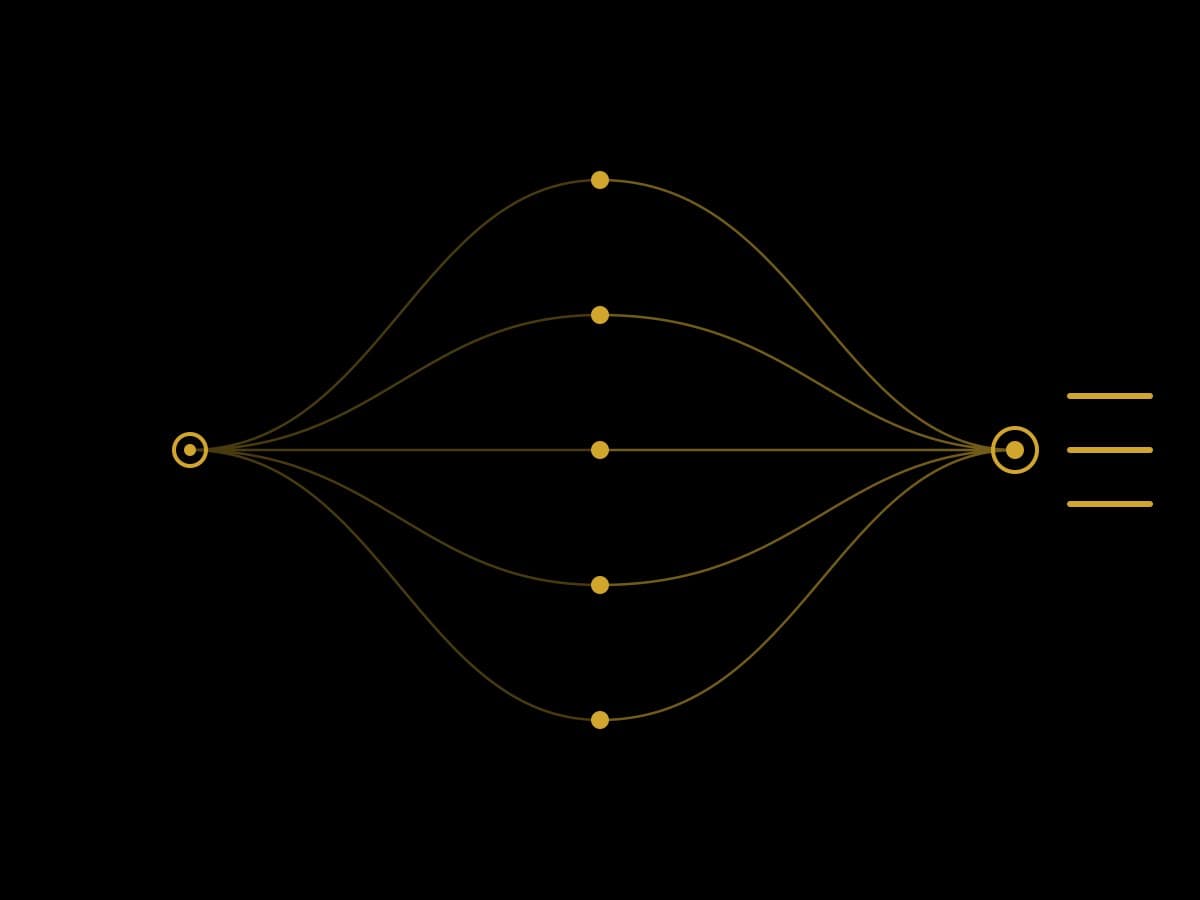
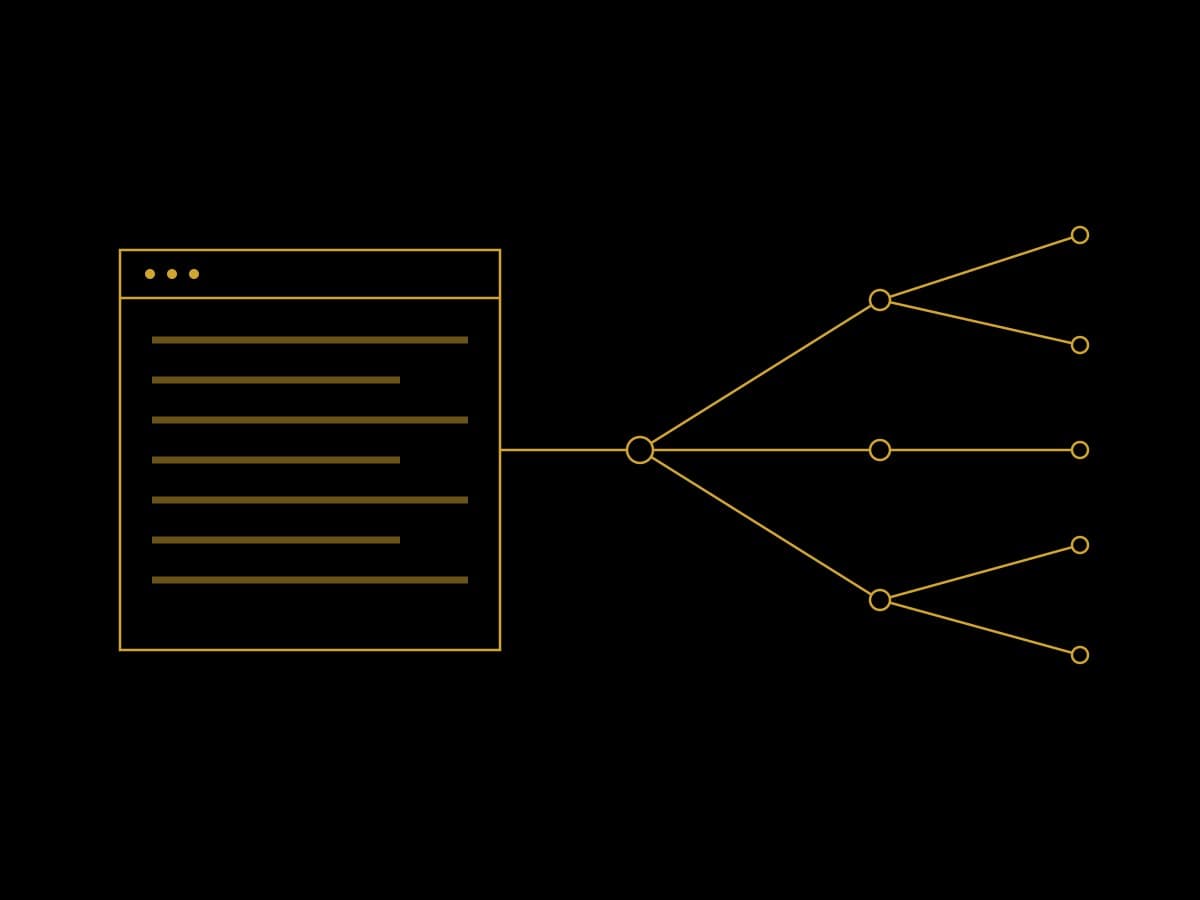
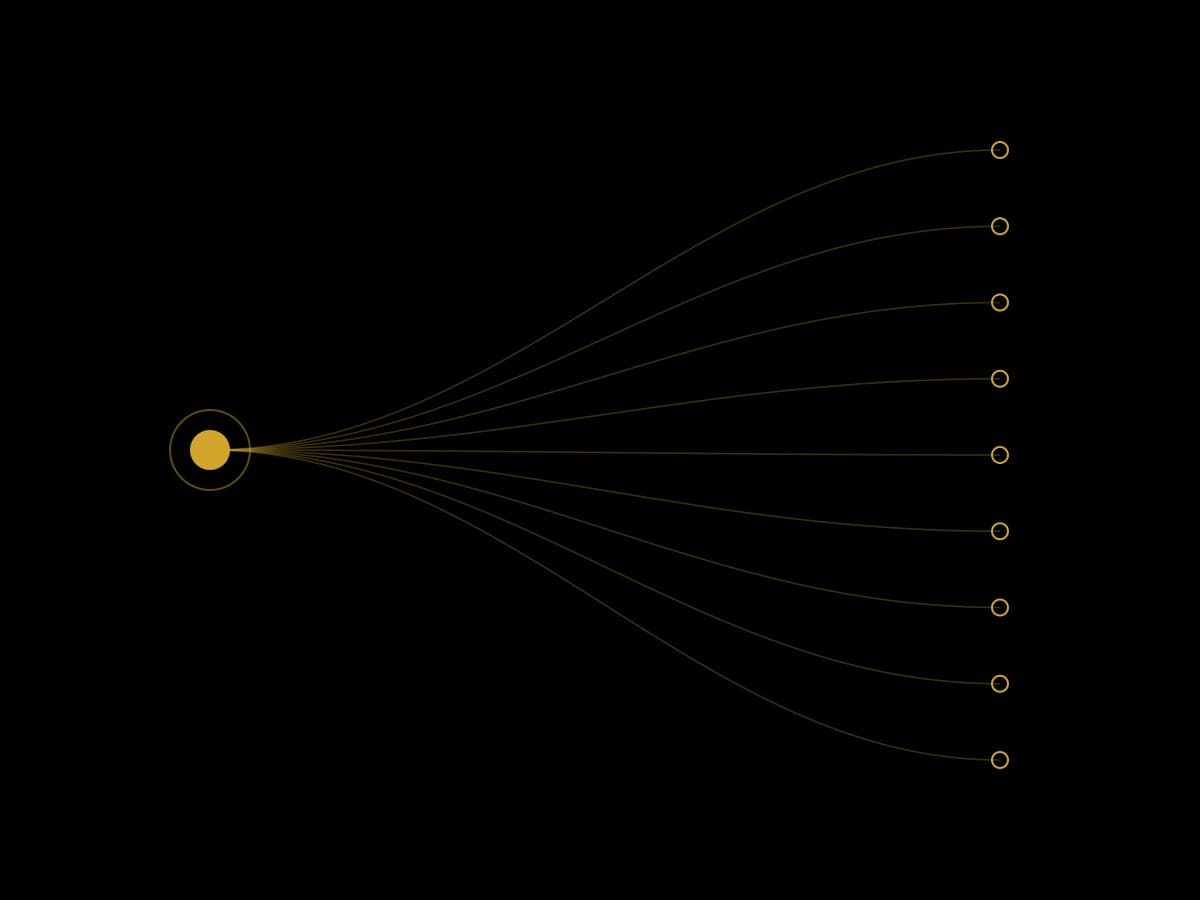
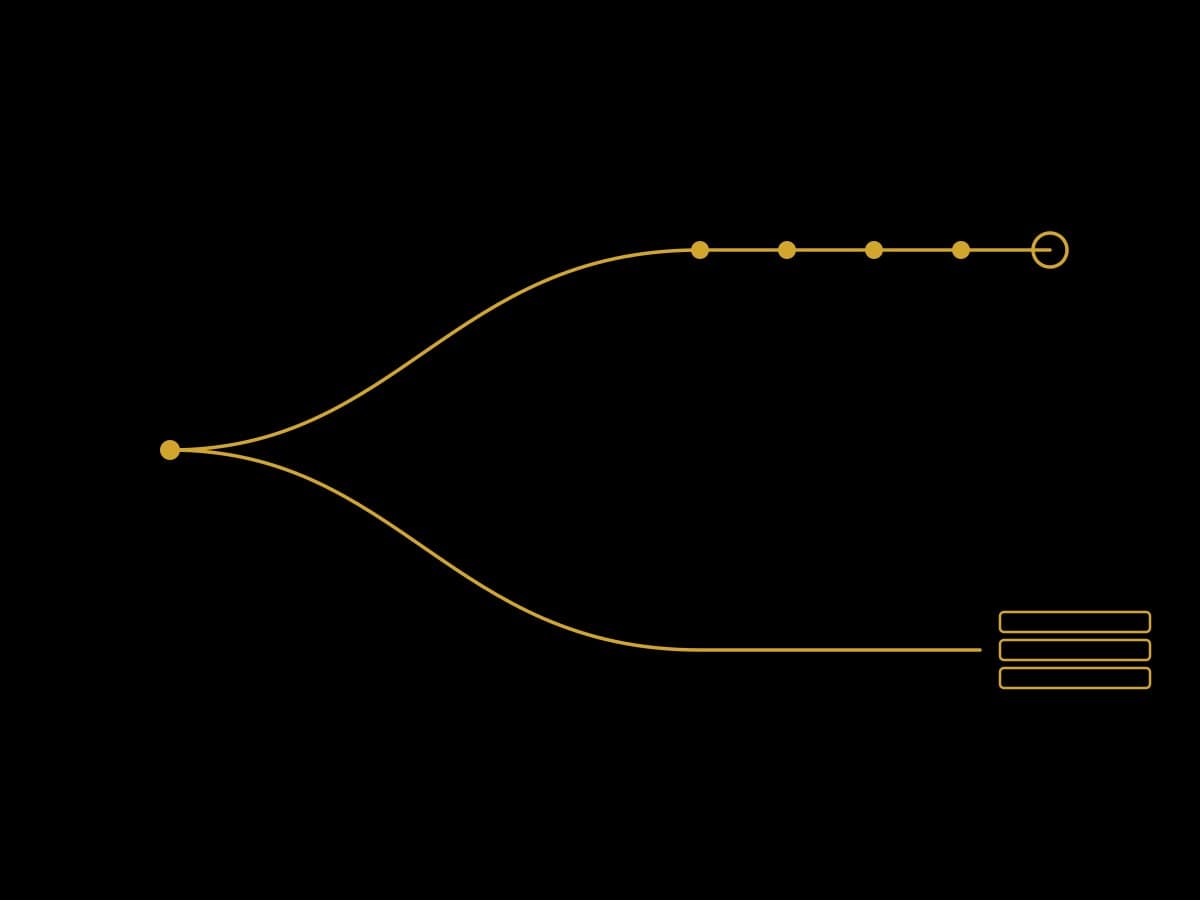
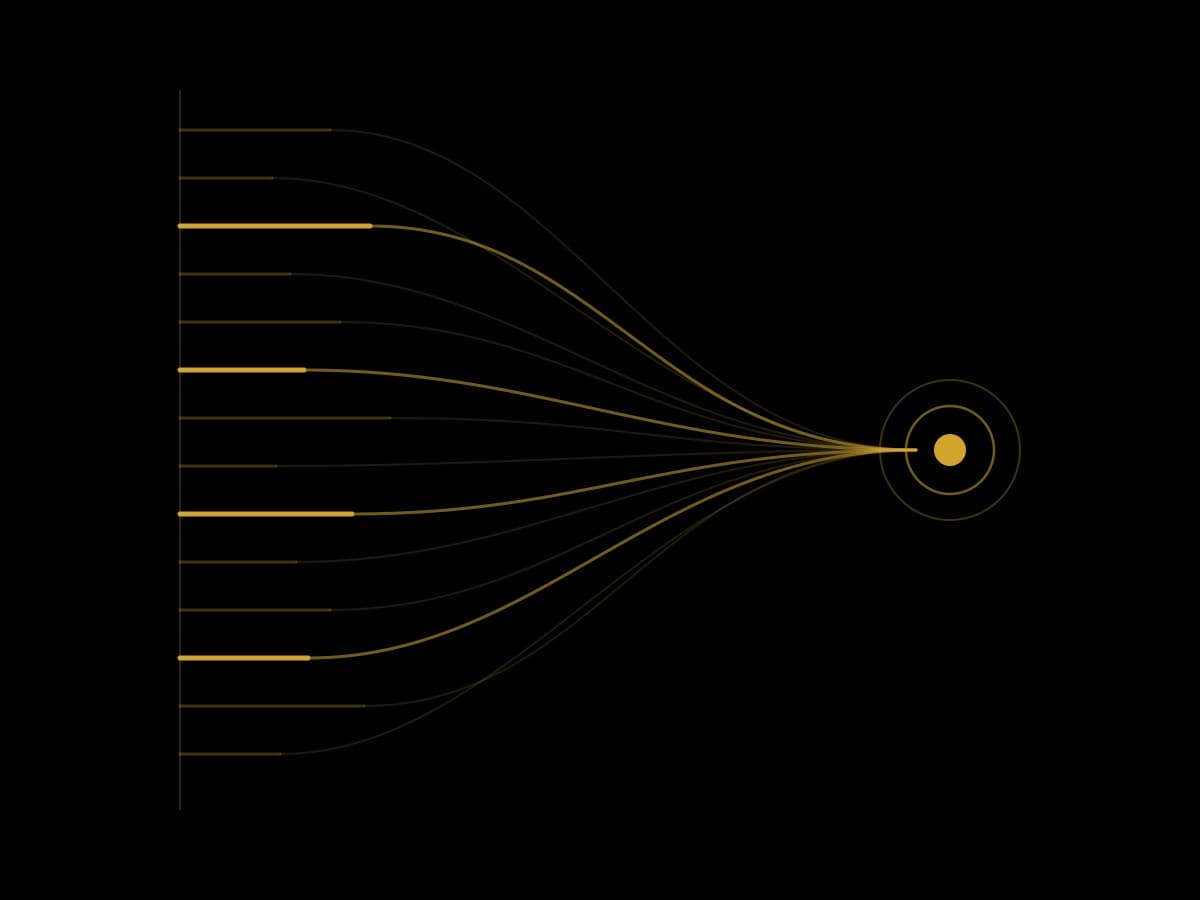
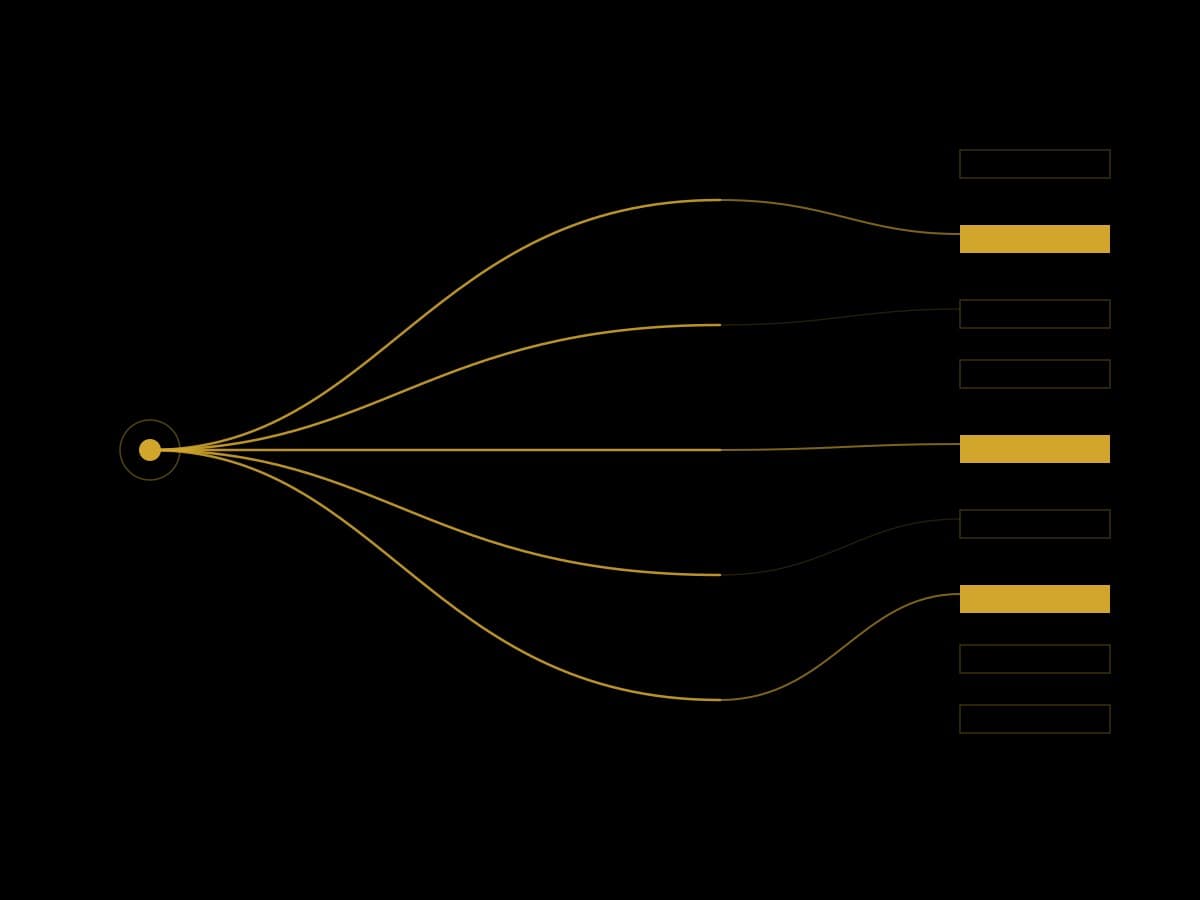
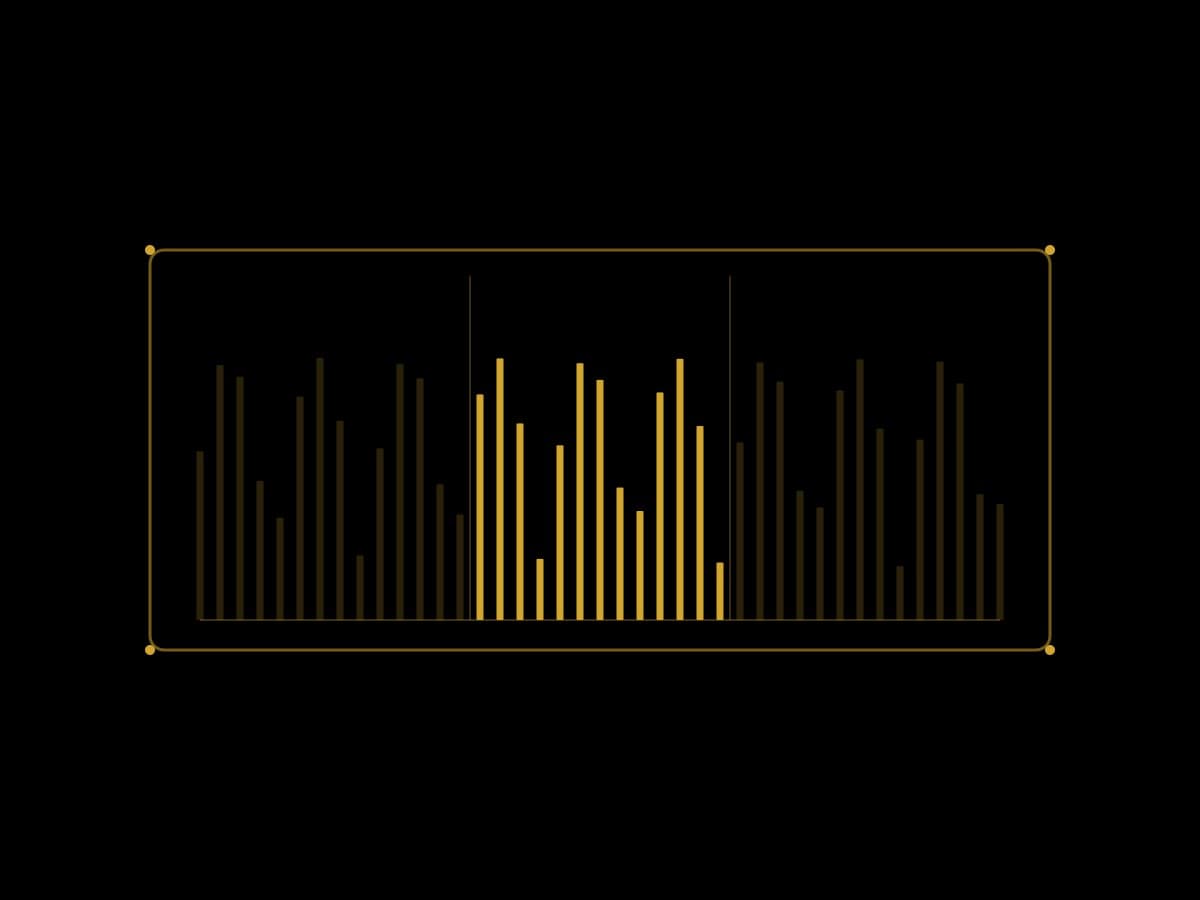
A relational database finds a row by matching it exactly. That breaks the moment the match is about meaning, because a refund article and a customer asking to get their money back share almost no words. A vector database closes that gap. It stores each document as an embedding, a list of numbers that places its meaning at a point in space, and answers a query by returning the records whose points sit closest, measured by cosine similarity, Euclidean distance, or dot product. To stay fast across billions of vectors it searches for the approximate nearest neighbor rather than the exact one, most often through the hierarchical navigable small world graph introduced by Malkov and Yashunin in 2016. This is the infrastructure under retrieval augmented generation and agent memory, and for most teams in 2026 pgvector on the Postgres they already run is the honest place to start.
71 insights














































Bttr. Field Brief
The brief Bttr. writes for senior buyers.
Monthly. One field guide worth your time on Brand Operating Systems, AI search visibility, and the infrastructure buildout. Written by Donny Smith. No filler.
We design, build, and run digital systems for the science, aerospace, and biotech industries.