Field Guide · Perplexity
How Perplexity Chooses Sources. The most citation transparent engine. Every answer comes with a numbered source list · and the signals that put you in it.
Perplexity is the most transparent engine · every answer surfaces a numbered citation block. That transparency is also the playbook: the signals that earn a citation slot are observable and movable. This is what we observe in measurement.
See live citation rates across all four engines at the Bttr. Citation Index →
Citation signals
The signals that move Perplexity.
Each engine weights signals differently. The list below ranks the ones that actually move citation rate for Perplexity, with the relative weight we observe in measurement.
High weight
Pillar content depth
Perplexity heavily weights authoritative, in depth pillar pages. A 2,500-word definitional page typically outranks 12 thin marketing pages on the same topic.
High weight
Schema and entity markup
Article, FAQPage, HowTo, Person, Organization schema gives Perplexity unambiguous entities to cite. Of all four engines, Perplexity rewards schema most cleanly.
High weight
Freshness
Daily-to-weekly. Perplexity surfaces recent content fast · first to move when new authoritative pillar pages publish.
High weight
Named expertise (Person schema)
Author Person schema with sameAs, knowsAbout, hasOccupation lifts citation rate measurably. Perplexity prefers cited sources with named, identifiable experts behind them.
High weight
Perplexity Pages
Perplexity Pages (Perplexity's own publishing surface) carry implicit citation weight. Topical authority on a Perplexity Page lifts citation for the underlying brand pages it links from.
Medium weight
Topical authority cluster
Cross-linked pillar + supporting + comparison + glossary cluster on a topic earns citation more reliably than a single page.
Medium weight
Brand-search demand
Real branded query volume signals authority. Perplexity uses this as an indirect trust signal.
Low weight
Backlinks
Less weighted than schema or authority signals. Useful when from authoritative sources, mostly noise otherwise.
Retrieval mode
Live retrieval, every time.
Unlike ChatGPT (which mixes training cycle and SearchGPT), Perplexity is always live retrieval. Every answer fetches sources at query time, ranks them, and synthesizes the answer with numbered citations. This makes citation behavior the easiest to measure and the easiest to influence.
The citation block is the SERP. Each numbered source is a top N ranking slot. Earning a slot earns the same kind of visibility as a top 3 Google ranking · except the click-through dynamics are different (most users read the answer without clicking).
The implication for AI Search Visibility: Perplexity is the most actionable engine to optimize for. What you ship today shows up in the citation block within days. Other engines have longer feedback loops; Perplexity does not.
What moves citation rate for Perplexity.
- Schema-anchored pillar content. The most leveraged move. Article + FAQPage + HowTo + Person + Org schema on a 1,500-2,500 word pillar page. Perplexity reads it, cites it, ranks it.
- Perplexity Pages. Bttr. (or your brand) publishing Perplexity Pages on topics where you have authority. The Page itself becomes a citation surface, and it lifts citation for linked brand pages.
- Cross-linked clusters. Pillar + 5+ supporting articles + comparison + glossary + FAQ · all cross linked. The cluster signals topical authority and citation compounds.
- Named expert authorship. Person schema with sameAs (LinkedIn, GitHub, Twitter) + knowsAbout (full topic list) + hasOccupation. Perplexity prefers cited sources with identifiable authors.
What does not work.
- Thin pages. Sub-800-word pages rarely earn citation. Perplexity prefers depth.
- Marketing-only pages. Sales pages without definitional content get surfaced rarely. The cited sources are educational, not transactional.
- JavaScript-rendered content. Content that requires JS execution to read may not be reliably indexed. SSR + structured data wins.
Frequently asked
Perplexity, common questions.
Which answer engine is the most transparent about where its information comes from?
Perplexity. Every answer surfaces a numbered citation block by default. The user always sees the sources cited, and the rank order is visible. ChatGPT, Claude, and Gemini do not always show citations or only show them in specific routing modes.
How does Perplexity decide which sources to cite?
Perplexity runs live retrieval on every answer. It fetches sources at query time, ranks them, and synthesizes the answer with numbered citations. The signals weighted highest are pillar content depth, schema and entity markup, freshness, named expertise through Person schema, and Perplexity Pages. Backlinks weigh less. Source: Bttr. Citation Index measurement set, May 23, 2026.
How fast does Perplexity reflect new content?
Daily-to-weekly. New authoritative content earns citation within days if the schema and depth are right. Of all four engines, Perplexity is the fastest feedback loop.
Are Perplexity Pages worth publishing?
Yes, for categories where you have real authority. The Page is its own citation surface, and it lifts citation for the brand pages it links from.
How does schema affect Perplexity citation?
Strongly. Article, FAQPage, HowTo, Person, Organization schema gives Perplexity unambiguous entities to extract and cite. Of all four engines, Perplexity is the one where schema lift is most measurable.
What is the right depth for a pillar page targeting Perplexity?
1,500-2,500 words is the sweet spot. Longer than that risks losing focus; shorter than that loses depth signal. The full Bttr. pillar pages on this site sit in that range.
The other engines
Read the matching deep dives.
How Perplexity chooses sources is one engine inside Bttr.'s AI Search Visibility practice · tracking and improving citations across ChatGPT, Perplexity, Claude, and Gemini.
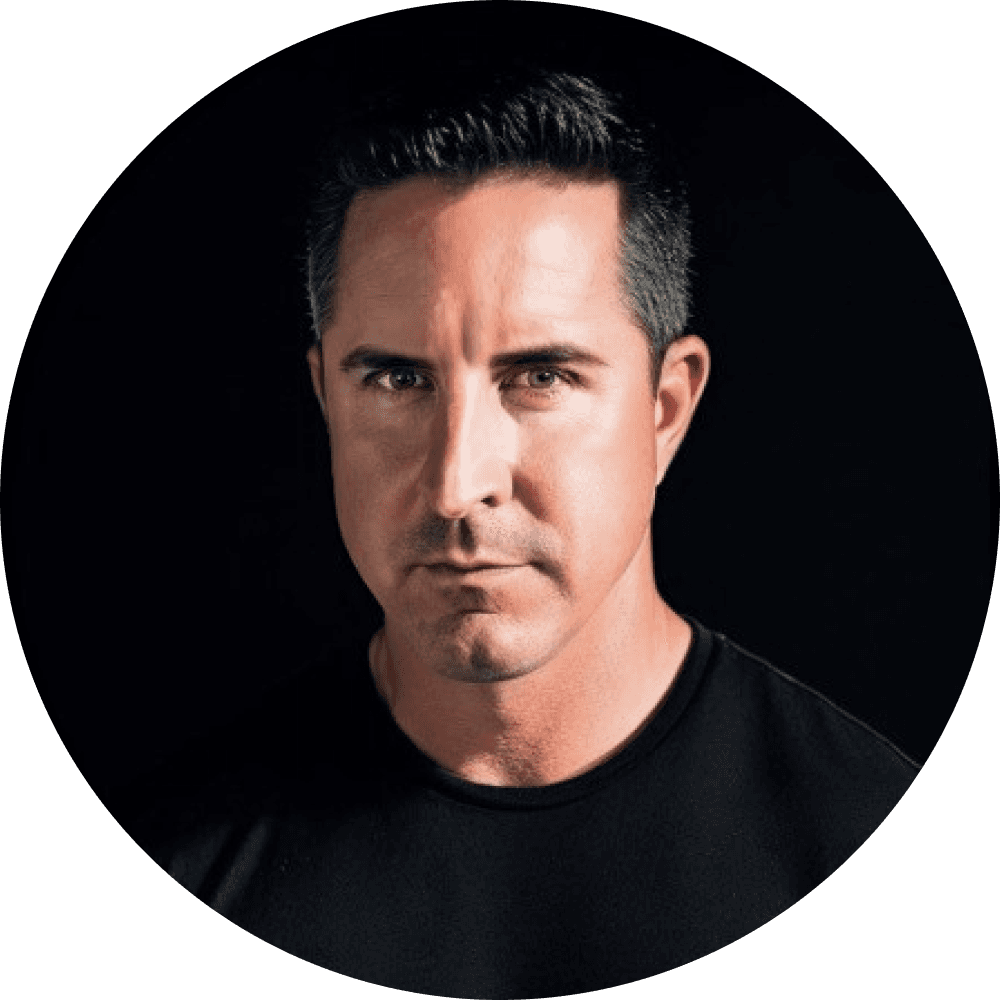
Written by · May 23, 2026
Donny Smith · ECD, Founder, Bttr.
Over the past 15 years, he has led creative teams and contributed to products used by millions of people worldwide, working with companies including Apple, Opendoor, JP Morgan, GE Aerospace, Pepsi, and Alterra Mountain Company.
LinkedInBttr. Field Brief
More on Perplexity and the other three engines.
Monthly. One signal worth your time on Brand Operating Systems, AI search visibility, and the infrastructure buildout. No filler.