Field Guide · ChatGPT
How ChatGPT Chooses Sources. The OpenAI citation model: SearchGPT live retrieval, training cycle answers, and the signals that move both.
ChatGPT routes queries down two paths: live retrieval (SearchGPT and the bing-backed browse) or training cycle answers (the model itself). Citation behavior differs sharply between them. This is what we observe in measurement.
See live citation rates across all four engines at the Bttr. Citation Index →
Citation signals
The signals that move ChatGPT.
Each engine weights signals differently. The list below ranks the ones that actually move citation rate for ChatGPT, with the relative weight we observe in measurement.
High weight
Authoritative pillar pages
In-depth, schema marked, named-expert authored content. SearchGPT and the training corpus both reward authority depth over keyword surface.
High weight
Brand search demand
Branded query volume on Google and Bing feeds the corpus. Companies with strong brand-search demand earn citation faster across both retrieval modes.
High weight
Schema and structured data
Article, FAQPage, HowTo, Person, Organization markup. ChatGPT extracts entities from structured data when synthesizing answers.
Medium weight
Freshness
SearchGPT routes prioritize recent content for time-sensitive queries. Training cycles lag · content needs to be present at the next training cutoff to compound.
Medium weight
Citations from authoritative sources
Inbound citations from sources the model already trusts (news, wikis, .edu, .gov) lift training cycle weight measurably.
Medium weight
Custom GPT inclusion
Inclusion in popular Custom GPTs creates a parallel citation path. Especially valuable for B2B and procurement-focused conversations.
Low weight
Image quality and consistency
Image embeddings influence multimodal answers more than text-only ones. Still a secondary signal vs. authority and freshness.
Low weight
Backlink graph
Less weighted than in Google ranking, but not zero. Authoritative inbound links still help indirectly through brand-search lift.
Retrieval mode
Two citation paths, one model.
ChatGPT routes a query to either SearchGPT (live web retrieval, returns cited sources in real time) or the training cycle answer (the model's internal knowledge, no live citations). Which path fires depends on the query type and the user's plan tier. Branded queries, recent-event queries, and 'find me X' queries lean toward SearchGPT. Definitional, explanatory, and stable-knowledge queries lean toward training.
For SearchGPT, citation rate moves on the same signals that move SERP ranking · authority, schema, freshness, named expertise. For training cycle answers, citation moves on whether your entity is well represented in the training corpus, which compounds over months as content gets crawled, indexed, and cited elsewhere.
The implication for AI Search Visibility: ship for both paths. Authoritative pillar content with schema serves SearchGPT now. The same content accumulates training weight for future cycles.
What moves citation rate for ChatGPT.
- Definitional pillar pages. Canonical "What is X?" pages with full schema, named author, and depth. ChatGPT routes definitional queries through both SearchGPT and training, and both paths reward this format.
- Brand-authority chains. Mention + linked-from + cited-by chains across authoritative sources. ChatGPT trusts the chain more than any single signal.
- Custom GPT presence. Inclusion in popular Custom GPTs (especially in your category) creates a parallel citation surface that compounds independent of SearchGPT.
- Fresh, dated content. Recent publish dates lift SearchGPT routing. For training cycle answers, the cutoff matters more than the date.
What does not work.
- Keyword stuffing. ChatGPT extracts entities, not keywords. Stuffing reduces clarity of the entity signal and lowers citation rate.
- Thin pages with schema only. Schema reinforces depth · it doesn't substitute for it. A 200-word page with FAQPage schema gets less weight than an 1800-word page with no schema.
- Aggressive marketing copy. ChatGPT downweights pages that read like sales pages for definitional queries. Authority and restraint earn citation; aggressive copy repels it.
Frequently asked
ChatGPT, common questions.
Does ChatGPT use backlinks?
Less directly than Google. Backlinks contribute to brand-search demand and corpus inclusion, but ChatGPT extracts entities from content rather than ranking via link graph. Authoritative inbound links help indirectly.
How fast does ChatGPT update its citations?
SearchGPT-routed queries can reflect new content within days. Training-cycle answers lag by the model release cycle (currently several months). The same content serves both, but only SearchGPT reflects recent moves.
Does Custom GPT inclusion really matter?
For categories where popular Custom GPTs exist, yes. Inclusion creates a parallel citation path independent of the main SearchGPT layer, and the conversion intent is often higher (users are already in a category-specific workflow).
How is citation rate measured for ChatGPT?
Per the Bttr. Citation Index methodology: run the prompt set on ChatGPT (with browse enabled) and count cited sources. Bttr. publishes the prompt set and scoring rule openly.
Does paid OpenAI tier affect citation behavior?
Subtly. Higher tiers route more queries through SearchGPT vs training. The cited sources are the same; the routing is the difference.
The other engines
Read the matching deep dives.
How ChatGPT chooses sources is one engine inside Bttr.'s AI Search Visibility practice · tracking and improving citations across ChatGPT, Perplexity, Claude, and Gemini.
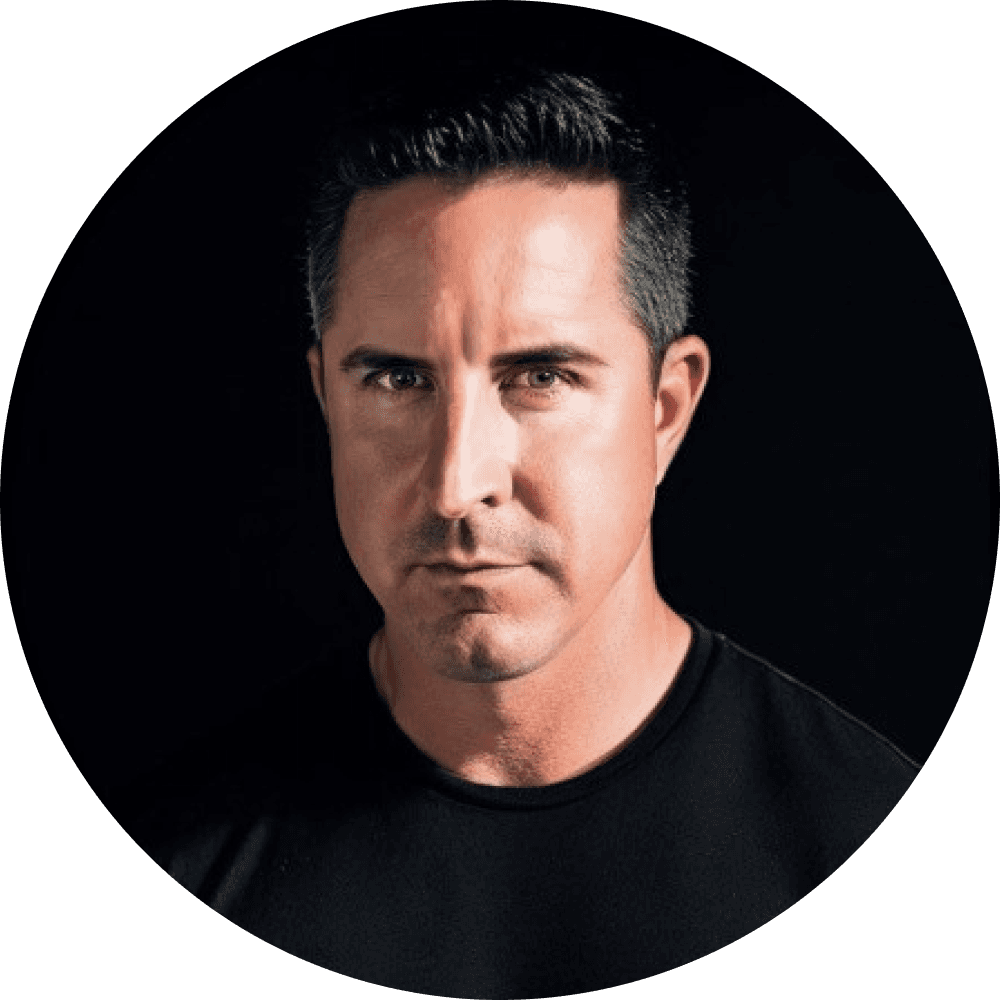
Written by · May 23, 2026
Donny Smith · ECD, Founder, Bttr.
Over the past 15 years, he has led creative teams and contributed to products used by millions of people worldwide, working with companies including Apple, Opendoor, JP Morgan, GE Aerospace, Pepsi, and Alterra Mountain Company.
LinkedInBttr. Field Brief
More on ChatGPT and the other three engines.
Monthly. One signal worth your time on Brand Operating Systems, AI search visibility, and the infrastructure buildout. No filler.