Field Guide · Claude
How Claude Chooses Sources. Anthropic's citation model: training-data presence, tools based retrieval, and the conservative defaults that reward rigor.
Claude routes most queries through training cycle knowledge by default, with tools based retrieval available when enabled. The model defaults conservative · refusing ambiguous claims, downweighting marketing copy, preferring named experts. The signals that earn citation are the ones that survive that default.
See live citation rates across all four engines at the Bttr. Citation Index →
Citation signals
The signals that move Claude.
Each engine weights signals differently. The list below ranks the ones that actually move citation rate for Claude, with the relative weight we observe in measurement.
High weight
Training-data presence
Claude's primary citation surface is what's in its training corpus. Long-running authoritative content compounds. New content earns weight at the next training cycle.
High weight
Named, credentialed expertise
Claude defaults conservative on medical, legal, financial, and regulated content. Named credentialed authors lift citation more than any other signal · Person schema with sameAs to verified credentials.
High weight
Tools-based citations
When Claude is given a web-search or document-retrieval tool, citation behavior shifts to live retrieval. The model picks the most authoritative source available · depth + schema + named expertise win.
Medium weight
Authority chain (corpus inclusion)
Inclusion in authoritative corpora (Wikipedia, .edu, named publications) gives Claude high confidence anchor points. Content that aligns with those anchors earns citation by adjacency.
Medium weight
Schema and entity markup
Schema helps Claude extract entities cleanly. Important but less measurable in isolation than for Perplexity.
Medium weight
Computer Use referrals
When Claude is operating via Computer Use (agentic browsing), it cites whatever it's reading at the moment. Real time presence on the user's screen matters.
Low weight
Brand-search demand
Claude is less directly influenced by search-engine signals than ChatGPT or Gemini. The training corpus matters more.
Low weight
Freshness
Claude lags on fresh content unless the tools-retrieval path is enabled. Recency is not a high signal in the default path.
Retrieval mode
Training-cycle default. Tools when invoked.
Claude routes most queries through its training corpus, with tools based retrieval (web search, document fetch) available when enabled by the application. For consumer Claude (Anthropic.com chat) the default is training. For Claude in business apps (via API + tools) the default is whatever tools the integrator provides.
The implication is that Claude lags fresh content by a training cycle for default-mode answers. The same content compounds over months as it enters the next training pass. For tools mode queries, citation behavior shifts toward depth + schema + named expertise (similar to Perplexity).
The Bttr. playbook for Claude: ship for both modes. Long-form authoritative pillar content with named-expert Person schema serves the training-corpus path. Schema-anchored content serves the tools-retrieval path.
What moves citation rate for Claude.
- Named credentialed authorship. The single biggest lever. Person schema with sameAs to verified credential surfaces (NPI for clinicians, accreditations, .edu profiles). Claude weights named expertise more than any other engine.
- Long-running authoritative pillar pages. Content that has been live, cited, and stable for 6+ months earns more training cycle weight than recent content. Compounding > recency for Claude.
- Adjacency to corpus anchors. Wikipedia entry, .edu citation, named publication mention. Claude trusts these anchors and earns citation by adjacency · being mentioned alongside them.
- Tools-mode optimization. For Claude-in-business-apps queries, the same schema + depth + named-expertise that wins Perplexity wins Claude.
What does not work.
- Aggressive medical/legal/financial claims. Claude defaults conservative on any regulated content. Overstated claims get refused, not cited.
- Anonymous or pseudonymous authorship. Claude cites named, credentialed experts disproportionately. Anonymous content rarely earns citation for default-mode answers.
- Fresh content for default-mode queries. Recency does not move citation rate for default-mode Claude. Plan for training cycle compounding instead.
Frequently asked
Claude, common questions.
Why is Claude harder to optimize for than Perplexity?
Claude defaults to training cycle answers, so feedback loops are months long. Perplexity is live retrieval, so feedback loops are days long. The same signals matter · depth, schema, named expertise · but the timing is different.
Does named clinician authorship really lift Claude citation?
Yes, more than for any other engine. Claude defaults conservative on healthcare, legal, and financial content; named credentialed authors are the strongest authority signal, and citation rate moves measurably when Person schema with sameAs to verified credentials is added.
How long until Claude reflects new authoritative content?
For default-mode queries: months, gated by Anthropic's training cycle releases. For tools mode queries (Claude in apps with web search): days, similar to Perplexity.
Does Computer Use affect citation behavior?
Yes, in real time. When Claude is browsing via Computer Use, it cites whatever is on screen. Presence on the user's active browsing context matters for those specific sessions.
How is citation rate measured for Claude?
Per the Bttr. Citation Index methodology: run the prompt set on Claude (both default-mode and tools mode where available) and count cited sources. Bttr. publishes the prompt set and scoring rule openly.
The other engines
Read the matching deep dives.
How Claude chooses sources is one engine inside Bttr.'s AI Search Visibility practice · tracking and improving citations across ChatGPT, Perplexity, Claude, and Gemini.
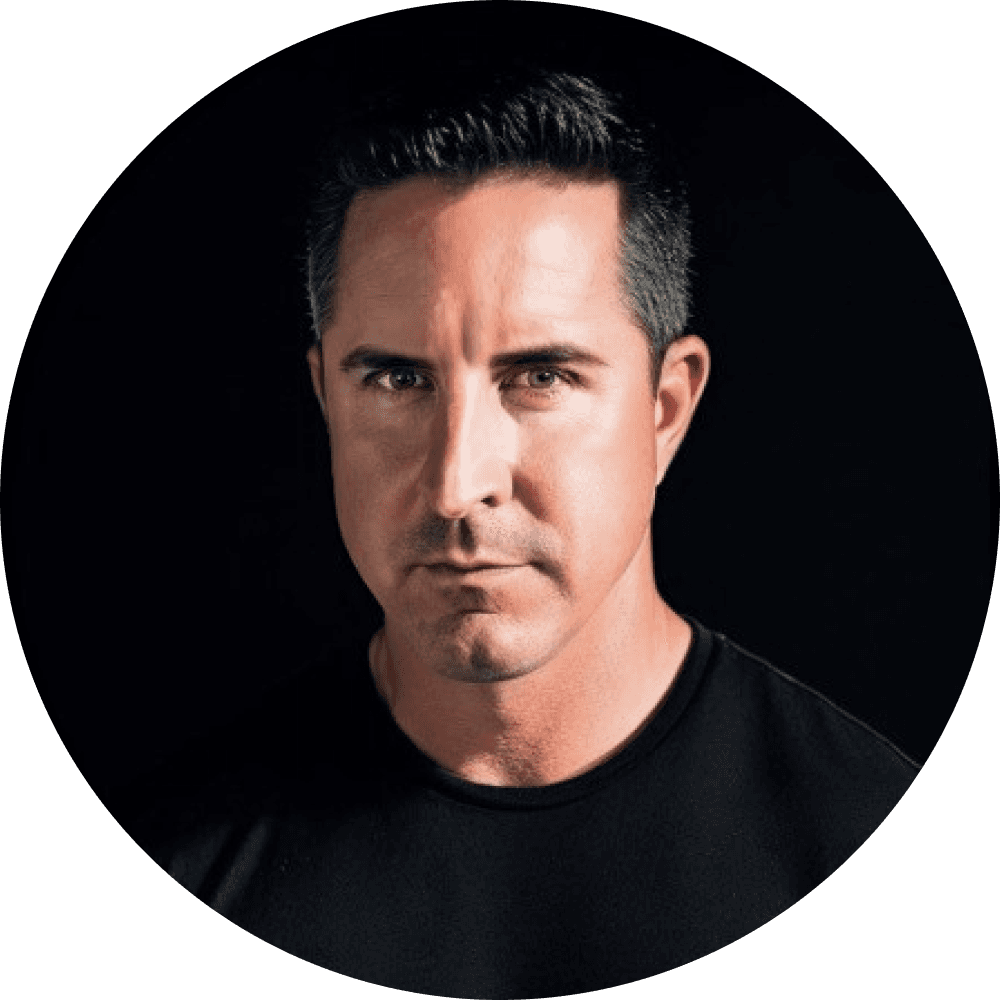
Written by · May 23, 2026
Donny Smith · ECD, Founder, Bttr.
Over the past 15 years, he has led creative teams and contributed to products used by millions of people worldwide, working with companies including Apple, Opendoor, JP Morgan, GE Aerospace, Pepsi, and Alterra Mountain Company.
LinkedInBttr. Field Brief
More on Claude and the other three engines.
Monthly. One signal worth your time on Brand Operating Systems, AI search visibility, and the infrastructure buildout. No filler.